Tigers hit new low in Zimbabwe amid World Cup fever

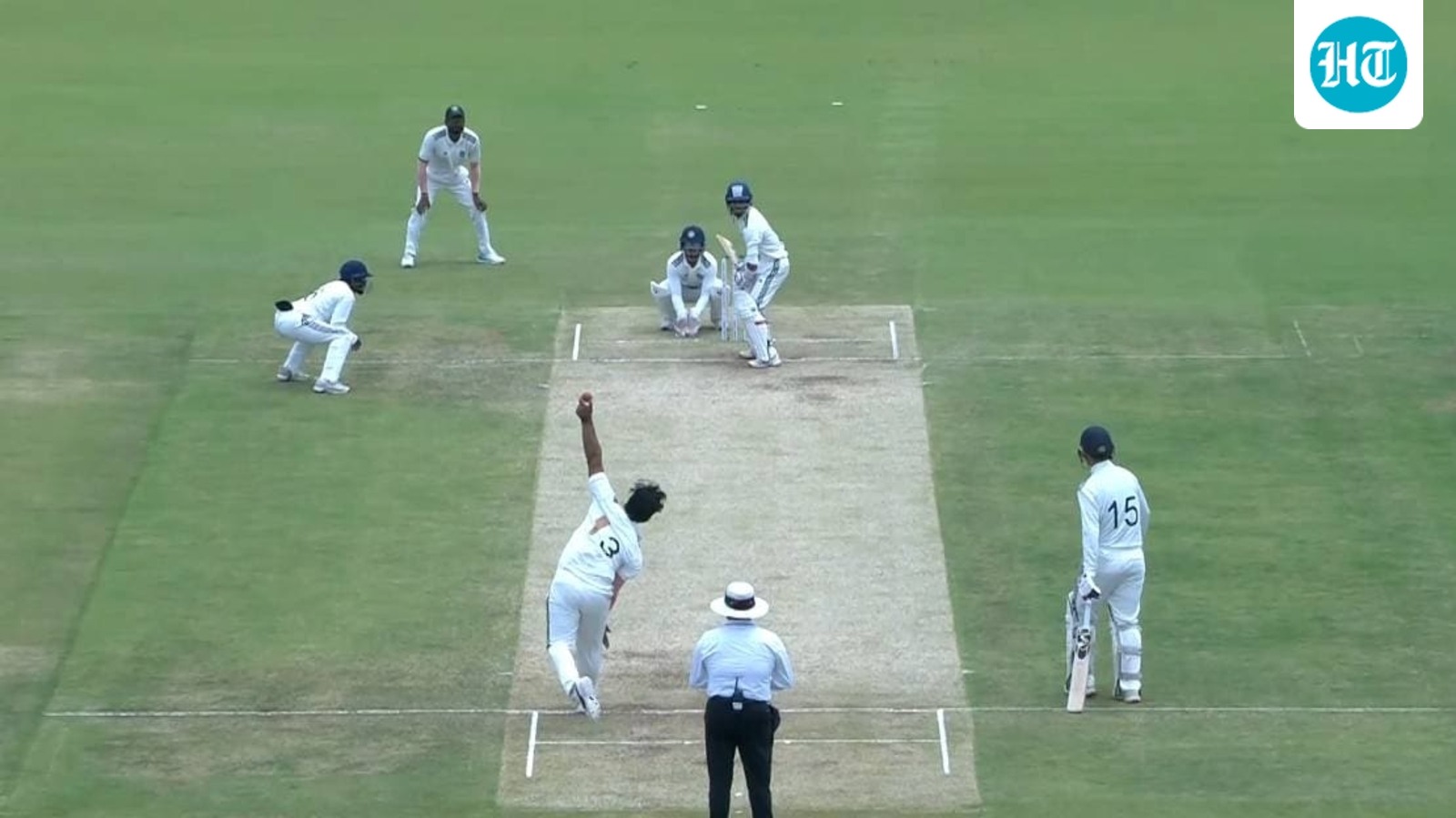
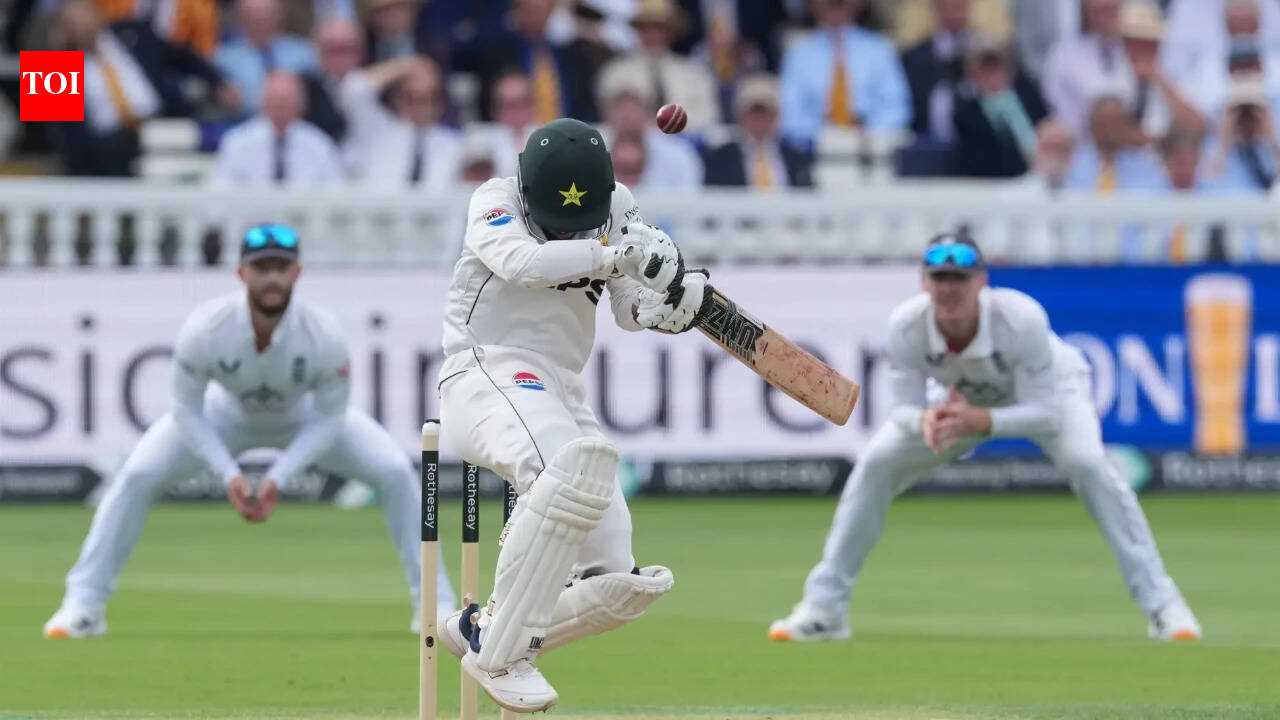
Sports-mad Bangladesh is currently gripped by FIFA World Cup 2026 fever. From bustling city streets to remote villages, football dominates conversations. Yet, amid the World Cup frenzy, one question still surfaces among cricket followers: What is happening in Zimbabwe?As expected, coverage of the Tigers' tour of Zimbabwe has failed to attract the attention it normally would, with football taking centre stage. But once the World Cup fever subsides, Bangladesh's cricket fraternity will inevitably seek answers to what exactly unfolded in Harare.Amid the football frenzy, Bangladesh cricket hit a nadir, sinking to one of its lowest points in recent years after suffering back-to-back Test and ODI series defeats to Zimbabwe.The setbacks are particularly alarming because they came in the two formats where Bangladesh had shown encouraging progress in recent months."I am not fully sure whether they were a bit complacent after going there following wins against some formidable opponents. Another important factor, I think, was that the conditions were a bit challenging and they could not figure out how to adjust to them," chief selector Habibul Bashar explained."But I think we have played enough cricket to cope with different conditions. Our batting has also not been consistent for a long time, and that was reflected again on this tour," he added.Before travelling to Zimbabwe, Bangladesh had won successive Test series against Ireland and Pakistan. In ODIs, they arrived on the back of four consecutive series victories over the West Indies, Pakistan, New Zealand and Australia, making them overwhelming favourites against a Zimbabwe side ranked below them.I am not fully sure whether they were a bit complacent after going there following wins against some formidable opponents. Another important factor, I think, was that the conditions were a bit challenging and they could not figure out how to adjust to them.Chief selector Habibul BasharInstead, the tour exposed familiar weaknesses that continue to haunt the Tigers.The one-off Test, viewed as an important dress rehearsal ahead of next month's historic tour of Australia, turned into a nightmare. Bangladesh were outplayed in every department and suffered an innings-and-85-run defeat inside three days, conceding their first Test series to Zimbabwe since 2011.If that result could be dismissed as an off day, what followed in the ODI series was even more concerning.Despite Nahid Rana producing career-best figures of 6 for 21 to bowl Zimbabwe out for just 141 in the opening ODI, Bangladesh somehow contrived to lose by 25 runs after a shocking batting collapse.The second ODI followed a similar script.Zimbabwe were struggling at 148 for six before Ben Curran and Brad Evans stitched together a crucial partnership to guide the hosts to 247 for six.Bangladesh appeared firmly in control during the chase as Tanzid Hasan Tamim and Tawhid Hridoy struck half-centuries. But once the pair departed, the innings unravelled yet again. Another batting collapse resulted in a 13-run defeat, handing Zimbabwe another series win.Perhaps even more surprising than the defeats themselves were the explanations offered afterwards.Following the first ODI, batting coach Mohammad Ashraful attributed the collapse to Harare Sports Club's large boundary dimensions and extra bounce. After the second match, opener Tanzid Hasan Tamim acknowledged that fading light became a talking point late in the chase but said the decision to continue rested with the on-field umpires.While those factors may have had some influence, they hardly explain Bangladesh's repeated batting failures throughout the tour.Across the three matches in Harare, Bangladesh's batting consistently let them down.In the Test, only Mominul Haque managed a fifty, scoring 60 in the first innings. No other batter crossed 40 as Bangladesh were dismissed for 140 and 185, while Zimbabwe piled up 410.The same pattern continued in the ODI series.In the first ODI, chasing just 142 should have been little more than a formality. Instead, Bangladesh lost wickets at regular intervals and were bowled out for only 116.The second ODI offered signs of improvement, but another middle-order collapse undid all the hard work. Despite being in a commanding position for much of the chase, Bangladesh still lost with 11 balls remaining.Batting was not the only area of concern.Leadership also came under scrutiny, with both Najmul Hossain Shanto in the Test and Mehidy Hasan Miraz in the ODIs appearing short of answers as momentum repeatedly shifted towards Zimbabwe. The absence of experienced campaigners Litton Das and Mustafizur Rahman due to injury further weakened the side.The ODI defeats have also taken a toll on Bangladesh's ICC rankings. They have already dropped three rating points, and a series whitewash would cause further damage, potentially complicating their hopes of securing direct qualification for next year's Cricket World Cup in Africa.Bangladesh will now hope to salvage some pride in the final ODI, although that task appears far from straightforward given their current form.The worrying signs extend beyond Tests and ODIs.



Most Popular