T20 cricket: Why are batters retiring out early?
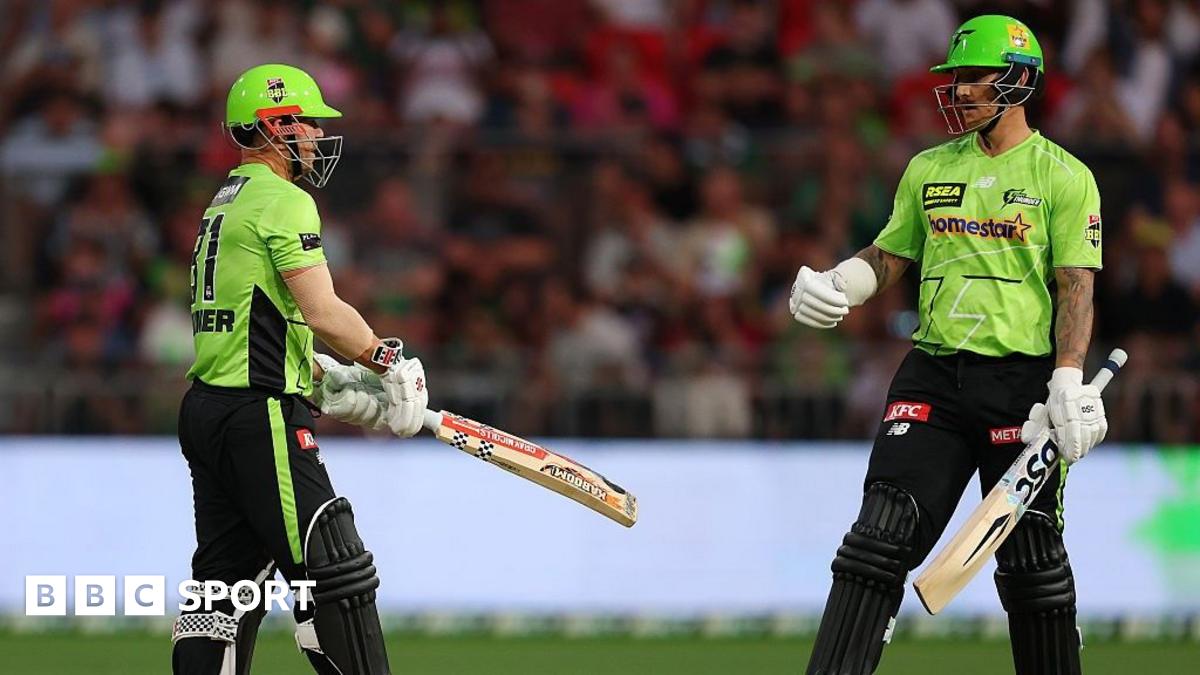
There has been a growing trend of T20 batters retiring out for tactical reasons.The move occurs for multiple reasons, including the batter being retired out because they are struggling to score quickly enough, or to get a faster-scoring batter at the crease earlier.This also happens in situations where a team feels they have a batter waiting to be introduced that is a better match-up to the opposing team's bowlers.While it is within the rules to do this, there is an argument around the ‘spirit of cricket’ as to whether teams should or should not be allowed to do it.In the opening three weeks of 2026, there were eight cases of batters retiring early for tactical reasons in men's and women's franchise leagues across the globe.The Big Bash League, Super Smash, SA20 and Women's Premier League have all seen recent incidences.Of the eight cases that have occurred, four saw batters being retired with a strike rate below 100, meaning they were scoring at a rate of slower than one run per delivery faced.Former New Zealand international BJ Watling, who coaches Northern Brave in his native country, has been a frequent user of this tactic, and even did it twice in one match during their fixture against the Volts last month, which they eventually drew."[It's] clearly a tactic coming into the game, but one we are just learning about and trying to make decisions that are best for the team in the situations required," Watling told The Post, external."All our players have the ability to win games of cricket and sometimes in certain situations it might suit someone else's skillset, and that's what we weigh up as a team."England pace bowler Tymal Mills is in favour of the tactic, and believes it is important to look past any potential debates around the spirit of the game."I think there's certain situations when it's just the smart thing to do," England bowler Tymal Mills told BBC Sport."You have to try and remove some of the emotion out of it and just focus on what's the best thing to do for the team in that situation."The smart thing to do when there's only a few overs left is to try and give those guys a platform to kind of propel you to a huge score. I guess you just have to be mindful that you make sure you get around the batter that you are retiring out, and making sure that they know that you know it's nothing personal."Hopefully it's something that becomes less of a stigma, and it's just viewed as part of the tactics of a game."Somerset all-rounder Tom Abell is also not against the tactic, but says that it does not necessarily always lead to success."It's a tactical decision and there's no guarantees that it works out," Abell told BBC Sport."The set batter might get retired out and then the new player comes in and you know, struggles and either gets out or takes a few balls."But he added that conversely, it can work against a team that have "got used to the surface" or adjusted to the opposition bowlers."There's occasions when you need a bit of time to sort of 'get yourself in' before you start going. I think there's certain situations that it can benefit teams and obviously work out. Then there's other times where it probably hinders you."I think it's just a tactical decision that I wouldn't necessarily say affects the spirit of cricket because that's just my opinion. It doesn't always work out for the batting team."This article is the latest from BBC Sport's Ask Me Anything team.


Most Popular

Peter Squires obituary: England rugby winger
12 hours ago