Egypt’s World Cup adventure gave the country its first collective joy in 15 years
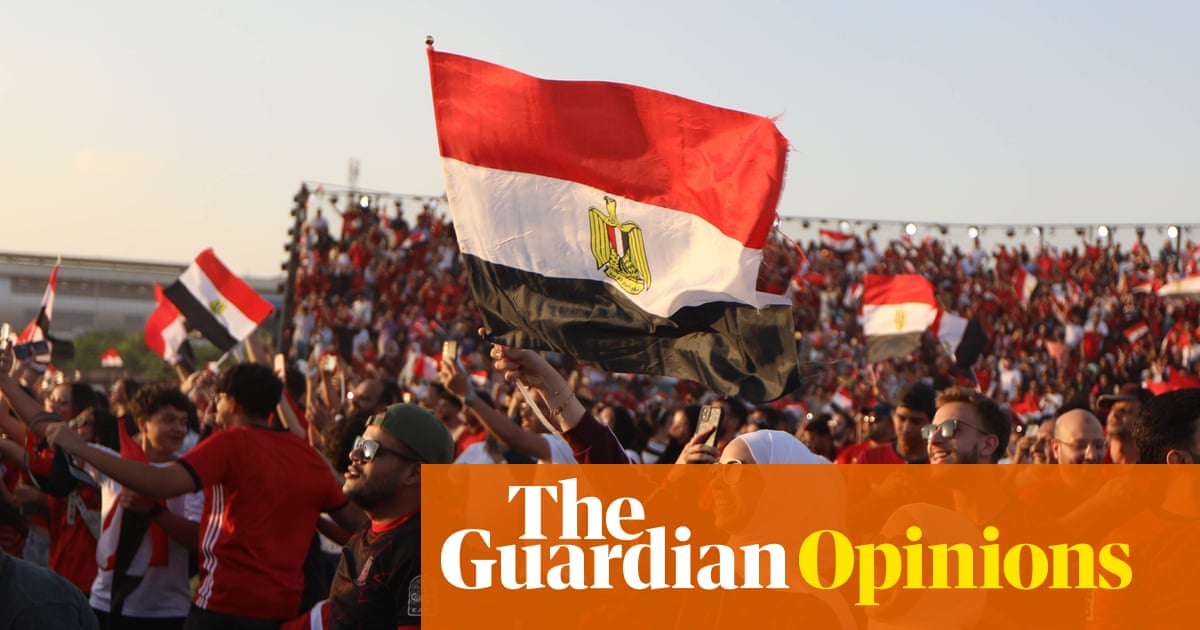
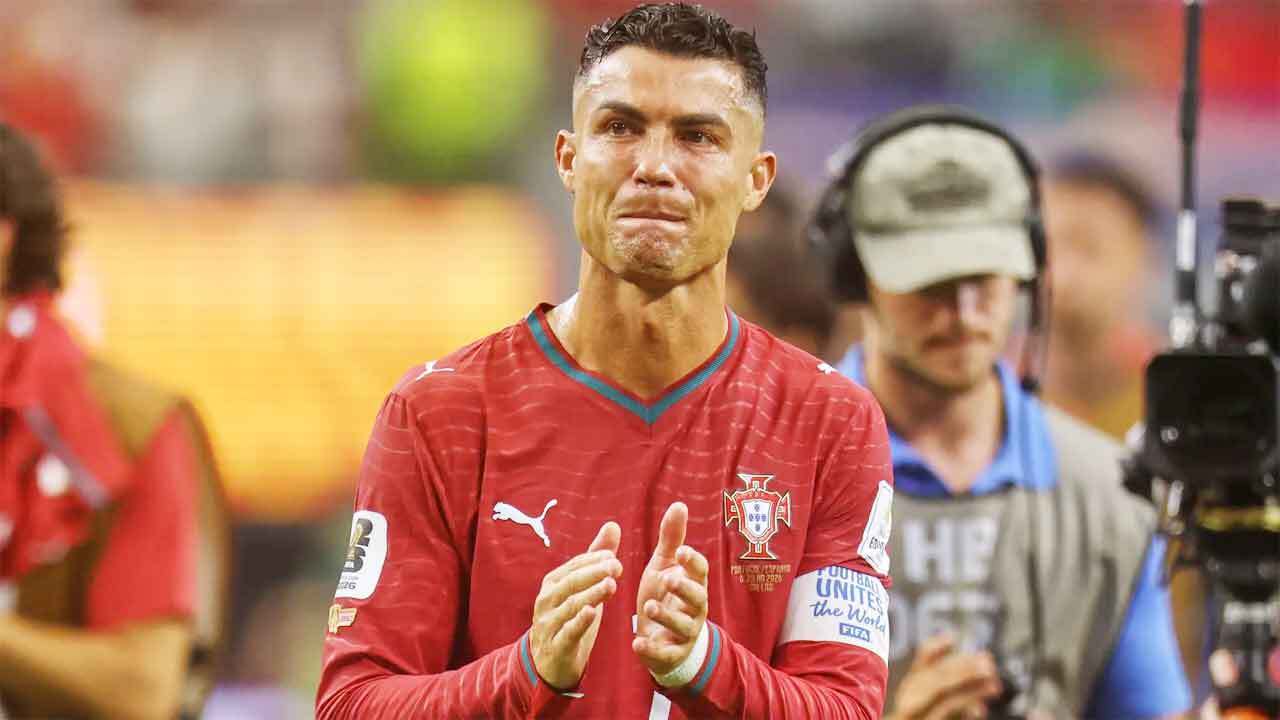
For nearly 15 minutes on Tuesday it seemed Egypt were about to complete one of the great World Cup upsets. The Pharaohs were up 2-0 against Argentina, the world champions. The goalkeeper, Mostafa Shobeir, had earlier saved a penalty to deny Lionel Messi an equaliser. Then, late in the second half, Argentina staged a remarkable comeback. Inspired by their talisman, they scored three goals in 13 minutes to book a spot in the quarter-finals, ending Egypt’s magical run.The dramatic match transformed the Egyptians’ triumph into heartbreak, and then into anger over what many regarded as a refereeing decisions that favoured Argentina. Yet amid the frustration, there was also a kindling sense of pride. When the Egypt team returned to their hotel in Atlanta, they were greeted by legions of fans who gathered to show their appreciation. It was an emotional reception, the players standing and applauding in a shared moment of gratitude – a reminder that, despite the heart-wrenching end, this team had given Egyptians their first glimpse of collective joy in 15 years, dating back to the 2011 Egyptian revolution.Over the past several years, Egypt has been gripped by one of the worst economic crises in its modern history. A mounting debt burden, fuelled by the government’s lavish spending on mega-projects, unleashed a cascade of economic consequences including runaway inflation, persistent shortages of foreign currency and a currency that continues to lose value against the dollar. For ordinary Egyptians, the consequences have been stark. As wages have failed to keep pace with rising prices, the cost of everyday essentials has become increasingly unaffordable, squeezing household budgets. More than 70% of Egypt’s 118 million population rely on the government’s bread subsidy programme, making it the largest food subsidy programme in the Middle East and north Africa.With no prospects and little hope, Egyptians such as myself have traditionally turned to football for our fleeting moments of joy.Egypt has a storied footballing history. They were one of the founding members of the Africa Cup of Nations (Afcon) and won the inaugural title in 1957. The country had just emerged from the Suez crisis and Egypt – newly free and independent – lifting that trophy became a powerful symbol for a burgeoning Africa. Egypt have won the event a record seven times but not since the Arab spring, which was the year that Mohamed Salah first appeared on the national team.In February 2012 riots occurred after an Egyptian Premier League match between Cairo’s Al Ahly, the most successful club in Africa, and Al Masry in Port Said. Seventy-four people were killed and more than 500 wounded. Some were beaten to death with clubs and sticks; some were stabbed; others were trampled. Officials refused to open the stadium gates, trapping fans inside and causing a stampede. A parliamentary inquiry blamed fans and police inaction. In response to the worst tragedy in Egyptian football history, the government shuttered the league for two years. This had a miserable effect on the national team.Since the revolution, Egypt have reached the Afcon final twice, in 2017 and 2021. The country hosted the tournament in 2019, only to experience a shock last-16 defeat by South Africa in a campaign overshadowed by controversy, including allegations of sexual harassment against the forward Amr Warda. Two years later, the Pharaohs, captained by Salah, lost the final to Sadio Mané’s Senegal in a shootout.Egypt’s World Cup résumé was also a sore point for fans. Despite participating as far back as 1934, the team had never won a World Cup match until last month, when they defeated New Zealand. That is what makes this Egypt team so remarkable. They navigated the group stage unbeaten and reached the last 16 for the first time.Yet their greatest accomplishment was giving the nation a rare reason to celebrate together. They did so with an infectious exuberance, dancing with supporters in the streets after matches, Salah belting out songs with a boombox in hand, and reminding everyone that, for Egypt, this was never just about football. As one of only two teams – with Morocco – to reach the last 16 from outside Europe and South or North America, Egypt also carried the hopes and dreams of a wide range of peoples, whether across the African continent or the Arab world. In Libya, hundreds gathered at Martyrs’ Square in the capital Tripoli, where they sang Egyptian songs and waved the country’s flag after Egypt’s victory on penalties against Australia. In Lebanon, celebrations spilled into the streets, with Lebanese and Egyptian flags raised as people danced and partied in various cities.The Egyptian Committee for the Reconstruction of Gaza organised public watch parties for displaced Palestinian families to watch Egypt’s games. The committee provided screens, seating and electricity in places such as Gaza City to allow a rare moment of distraction. Children draped themselves in Egyptian flags while others gathered in crowds to cheer on Salah and the Egyptian squad. In their eyes, Egypt’s victories were their victories. (The director of the committee, Mohammed Fawaz al-Wahidi, was killed in an Israel Defense Forces strike hours after Egypt played Argentina.)Egypt’s coach, Hossam Hassan, held the Palestinian flag at Dallas Stadium after Egypt’s win against Australia. “I’m dedicating this victory to the Egyptian people and Palestinian people, those kind and honourable people,” he said.The performance days later against Argentina cemented Egypt’s transformation from a team trapped in football purgatory to a talented side who inspire their countrymen and can stand toe-to-toe with some of the best.After Egypt’s loss, the country’s football federation (EFA) released a statement thanking the Egyptian people for their “unwavering support, loyalty and belief” throughout the tournament, which it said had been “a source of immense pride and motivation”. The performances, it said, “had reflected the spirit and character of our nation”. The EFA also said it would not “remain silent regarding the refereeing decisions witnessed during the match”.Egypt’s success does not erase or conceal the country’s political or socioeconomic challenges but the unity and collective joy that have swept across the streets have been extraordinary to witness. For a moment, millions of Egyptians found common ground in hope, celebration and national identity.For a time, Egypt had finally broken the curse of the Pharaohs.



Most Popular