
20 years on: how the Torino 2006 Olympic Winter Games helped reshape the city
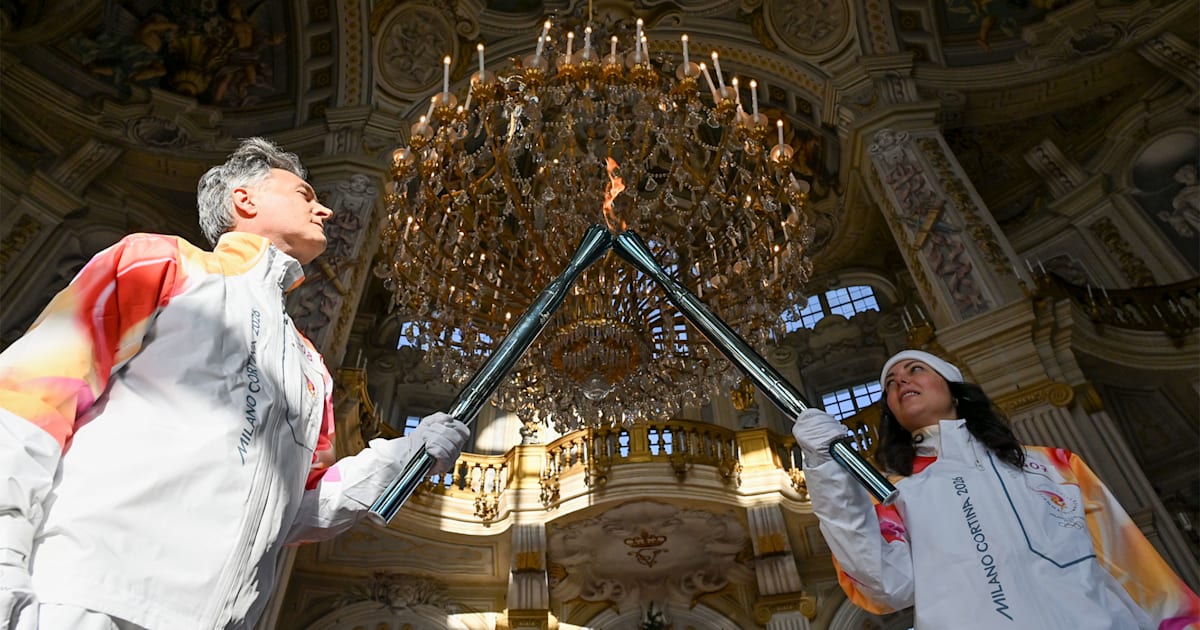
As the Olympic Winter Games return to Italy in 2026, with the Milano Cortina 2026 Olympic Torch Relay passing through the Piemonte region this week, it is a timely reminder of what hosting can deliver beyond the Closing Ceremony.Iconic sporting momentsTorino 2006 delivered sporting moments that became part of Olympic history. In the Palavela, Shizuka Arakawa won Olympic gold in women’s figure skating, a landmark victory that resonated far beyond the arena as Japan's first-ever Olympic figure skating gold.On the ice, the hockey tournaments brought packed crowds and high drama, with Sweden winning the men’s title and Canada taking gold in the women’s event. And in the mountains around Turin, cross-country skiing delivered one of the Games’ most gripping finishes, with Italy’s Giorgio Di Centa winning the 50km in a sprint so close it became part of Games folklore.Beyond industrial rootsAlongside these sporting performances that helped define Torino 2006, the city was transformed in many other ways.Before 2006, Turin was far better known internationally for industry and manufacturing than for leisure travel. Hosting the Olympic Games helped shift that perception. In the two years following the Games, leisure and cultural tourism doubled, supporting a repositioning of the city as a destination rather than a stopover.At a time when Turin was broadening its identity beyond industrial roots, the Games provided international visibility and momentum to deliver long-planned projects, rethink urban spaces and reposition Turin on the global stage.Today, that change is still visible. From Piazza Castello, which served as the Medals Plaza during the Games, to former competition venues that are now embedded in everyday city life, Olympic sites have become part of Turin’s cultural and tourism landscape.The former ice hockey arena, now the Inalpi Arena, hosts international artists and events, such as the annual ATP Finals since 2021, while the Stadio Olimpico Torino, the venue for the Opening and Closing Ceremonies, is used as the home ground for Torino Football Club and occasionally for the Italian national football team, remaining a key part of Turin's sporting landscape. The Oval Lingotto, used for speed skating, serves as a major venue for trade fairs, exhibitions and cultural gatherings. Overall, 12 of the 14 Torino 2006 competition venues remain in regular use for a variety of sport and non-sport purposes, while the ski jumping venue (Trampolino Olimpico Pragelato) and the sliding track (Cesana Torinese) are not in use due to funding challenges.Urban regenerationTurin’s broader tourism growth also reflects this shift. By the end of the decade following the Games, the city had become one of Italy’s most visited urban destinations, while visitor numbers across the Piedmont region rose steadily, supported by improved infrastructure and a more diversified offer combining culture, sport, food and outdoor activities.The Games also accelerated infrastructure developments that might otherwise have taken years longer to materialise. The first line of the Turin metro, the city’s first underground railway, opened just days before the Opening Ceremony in February 2006. While already planned before the Olympic bid, the Games provided the urgency and coordination needed to deliver the project on time.The metro formed part of the wider Spina Centrale regeneration programme, which transformed former industrial corridors into connected urban districts, linking railway stations, residential areas and public spaces. Two decades on, the metro carries tens of millions of passengers each year and continues to expand, shaping daily mobility and supporting denser, more sustainable urban development.Innovation hubThe Games also coincided with Turin’s broader economic transition. While the city’s industrial heritage remains central to its identity, the post-2006 period has seen growing investment in advanced manufacturing, research and technology.Turin and the wider Piedmont region have built on long-standing strengths in engineering to develop major innovation clusters, including a globally significant aerospace sector. Large redevelopment initiatives, including new districts dedicated to research and high-tech industry, reflect this shift toward more diversified, innovation-led growth – in a city whose infrastructure, profile and confidence were strengthened during the Olympic period.An early step towards more sustainable GamesTorino 2006 also marked an important moment in the environmental evolution of the Olympic Games. The Games were the first to achieve both ISO 14001 and EMAS environmental management certification and the first in Italy to be preceded by a detailed Environmental Impact Assessment.The Organising Committee launched the HECTOR climate initiative to address carbon emissions and raise awareness around climate change – a pioneering step at the time. While Turin’s sustainability policies developed over many years, the Games helped embed environmental considerations into major event planning and urban decision-making, influencing how organisers, institutions and the public thought about the footprint of major projects.Since 2006, the city has expanded public green spaces, strengthened cycling infrastructure and invested heavily in public transport renewal. Sustainability has become a central pillar of Turin’s urban strategy, shaped not by a single event, but reinforced by the experience and expectations created by hosting the Olympic Games.“The Torino 2006 Olympic Winter Games helped accelerate change, deliver long-term initiatives, and reshape how Turin sees itself and is seen by the world,” said Arram Kim, IOC Head of Olympic Games Impact and Legacy. “This focus reflects a broader shift in how the Olympic Games are planned and delivered. Over the past decade, the IOC has encouraged hosting models that are shaped around long-term benefits – adapting to the host, making use of existing venues and infrastructure, and adding only what will serve communities well beyond the Games themselves.”


Most Popular




Dual Season Starts With UC Davis
8 hours ago