
World Cup 2026: Nigeria await DR Congo appeal outcome and hope for reprieve
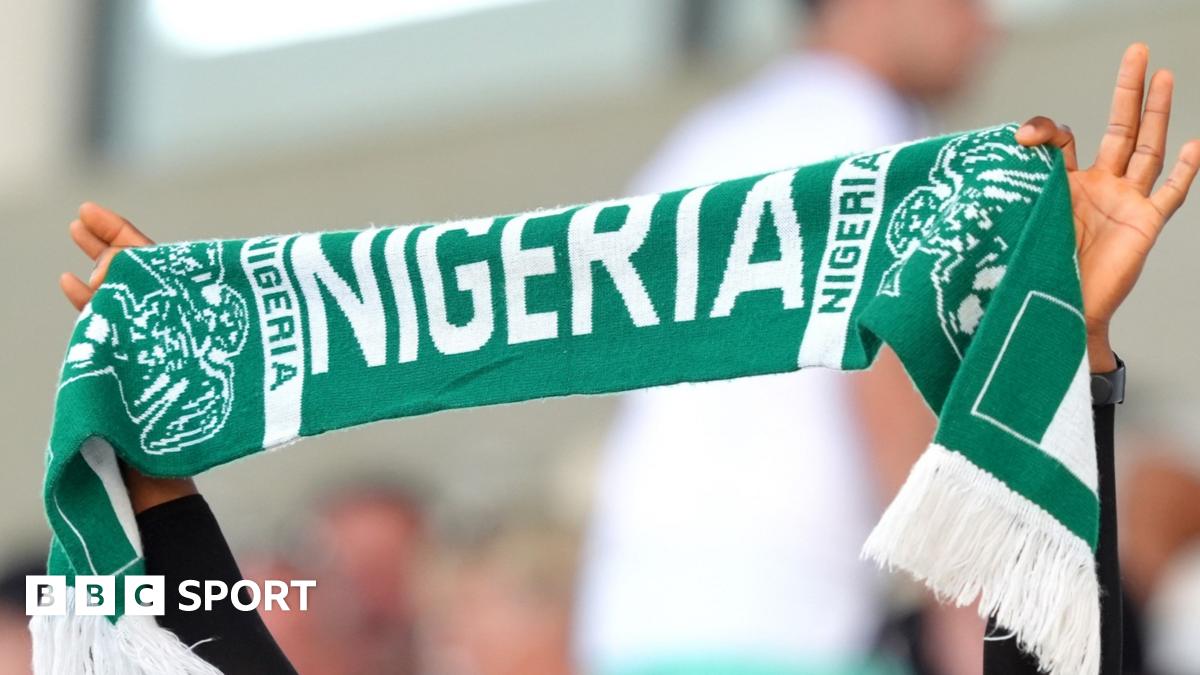
There is a mix of hope and frustration as Nigeria supporters await Fifa's decision on allegations that DR Congo fielded ineligible players during Africa's 2026 World Cup play-offs.The Congolese beat the Super Eagles on penalties in November to book their place in an intercontinental qualifier for the finals in Canada, Mexico and the United States.The Nigeria Football Federation (NFF) submitted a complaint to Fifa in December, arguing that Leopards players such as Aaron Wan-Bissaka and Axel Tuanzebe - both former England youth internationals - were ineligible because Congolese law does not allow dual citizenship.While a section of the Super Eagles fanbase is hoping the side could secure a lifeline, others are questioning the fairness of a potential qualification by appeal.Fifa has confirmed the matter is under review but the world governing body has not issued a timetable for a ruling and the NFF has moved to quash speculation that its complaint has been thrown out."Any claims that a ruling has been made are false," NFF director of communications Demola Olajire said."Fifa has not communicated any verdict to us or to the Congolese federation."At the time of the protest, NFF general secretary Mohammed Sanusi argued DR Congo had breached Fifa's regulations.Tuanzebe and Wan-Bissaka also subsequently featured for the Leopards at the 2025 Africa Cup of Nations (Afcon) in Morocco."The Congolese rule (law) says you cannot have dual nationality but some of their players have European and French passports," Sanusi stated."Our contention is that Fifa was deceived into clearing them."The Congolese Football Federation rejected the NFF's challenge, branding the petition as an attempt to "win via the back door".The Leopards will face either New Caledonia or Jamaica in March's intercontinental play-off, with the winner progressing to the expanded 48-team World Cup and joining Group K alongside Portugal, Uzbekistan and Colombia.This is not the first time African qualification campaigns have spilled into courtrooms and committee rooms.Such episodes often expose the tension between Fifa's statutes, which prioritise sporting nationality as recognised by the governing body, and national laws which may impose stricter definitions of citizenship.Past rulings suggest that Fifa tends to lean on its own regulations but each case rests on its own specific facts and documentation.Fifa statutes set out the conditions under which a player may change the national association they represent.Under these rules, a player may ask to change the association they represent only once and the process requires a written and substantiated request which must be approved by Fifa's players' status committee.While Fifa requires a player to hold a passport for the new nation they wish to represent, it is possible for them to also hold another passport.That discrepancy between domestic laws and Fifa's eligibility framework may have fuelled the legal ambiguity upon which Nigeria's hopes hinge.The NFF argues that some Congolese players held European passports, a point not directly accounted for in Fifa's eligibility checks, and contends that if those domestic laws were breached then the players should not have been cleared to participate.The petition also suggested that Fifa may have been provided with incomplete or misleading documentation when eligibility approvals were sought for the players, a claim which, if upheld, could raise wider governance concerns.With a decision expected from Fifa, a ruling in Nigeria's favour could prompt closer scrutiny of player documentation for other African nations, with federations keen to avoid similar challenges.


Most Popular


Captains come out in support of Imran Khan
8 hours ago


Geoff Mason obituary: television producer
15 hours ago