Watch: India convince umpire to reverse wide and avoid Japan upset

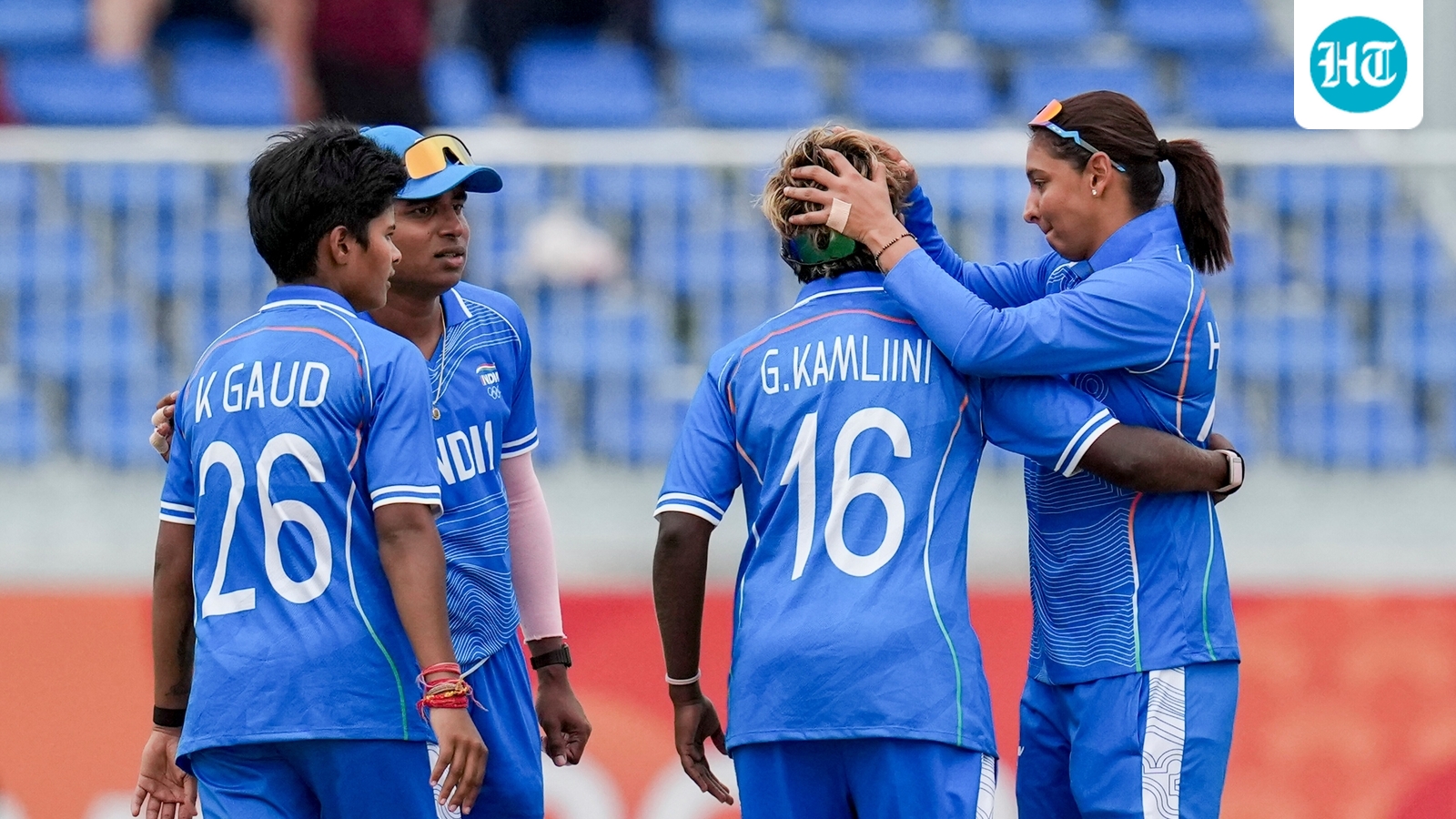
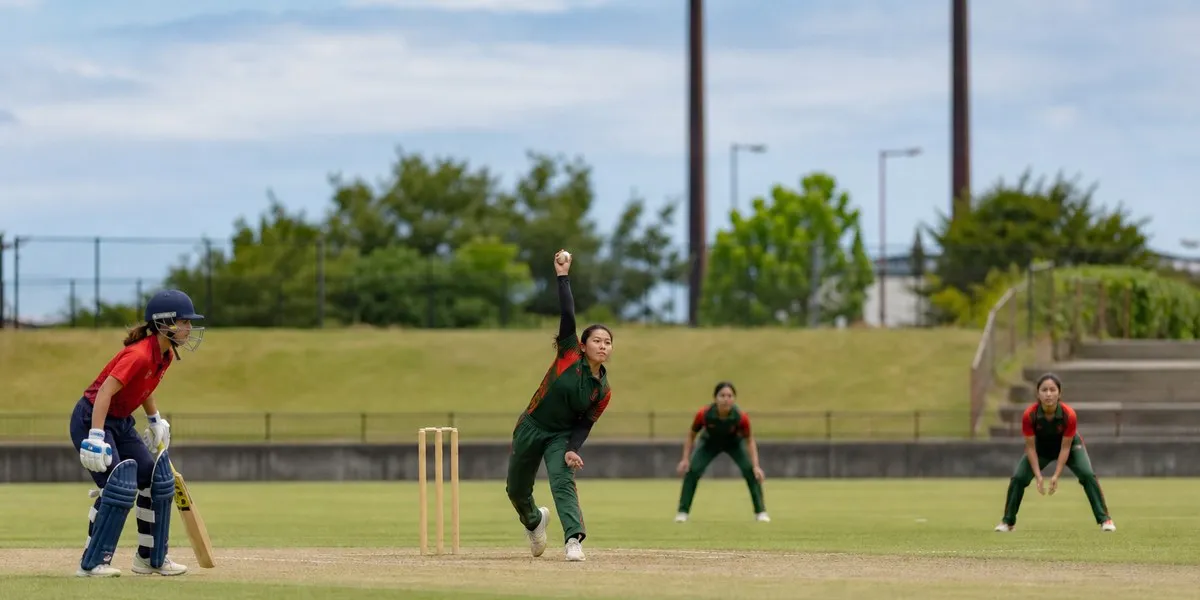
India narrowly avoided one of cricket's greatest upsets by beating Japan, but only after their protests persuaded the umpire to reverse a key decision with the game on the line.The two nations met in a T20 in Sano, north of Tokyo, as part of a celebration of 75 years of diplomatic ties, while also providing preparation for the cricket tournament at the Asian Games later this week.AdvertisementWeather shortened the match to a five-over shoot-out on a sticky wicket and slow outfield. Batting first, double world champions India posted just 32 for four, hitting two boundaries.Going into the final over, Japan, who are 41st in the ICC's official rankings, were poised to cause a shock against the world No 1 team, needing eight runs with seven wickets in hand as seasoned spinner Axar Patel prepared to bowl.After a dot ball and a single to start the over, Japan's left-hander Alexander Shirai-Patmore shaped to reverse sweep but missed, with the ball – delivered from round the wicket by the left-arm spinner Axar – turning past his leg stump, meaning the umpire gave a wide.AdvertisementThe following ball, the same events were repeated and India's exasperation turned to anger. When a wide was given, Axar was furious, because Shirai-Patmore was reverse-sweeping again, which changes the rules regarding wides.Axar remonstrated with the standing umpire, Chris Thurgate, then India captain Shreyas Iyer had words with square-leg umpire Chris Brown.The umpires did not have the decision review system (DRS) available to them. But after the pair conferred, the decision was overturned, and India went on to win by two runs. Had it not been overturned, Japan would have needed just five runs from four balls.AdvertisementAccording to law 2.12, umpires are able to change their decision, but this is highly unusual, especially when the decision is not clear-cut.Was it the right call to overturn the decision?Yes. This is a matter for the International Cricket Council (ICC) playing conditions, not the laws of the game, which are managed by Marylebone Cricket Club (MCC). The ICC has advised umpires that if a batsman attempts a reverse-sweep or switch-hit, both sides of the wicket are to be treated with the same latitude. Or, in other words, both sides are to be treated as if they are the offside. Therefore, it has to be 75cm wide of the outer stump to be called a wide. This was not, and therefore should not have been a wide.In a switch-hit, the batsman swaps his hands in his grip, while during a reverse sweep or hit, the hands stay in the same position.AdvertisementThe question of whether India's fielders pressured the umpire into reversing the decision is different. Article 2.8 of the ICC's playing conditions covers "excessive, obvious disappointment with an umpire's decision" and "arguing or entering into a prolonged discussion with the umpire about his/her decision".



Most Popular