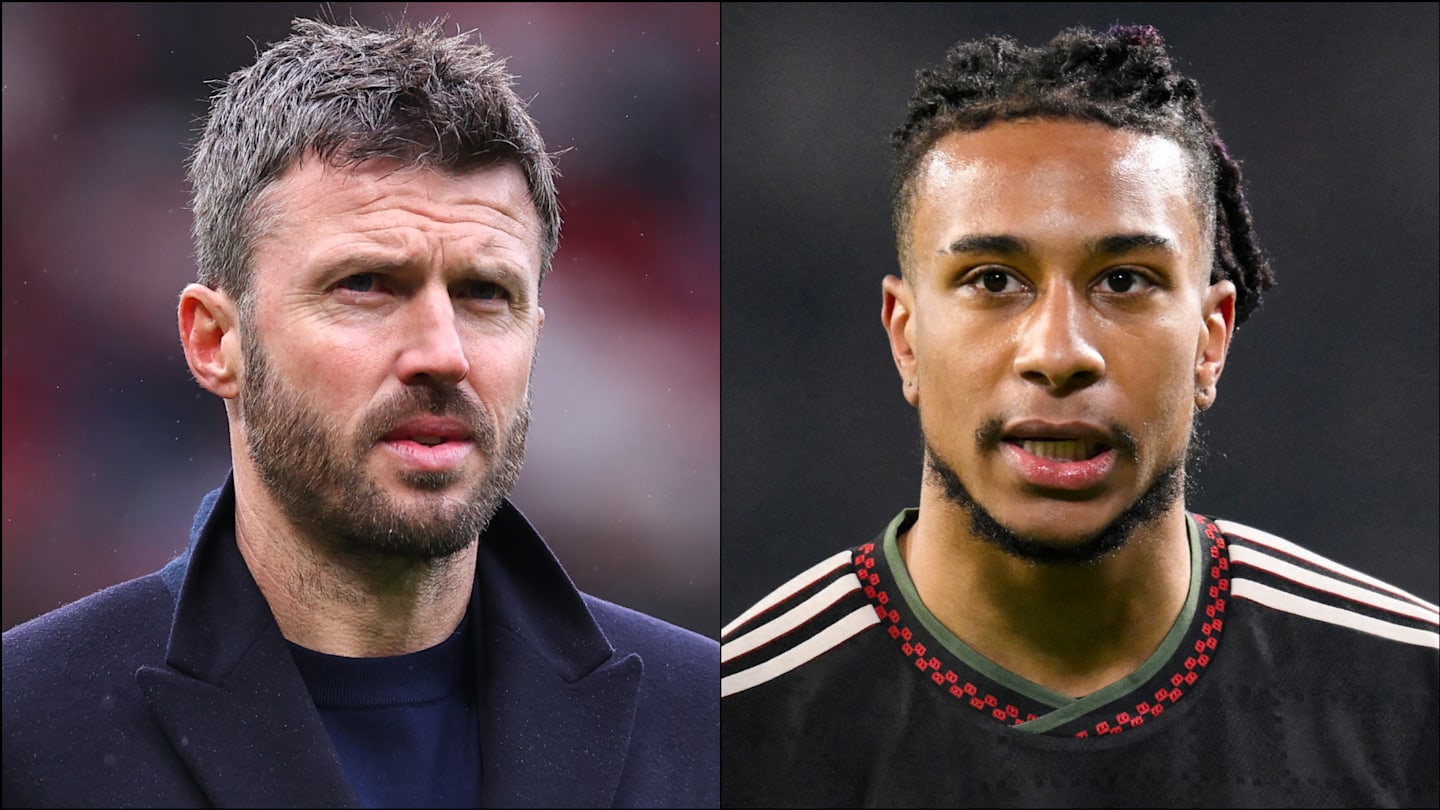
Division, redundancies & massive managerial errors have defined Sir Jim Ratcliffe's time at Man Utd - but is there light at the end of the tunnel after two years to forget?
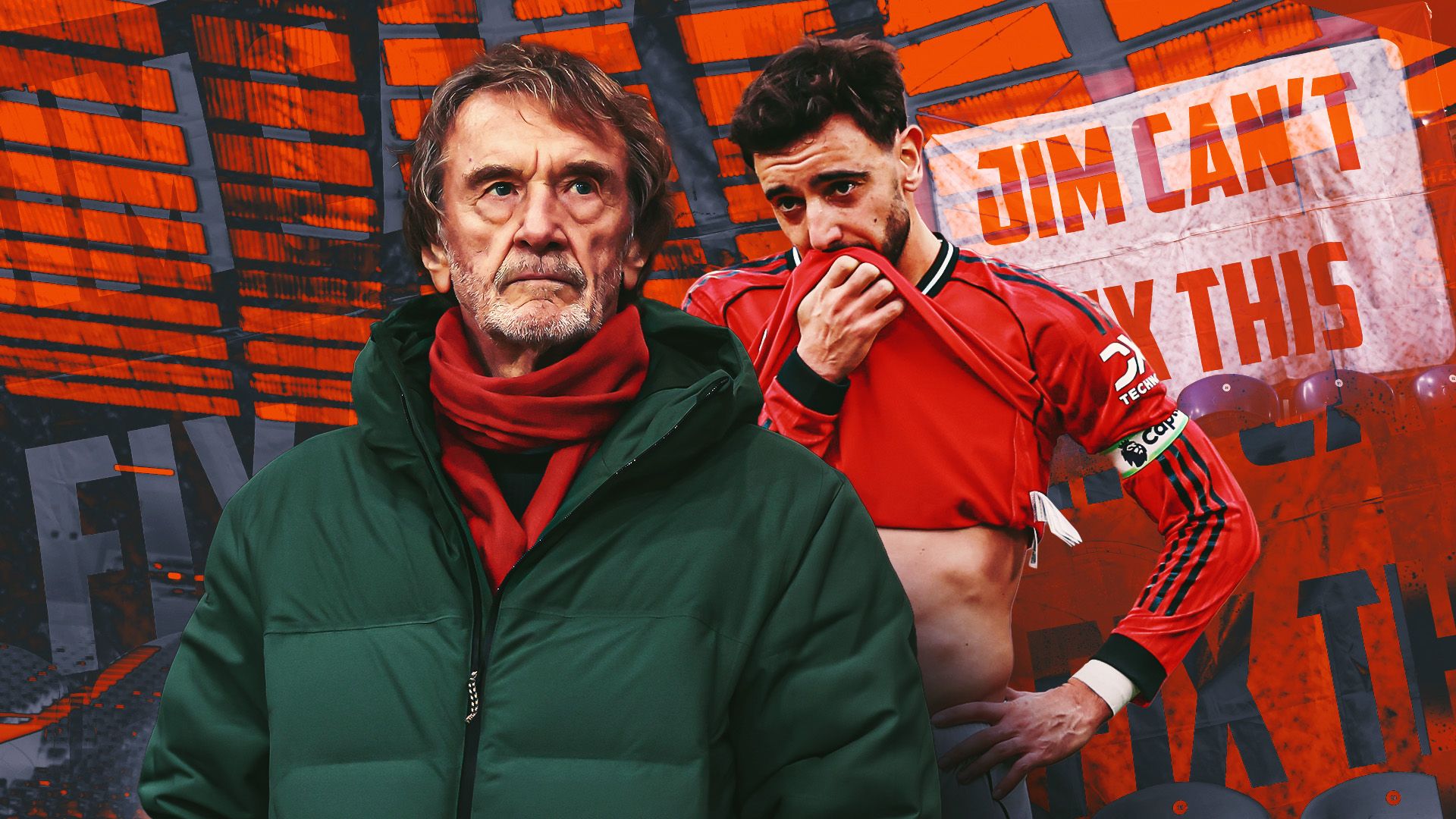
Ratcliffe admitted in his already infamous Sky News interview that he had made few friends at United because of the widespread changes he has made, but stressed they were necessary and suggested that they were the reason results were finally improving."I've been very unpopular at Manchester United because we've made lots of changes," he said. "But for the better, in my view. And I think we're beginning to see some evidence in the football club that that's beginning to pay off."United might be enjoying their best run of results on the pitch of that two-year period following the appointment of Michael Carrick, but their run of four wins out of five is in spite of, rather than the cause of, decisions made by Ratcliffe. In a sporting sense, he has made three big calls, all of which have proven disastrous.Having undermined Erik ten Hag ahead of the 2024 FA Cup final by speaking to prospective candidates to replace the Dutch coach, Ratcliffe then chose to keep Ten Hag in charge and extend his contract by a year. That move raised the eventual cost of sacking Ten Hag, which happened just four months later, and held the team back as they made a dire start to the 2024-25 season.Ratcliffe had inherited Ten Hag and naturally wanted his own, hand-picked coach. He and chief executive Omar Berrada went with the charismatic Ruben Amorim, ignoring the well-founded concerns about the Sporting CP coach's lack of Premier League experience and his strict adherence to a 3-4-3 formation which has very rarely succeeded in English football.The appointment of Amorim also undermined the advice of sporting director Dan Ashworth, and was a major factor in his sudden departure five months after being hired away from Newcastle. Ratcliffe was said to be unimpressed by Ashworth only recommending managers with Premier League experience as it showed he could not think outside the box.But after Amorim proved to be the worst coach United have had in the Premier League era, registering just a 32% win rate, and oversaw the club's lowest league finish in 51 years, it emerged that United would only be looking at managers with Premier League experience for their next permanent appointment.The total cost of sacking Ten Hag, coupled with hiring and firing of both Amorim and Ashworth, came out at around £37 million, completely erasing the savings made by Ratcliffe's controversial cost-cutting measures. For example, firing 250 members of staff in the first round of redundancies in 2024, saved the club between £8m and £10m. A further 200 staff have been laid off since.Then there are the mean-spirited measures, such as ending free lunches for staff and cancelling Christmas parties and bonuses. Ratcliffe has also alienated match-going fans and sparked more supporter protests by hiking ticket prices, bizarrely claiming that United should not be charging less than Fulham, and ending price reductions for over-65s and children.As well as causing great pain and financial uncertainty to the staff that had served the club for many years, the redundancies have been counterintuitive. United now possess fewer scouts to find the next big talents and a smaller commercial team to do the deals which used to make them the envy of clubs around Europe.One of the first things that Sir Alex Ferguson did when taking charge of United in the late 1980s was to beef up their local scouting network. United's increased power in the Manchester area led to the emergence of the legendary 'Class of 92' generation consisting of Ryan Giggs, David Beckham, Paul Scholes, Nicky Butt and Gary and Phil Neville.Ratcliffe's declaration in October that "the academy has really slipped at Manchester United" reportedly baffled parents of players as well as staff, and cutting the number of scouts is only going to make the problem worse.While Ratcliffe’s bungling of major sporting decisions could be excused given his lack of expertise in the area, the club’s decline as a commercial force under his leadership is more damning.In January, United dropped to eighth in Deloitte’s Football Money League, which ranks European teams according to their revenues. It was their lowest-ever ranking, with the fall largely due to their broadcast income shrinking by €52m due to failing to get into the Champions League in successive seasons. However, United are confident that they will climb back up that table if they return to Europe's premier club competition, which they are currently on track to do.United’s failure to qualify for the Champions League since Ratcliffe became co-owner, their longest spell outside of it since 1993, is hitting the club in the pocket in other ways. For example, their deal with adidas is worth £10m less this year due to not being among the continent's elite.The club have also been without a training kit sponsor since last season, when Tezos ended their agreement with the club. Club sources, however, stress that they are ready to wait for the right deal, both in terms of value and partner. United's shirt-sleeve sponsorship partnership with DXC technology is also set to expire in the summer, and it remains to be seen whether it will be renewed or replaced, while hotel giant Marriott International ended its sponsorship agreement with United last year.There are other examples of United’s brand no longer seeming as strong as before. The club wanted to organise mid-season friendlies in the Middle East to plug the financial hole of not competing in Europe, but were unable to do so, while their share price has also fallen.According to football finance expert Kieran Maguire, United’s share price is currently $17.70 per share, compared to the $33 per share Ratcliffe paid to acquire his minority stake two years ago, suggesting "the market thinks Man United is worth substantially less than he paid for it".Despite these setbacks and poor on-pitch results, United still made a club record £333.3m in commercial revenue last year, an increase of almost £30m from the previous year and the fifth-largest amount in Europe. Matchday income also climbed from £137m to £160m on the strength of playing so many Europa League games, but is set to fall dramatically due to playing only 20 home matches this season.Perhaps the biggest improvement that has been seen at United over the last year is in player recruitment. The three outfield signings of last summer have scored 21 of the team’s 45 Premier League goals thus far, with Bryan Mbeumo leading the way with nine strikes while Matheus Cunha and Benjamin Sesko, the latter of whom has often played as a substitute, have contributed six each.Senne Lammens has also been a huge success in goal, and if he continues on his current trajectory will prove to be a very astute signing at £18m. The age profile of the squad has also reduced, as has the wage bill, and there is a sense that all the new arrivals will have big roles to play for years to come. Panic buys late in the transfer window like Antony and Casemiro, which occurred under the previous regime, seem to be a thing of the past.Ratcliffe can take some credit for these advances due to overhauling the club's executive team and hiring head of recruitment Christopher Vivell, director of football Jason Wilcox and new director of data Mike Sansoni, who contributed to eight world Formula One championship-winning seasons at Mercedes-AMG Petronas.Another tangible positive of Ratcliffe’s arrival has been the £50m renovation of the first-team training facility, which the billionaire paid for out of his own pocket.The centrepiece of Ratcliffe's tenure, however, has been the project to construct a 100,000-capacity stadium, which would turbocharge United’s revenue levels and see them follow in the footsteps of Real Madrid, Barcelona and Tottenham in using stadium renovations or constructions as a vehicle for growth.It has been almost a year since United unveiled the plans for a new Old Trafford that Ratcliffe wants to become 'the Wembley of the North', but despite appointing Collette Roche as the CEO of the new stadium development and the launch of the regeneration plan for the area, key questions remain unanswered, such as when it will break ground and how it will be paid for.The best that could be said about Ratcliffe’s 24-month reign as co-owner is that he has made a lot of lofty promises which he is yet to deliver upon. The worst that could be said is he has got the major decisions wrong, at a great cost, and shown to be a divisive and increasingly out-of-touch figure.Still, despite all the upheaval, United can point to the fact that two years into Ratcliffe's project, the men's team are in the driving seat to return to the Champions League while the women's team are second in the Women's Super League, into the League Cup final and playing into the Champions League knockouts for the first time.The biggest favour Ratcliffe could do for himself and for United over the next few months, then, is keep a low profile, avoid any more interviews and let the teams do the talking.
Most Popular