FIFA World Cup 2026 Chaos: Iran Pushes to Move U.S. Matches Over Safety Fears in Explosive Travel Twist!

A dramatic geopolitical conflict is being funneled into the world of international sports as the countdown to the summer of 2026 continues. It is reported by the Football Federation of the Islamic Republic of Iran (FFIRI) that a formal request has been issued to relocate the national team’s opening fixtures. This unprecedented move is being driven by intense security concerns for Iranian athletes and a deteriorating diplomatic relationship with the United States. Following the qualification of Team Melli for the 48-nation tournament, the Middle East conflict impact has shifted from the battlefield to the boardroom. The Iranian authorities are currently engaged in high-stakes negotiations with FIFA to avoid playing on American soil, citing a lack of safety guarantees from the host nation’s leadership. This World Cup match relocation bid represents one of the most significant challenges to the unified hosting model shared by the U.S., Mexico, and Canada.A Presidential Warning Sparks PanicThe catalyst for this sudden shift in strategy is being attributed to recent statements made by the American executive branch. It is observed that U.S. President Donald Trump posted a message on the Truth Social platform suggesting that while the Iranian team is technically welcome, their presence might not be appropriate for their own life and safety. This host country security warning was immediately interpreted by Tehran as a signal that the United States cannot, or will not, provide the necessary protection for the delegation. In response, Mehdi Taj, the president of the FFIRI, stated via the Iranian embassy in Mexico that the team would certainly not travel to America under such conditions. This diplomatic rift in sports has placed FIFA in an impossible position, as the governing body attempts to maintain the integrity of a schedule that was finalized months ago.Mexico Steps Up as a Neutral HavenWhile tensions remain high in the north, a different narrative is being crafted south of the border. It is reported that Mexican President Claudia Sheinbaum has publicly offered her country as a safe alternative for the embattled team. During a recent press conference, the President confirmed that Mexico maintains diplomatic relations with every nation and is fully prepared to host the matches against New Zealand, Belgium, and Egypt. This Mexico World Cup host offer is being viewed as a potential lifeline for the tournament, providing a neutral ground where the focus can return to athletics rather than politics. The Iranian Ambassador to Mexico, Abolfazl Pasandideh, has echoed this sentiment, praising the Mexican people and urging the global soccer community to support the transfer of Group G fixtures to venues like Estadio Azteca or Estadio BBVA.The Looming Threat of a Historic BoycottThe stakes of these negotiations are being magnified by the possibility of a total withdrawal. It is noted that the Iranian Sports Minister, Ahmad Donyamali, initially declared on state television that participation would be impossible following recent military escalations in the region. Although a subsequent U-turn was made by the football federation, the phrase boycott the United States has become a central theme of their campaign. If a resolution is not reached, it is feared that the 2026 edition could see the first modern-era withdrawal of a qualified team for purely political reasons. This World Cup participation uncertainty is causing significant logistical headaches for FIFA, which is already dealing with a $100 million budget efficiency drive and the complexities of a 104-match schedule.FIFA Sticks to the Master PlanDespite the intense pressure from Tehran and the open invitation from Mexico City, the governing body of world soccer is currently holding its ground. It is reported that FIFA President Gianni Infantino has reaffirmed that the tournament will proceed as scheduled. Following an emergency council meeting, the organization released a statement expressing its desire for all 48 teams to compete in a spirit of fair play while emphasizing that FIFA cannot solve geopolitical conflicts. This refusal to relocate matches is being justified by the immense logistical difficulty of moving thousands of fans, security personnel, and broadcasting equipment on such short notice. However, the force majeure clauses in the official tournament regulations do allow for rescheduling in the event of extreme safety risks, leaving a small window of possibility open for a last-minute change.Impact on the Group G CitiesThe cities of Los Angeles and Seattle are being directly affected by this ongoing dispute. It is documented that Team Melli is scheduled to play at SoFi Stadium on June 16 and June 21, before traveling to Lumen Field for their final group match on June 26. Local organizers in these World Cup host cities have expressed concern that the vacancy of a major participant would lead to significant revenue losses and security complications. Furthermore, the planned Iranian base camp in Tucson, Arizona, remains in a state of limbo as the federation refuses to send advance teams to the site. This regional economic risk is being monitored by local government officials who are eager to see a peaceful resolution that ensures the safety of all visitors, regardless of their national origin.The World Cup as a Bridge for PeaceAmidst the rhetoric of war and boycotts, there is a small but vocal movement calling for the tournament to fulfill its original purpose. It is argued by FIFA Vice-President Victor Montagliani that every World Cup has faced geopolitical hurdles, from the military junta in Argentina to the tensions of the Cold War. The power of football to build bridges is being cited as the primary reason why the matches should remain in the United States, providing a rare opportunity for citizens of conflicting nations to meet on neutral, sporting ground. This peace-building through soccer narrative is being pushed by various NGOs who hope that the presence of the Iranian team in American cities could serve as a powerful visual antidote to the prevailing atmosphere of hostility.A Deadline Approaching for Team Melli



Most Popular
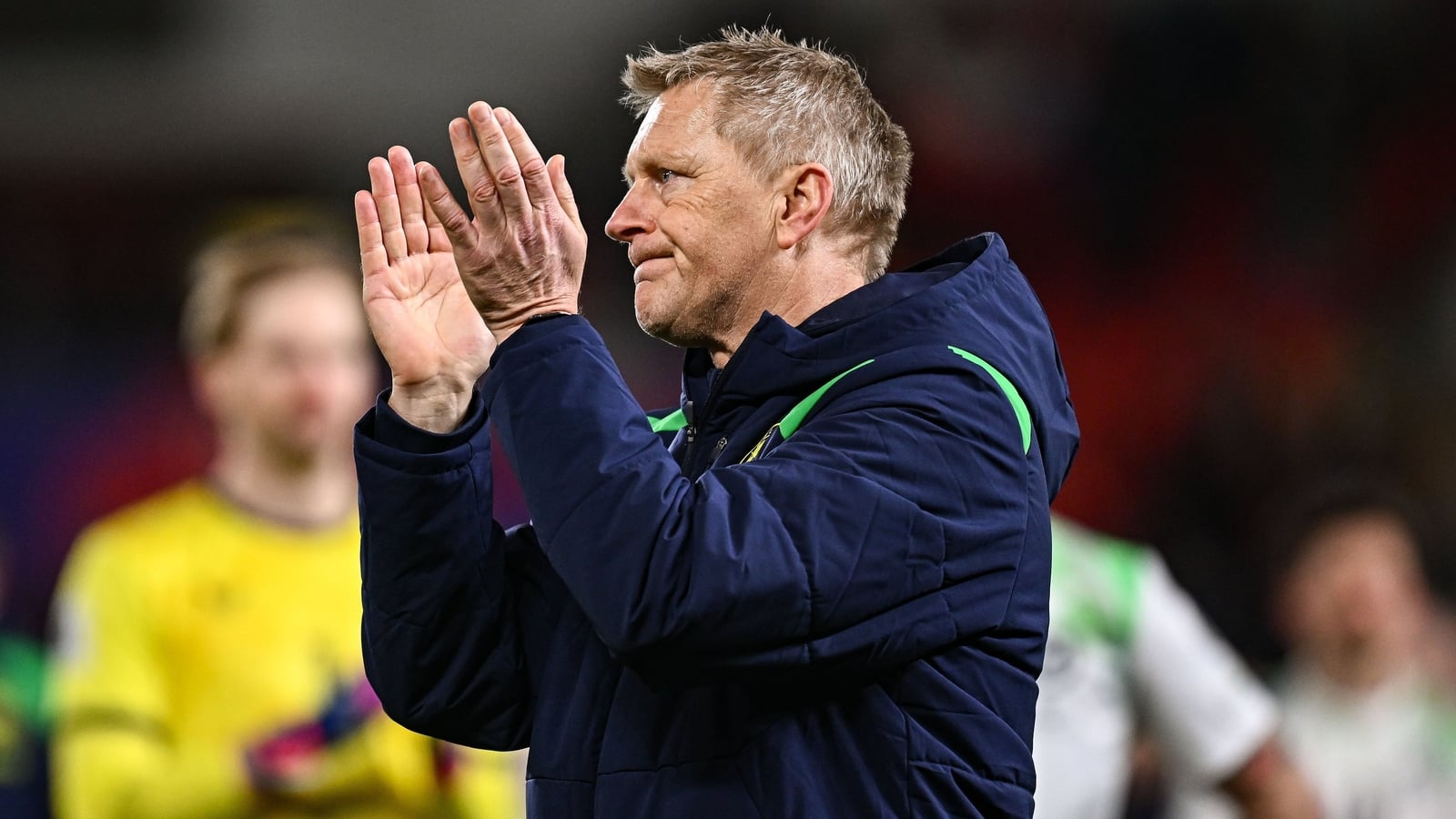
Hallgrimsson devastated by Irish loss
6 hours ago