Uefa plans to offer Champions League streaming service direct to fans
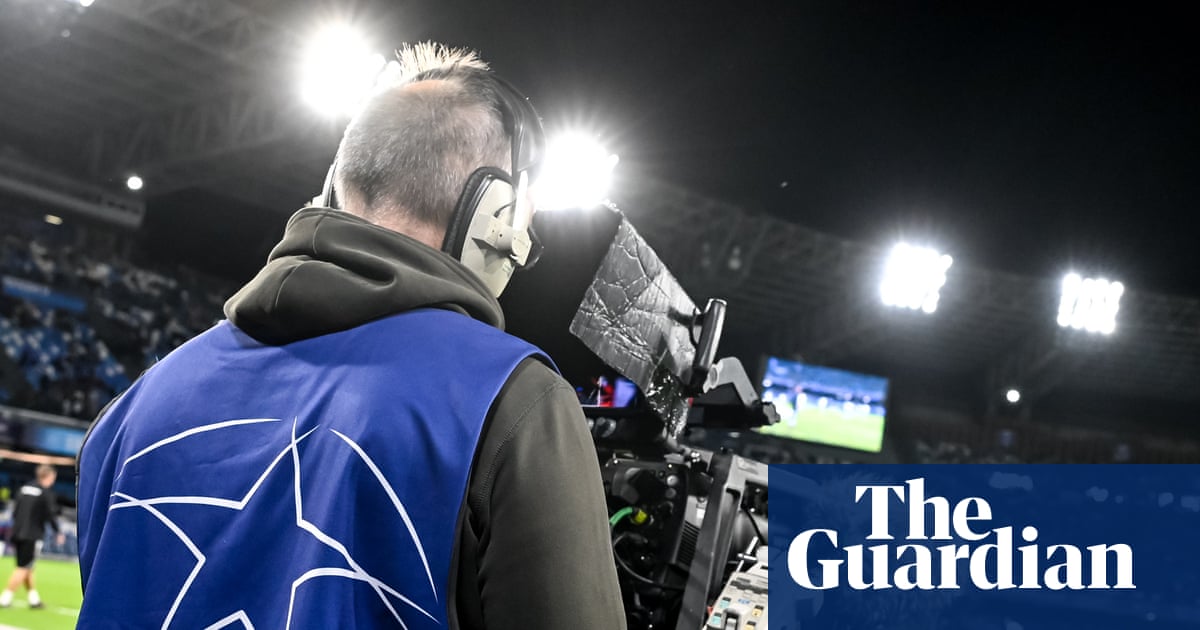
Uefa hopes to follow in the Premier League’s footsteps and trial a new direct-to-consumer streaming service for Champions League matches in the next television rights cycle.If implemented successfully the trial could pave the way for games to be streamed more widely via a dedicated platform. Discussions are in their early stages and it is unclear whether the service would be offered free of charge. A major Asian market such as Indonesia or India could be an attractive starting point for UC3, the joint venture set up by Uefa and European Football Clubs (EFC) to manage their competitions’ commercial rights, as it seeks to determine the project’s viability.Ideally the service would be pioneered for the 2027-2031 cycle, whose rights are out to tender in multiple locations but are yet to be open in large parts of Asia. The Premier League has committed to launching a new app before next season, informally dubbed “Premflix”, that will be rolled out to fans in Singapore. UC3 hopes a similar offering would extract further value from markets that it believes are underperforming.The move comes a month after Uefa, EFC and Real Madrid announced they had reached an agreement that would in effect terminate the failed Super League project definitively. At the time, they stated a key pillar of their accord was “the enhancement of fan experience through the use of technology”. Uefa’s willingness to adopt a more flexible approach when it comes to streaming games is understood to have been a significant factor in Real’s climbdown.A platform for Champions League games would fit that bracket and Uefa is understood to be excited by the prospect of such an innovation. The Super League’s promoter, A22, had announced plans for a free “Unify” platform to air all matches in its doomed competition.The death of the Super League means the Champions League’s current iteration remains unthreatened for now, although tweaks to its format have been discussed. One area to have been the subject of debate in Uefa’s club competitions committee is the concept of “country protection”, which prevents sides from the same nation from playing against each other in the league phase. A number of leading European clubs are understood to feel strongly that being protected from playing against each other gives the Premier League, which entered six clubs to this season’s Champions League and dwarves its competitors in financial strength, an unfair advantage.The Premier League is on course to be represented by five clubs next in 2026-27; that number could extend to seven if Liverpool win the Champions League and Aston Villa or Nottingham Forest win the Europa League and do not finish in the top five in the Premier League.Although there is an appetite to increase the jeopardy for Premier League sides there are differing opinions in some European countries, where some clubs are reluctant to open a door that lets them face their own powerful compatriots, about how to handle the issue. Other clubs are understood to have wanted country protection to be extended to cover the last 16, which was previously the case.Uefa has decided to retain the current rules, which dictate that teams from the same country cannot face each other in the league phase unless there are too many in the same seeding pot. Country protection was removed from this season’s playoff round, when Paris Saint-Germain faced Monaco. The debate may resurface if English clubs continue to dominate the competition’s early stages.




Most Popular


Ronnie Delany obituary: Irish sporting hero
14 hours ago