What would actually happen if Tottenham were relegated from the Premier League?

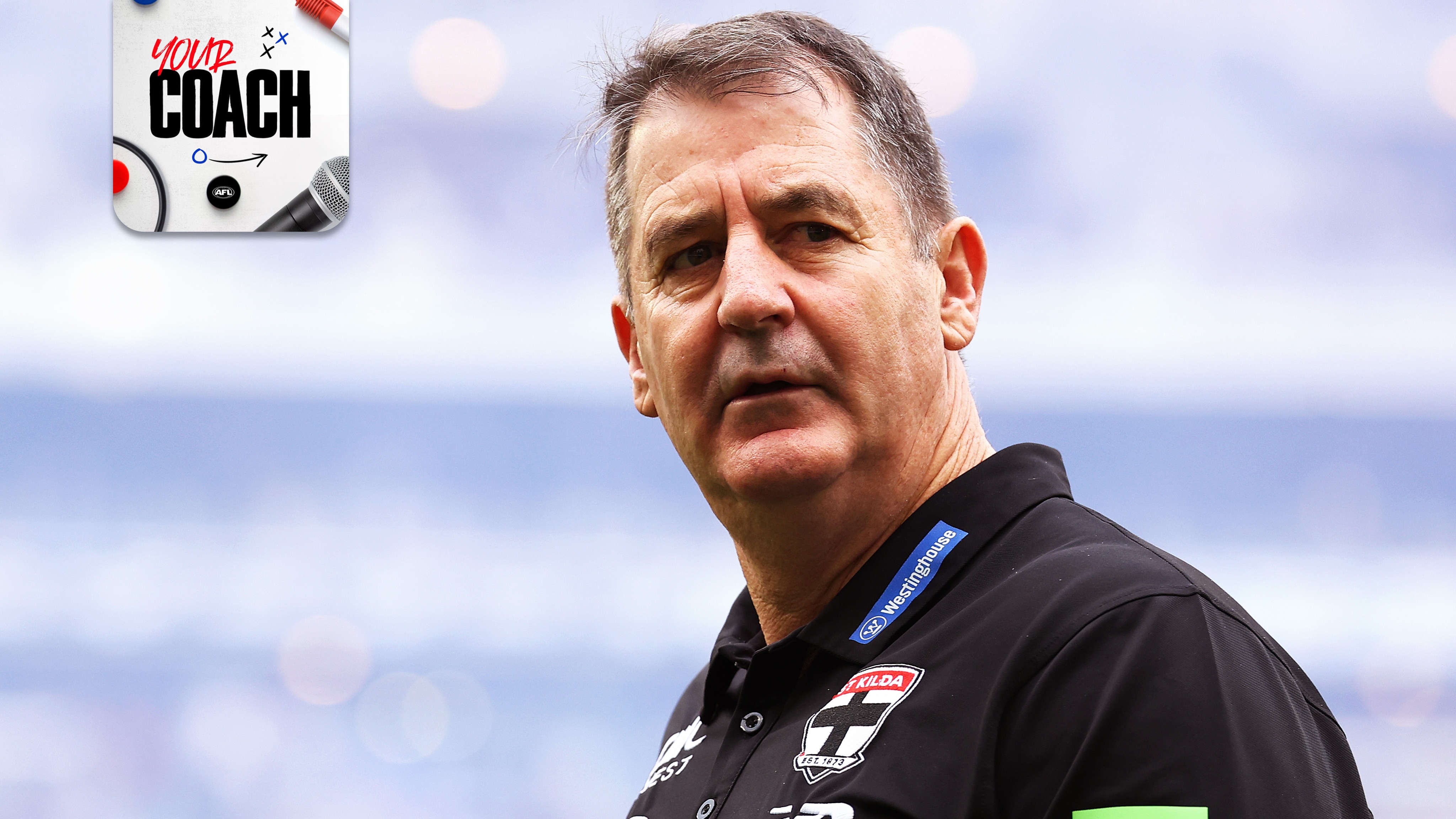
If Igor Tudor’s appointment as Tottenham Hotspur head coach tells us anything, it’s that the board are concerned about the prospect of relegation to the Championship.The 47-year-old Croatian twice rescued Udinese from relegation in Serie A, before plugging holes at Marseille and Juventus — ensuring Champions League football on both occasions. Tudor is a premium alternative to the likes of Tony Pulis and Sam Allardyce, who built reputations domestically on reviving disastrous seasons.While Opta’s data model indicates Tottenham’s actual chances of relegation are remote, at 3.36 per cent, they are just five points ahead of a resurgent West Ham United in 18th, having failed to win in eight league matches.With 12 top-flight games remaining, and 36 points available, The Athletic has assessed what going down for the first time since the 1970s would mean for Spurs.Which players would be likely to depart?The majority of Tottenham’s first-team squad should have no problem attracting interest from the Premier League and across Europe if the club were to be relegated.The defence, probably the strongest area of the pitch in the first half of this season under the recently sacked Thomas Frank, would be pretty much picked clean, with a core of experienced internationals in their prime years unlikely to want to spend a season in the Championship. That would mean replacing Guglielmo Vicario, Pedro Porro, Destiny Udogie, Micky van de Ven and Cristian Romero. Kevin Danso and Djed Spence will also likely attract significant interest and could find new homes at top-tier clubs, either permanently or on loan.Looking at midfield, January signing Conor Gallagher was courted by Aston Villa before deciding on a move to Tottenham, and will surely want to continue playing at the highest level. Rodrigo Bentancur committed his long-term future to the north London club last October and was pivotal under Frank before undergoing hamstring surgery in January, but may seek a move should Spurs go down.In forward areas, it’s difficult to envision Dominic Solanke, Mohammed Kudus, James Maddison, Dejan Kulusevski, Xavi Simons or Richarlison spending a season (or more) in England’s second tier during their peak years.And who could thrive?Having suffered an anterior cruciate ligament (ACL) knee injury in the recent 2-1 defeat against Newcastle United, the chances of Wilson Odobert departing in the event of relegation are reduced.The France Under-21 international enjoyed his best stretch through January and February, thriving as a right-winger in Kudus’ absence. While Odobert may not return to action this calendar year, having a period in the Championship, where he would surely be one of the division’s most talented forwards, may aid his development and build confidence.It would also offer the opportunity to build a long-term wing partnership with Mikey Moore, who is thriving on loan in Scotland at Rangers. After a difficult initial period under the Glasgow side’s previous manager Russell Martin, Moore has excelled under successor Danny Rohl and should head back to north London in the summer ready to make an impact, particularly if his parent club are in the second tier when he returns.Archie Gray is perhaps another who may benefit from a season as a bona fide starter in the Championship, as would Pape Matar Sarr and Lucas Bergvall, who Spurs would do well to retain after attracting interest from Chelsea and Villa in January. Goalkeeper Antonin Kinsky would have the opportunity to develop into a starter, backed up by Brandon Austin.Relegation would arrive at the perfect time for Luca Williams-Barnett, Jun’ai Byfield and Tynan Thompson to step up from the academy and contribute, while offering senior opportunities to academy graduates Dane Scarlett, Jamie Donley and others who are currently out on loan. Souza, 19, who arrived from Brazilian side Santos in January, could also benefit.While Tottenham would undoubtedly field lucrative proposals for his signature in the summer, 18-year-old centre-back Luka Vuskovic is among the brightest prospects in the world in his position. The Croatia international is already attracting interest from across Europe thanks to an impressive debut season on loan at Hamburg in the German Bundesliga, but a stint in England’s second tier would help with his long-term adjustment to the Premier League’s intensity once Spurs manage to return to the top flight.Will the cost of season tickets reduce?Tottenham have one of the Premier League’s most expensive season tickets, with prices ranging from £856 to £2,147 ($1,159 to $2,907) — not including domestic cup or Champions League matches.At arguably English football’s most impressive venue, a short train ride from central London, the club can justifiably market themselves as a premium sporting product when competing at the top of the Premier League. However, Spurs have been dreadful at home this season, winning just twice and losing seven times in 13 matches. And while they might expect to win significantly more often at home if they were relegated, supporters would expect a notable deduction in both matchday and season ticket prices. On Wednesday, The Athletic reported that Tottenham had decided to freeze their season ticket prices for next season following consultation with fan groups.While there is little comparison between Tottenham’s financial power and that of any club previously relegated from the Premier League, Villa, Newcastle United and Fulham come closest. Villa were most recently in the second tier in 2018-19, when they won promotion back to the Premier League via the play-offs. That season, their cheapest adult season ticket (purchased during early-bird sales) was £322, with others costing up to £595. The following year, as a top-flight club again, their ticket prices increased to £370-£684.For new season-ticket purchasers, Newcastle’s category-two season ticket prices dropped around 10 per cent (£520 from £578) as they bounced straight back in 2016-17 as EFL champions, then increased by 15 per cent the following term.Though Newcastle and Villa may be more similar to Spurs in terms of historical footballing success, Fulham are based in an affluent part of west London, have some of the league’s most expensive season-ticket prices, and were in the Championship more recently.For their second-tier 2021-22 season, the cheapest season ticket at Craven Cottage was £399, with the most expensive at £809. There were eight price categories in total, with a mean cost of £554. After winning promotion, the cheapest season ticket for new purchasers was £460, with the most expensive at £1,005 — a mean cost of £666.25, a 20.3 per cent increase.In reference to the threat of relegation and the knock-on financial effects, a Tottenham Hotspur Supporters’ Trust spokesperson said: “While we know the spectre of relegation is real and we are confident that the club are acutely aware of its catastrophic implications, we believe that their 100 per cent focus is, rightly, on improving performances and results. In short, avoiding relegation at all costs.“The impact on supporters, damage to reputation, financial sustainability and practical considerations like ticket pricing, are matters for another day. But whether or not the club is successful and retains its Premier League status, salutary lessons need to be learned throughout the club and wise investment made to ensure we are never in this position again.”How far could going down set Spurs back financially?There is no precedent for a club of Tottenham’s size and financial strength suffering relegation to the Championship, so it’s difficult to say.They are the ninth-wealthiest team in the world game, according to Deloitte, with revenue of €672.6million in 2024-25 — around €88m more than the next-richest, London rivals Chelsea. After reaching the upcoming round of 16 in the Champions League despite their domestic struggles, that number is in line to increase this season. No club in the 34-year Premier League era have recorded more than £200million in single-season revenue and gone down.While their current wage bill would dwarf any in Championship history, Tottenham’s relative frugality in terms of salary spending means they are in a comparatively better position than some of their competition in the event of relegation. And as covered above, many of the highest earners would surely depart, whether on loan or for large transfer fees — though Spurs’ weak bargaining position could mean such players leave for reduced fees or require the club to pay a wage contribution. It is not yet clear whether Tottenham have inserted relegation clauses into first-team contracts.And their stadium, which is set to host Tyson Fury’s return to boxing in April and a Bad Bunny concert in June, as well as the regular pair of NFL games in the autumn, is a huge money-spinner. Relegation would have a limited impact on such operations outside football.Though dropping to the Championship may not pose an existential threat to the north London club, television, matchday and sponsorship revenues will decline considerably.The Premier League’s UK rights deal is worth £6.7billion for the years 2025-29, with U.S. rights holder NBC paying £2bn for rights through 2028. The EFL’s deal with Sky Sports, in comparison, is worth £935m over five years. Needless to say, Tottenham would need to bounce back from relegation at the first time of asking to minimise the long-term harm.Will sponsorship opportunities be affected?Tottenham’s current deal with global principal partner and front-of-shirt sponsor AIA expires at the end of the 2026-27 season.Industry sources, speaking anonymously to protect relationships, say they would not be surprised if the club were thinking of looking for alternatives to the Hong Kong-based insurance company, which will become the club’s training kit partner from July 2027 until 2032. With a reduced global audience in the Championship, Spurs would likely renegotiate deals with other existing partners or secure new short-term sponsorships.“There may not be a relegation clause in their front-of-shirt contract with AIA,” says Mike Jackson, chief executive of Elite Sports Marketing, a sponsorship agency which works with several Premier League and Championship clubs.“(Premier League strugglers) Burnley, or even Coventry City (who are currently top of the Championship), will have relegation and promotion clauses, which give first option to the company to continue the sponsorship at up to seven or eight times what they’re paying in the Championship, but AIA may not have that clause, because it would never have been a consideration that Tottenham would get relegated.“Conversations (with AIA) are probably happening as we speak. Tottenham will understand that AIA will not pay a Premier League rate (the contract is reported to be worth £40million per year) for a Championship club. They will not get the billions of eyeballs in the Championship that they would in the Premier League, and the reputational harm of not renegotiating the deal is not worth it in the long term. Having assessed the Championship market, it could be around the £4million to £5m range.”In the event of relegation, Spurs may continue with AIA on revised terms, but if an agreement cannot be reached, they could explore the market for a one-year front-of-shirt deal. A short-term arrangement like that would allow them to find a more lucrative long-term alternative should they return to the Premier League within a year.“I expect AIA to stick with them next year, but if they don’t, they will be fine because of the size of the club in the Championship,” says Jackson. “If you look at it from a brand’s point of view, they will know success is guaranteed practically every week. So it’s nothing but good news, records being broken, etc. So it’s good for any brand that joins them.”How will it affect the club’s international visibility?For international fans, the EFL’s iFollow subscription service means that watching Tottenham on a game-to-game basis can largely remain the same. This season, the service is priced at £180 for all 46 of a Championship side’s league games.British supporters would also have much more Tottenham on their television sets should they go down, with every match, except the Saturday 3pm kick-offs, available on Sky Sports.However, not being involved in the world’s biggest sporting league will have detrimental effects on retaining followers around the world and attracting new ones. There would be no marquee matches against traditional rivals Arsenal or Chelsea, never mind the increase in interest when playing against Liverpool and Manchester United, two of world sport’s titans.And following a World Cup being held in North America this summer, Tottenham’s absence from the 2026-27 Premier League will take them out of the equation for many new fans of the sport in the United States and Canada looking for an English club to follow.
/https%3A%2F%2Fsportsmole-media-prod.s3.gra.io.cloud.ovh.net%2Fuploads%2F2025%2F11%2Fdelap-6-69263f59e370d977534812.jpg)

Most Popular