
'It's for the future' - Lionesses star Lucy Bronze stands firm on potential UEFA World Cup boycott
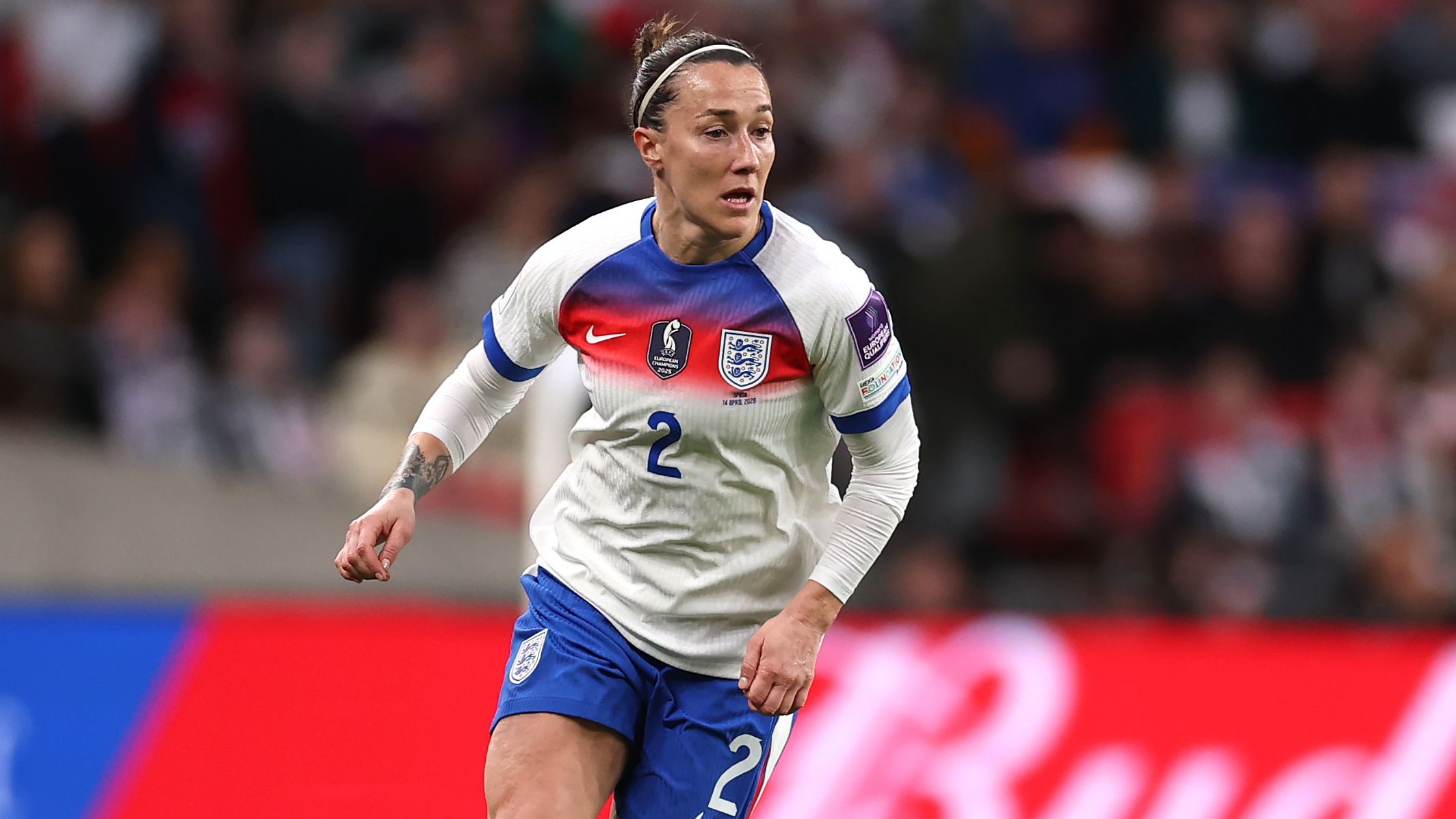
The landscape of international football remains tense as European member associations weigh up the possibility of a total boycott of FIFA-sanctioned events. This stance originated after FIFA president Gianni Infantino proposed selling stakes in various competitions to private investors, a move that met fierce resistance from UEFA’s 55 member nations.Bronze, speaking during Chelsea’s pre-season tour in New Zealand, made it clear that the players are prepared to follow through with the protest if it serves the greater good. 'I think the players who play in those competitions, the European players, we stand by our beliefs and what the right thing is for our game,' she stated.The immediate fallout of such a boycott would be felt most acutely in the women’s game, with several high-profile tournaments looming on the horizon. The FIFA Under-20 Women’s World Cup is scheduled to begin on September 5, and it features a strong European contingent including England, France, Italy, Portugal, Spain, and the host nation Poland.Bronze acknowledged the gravity of the situation but remained focused on the broader perspective. 'And if that means boycotting competitions, then that has to happen,' she explained, reinforcing the idea that the threat of withdrawal is not a hollow one. The defender’s comments suggest a unified front among elite European players who are increasingly concerned about the direction FIFA is taking the game.For Bronze, the motivation for supporting such a radical move is rooted in a desire to leave the sport in a better state than she found it. She argues that the fight against private investment stakes is about more than just current politics; it is about the legacy of the sport for decades to come. 'It's for the future of the game and not just for me today and tomorrow. It's for all the little girls or little boys who come after us to make sure that they're in a good place when the game's moving forward in decades to come, not just tomorrow.'This long-term vision highlights a growing trend of athlete activism within the women’s game, where players are frequently at the forefront of battles for better conditions and governance. Bronze’s insistence that the boycott is 'for the future' serves as a rallying cry for her teammates and peers across the continent. This comes even after FIFA backtracked on its controversial plans and Infantino issued an apology for his 'errors'; however, UEFA confirmed in a statement on Thursday that the boycott remains on the table.The stakes will only heighten as the qualification process for the 2027 Women’s World Cup in Brazil continues. In October, England, Northern Ireland, Scotland, Wales, and the Republic of Ireland are all scheduled to compete in vital qualifiers. If the UEFA boycott is upheld, these teams would not feature in the play-offs, effectively ending their hopes of reaching the finals.Losing the cream of European talent would leave FIFA with a significantly diminished product and could lead to a permanent fracture in the relationship between Zurich and Nyon. This fracture would be felt immediately across age-group football, with the Under-17 Women's World Cup also scheduled to take place in Morocco in October. However, the message from the England camp remains clear: the integrity of the sport is not for sale.


Most Popular



Hall of Fame Game
17 hours ago