
Football fan took his own life after using illegal ‘predatory’ betting sites, inquest told
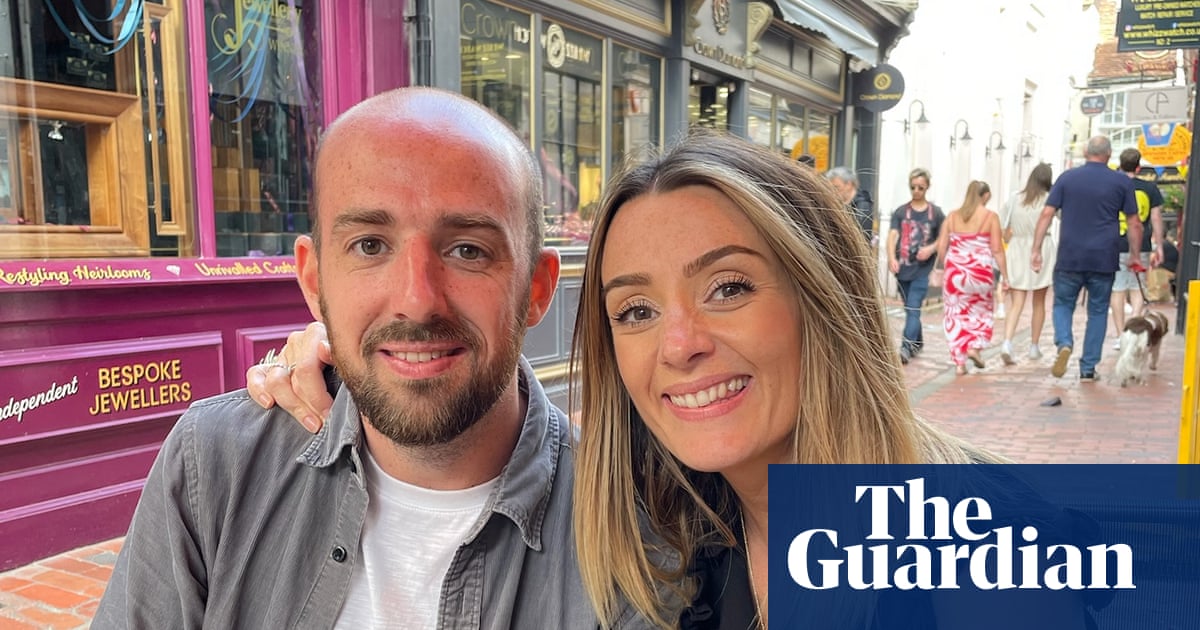
A football fan took his own life after his love of the sport fuelled a gambling addiction that led him to bet with illegal offshore operators that “prey on” vulnerable people, a coroner has heard.Ollie Long, from Wendover in Buckinghamshire, died in February 2024, aged 36, after struggling with his addiction for eight years.In statements read by Long’s sister, Chloe, East Sussex coroner’s court in Lewes heard the “endlessly kind” Liverpool FC fan had started gambling through his passion for football and won £15,000 through a sign-up offer.She said the gambling websites he went on to use were “highly addictive, predatory systems designed to exploit”.The court heard the sites included illegal offshore operators that target UK consumers who have signed up with the the country’s self-exclusion scheme, GamStop, promoting themselves online as “Not on GamStop”.Tim Miller, the executive director of research and policy at the Gambling Commission, told the court that some of those sites were run by “sophisticated international criminal networks”.He also criticised Meta, the owner of Facebook and Instagram, for failing to take down Not on GamStop adverts without being requested to do so.Chloe Long said it was evident from notes that her brother had left for his relatives that gambling had “altered his perception of himself … and had made him believe that he was better off dead”.The court heard that, as well as being diagnosed with a severe gambling disorder, Long had a history of anxiety, depression and cannabis use.His family submitted a psychiatric report to the court that described the drug use as secondary to gambling.“We firmly believe that his death was caused by his addiction to gambling, which he felt powerless to escape,” they said in a statement to the court.The senior coroner for East Sussex, Laura Bradford, said gambling and cannabis were “both relevant to mention as part of the factual matrix that led to Ollie’s death”.But she declined the family’s request to list gambling as a cause of death. She concluded instead that the cause was multiple injuries and that Long had died by suicide.In a section of the ruling dedicated to action that can be taken to prevent future deaths, Bradford said more could be done to highlight the risks posed by illegal gambling sites, and that she would send a report to government departments. People may not be aware they were gambling on an unlicensed site, she said.Long began betting on football with well-known licensed bookmakers, including Bet365, SkyBet and Betfred, according to evidence gathered by his family and previously shared with the Guardian.After recognising that he had a problem, he had begun receiving treatment for gambling addiction and signed up with GamStop.The scheme allows consumers to bar themselves from all online bookies and casinos for between six months and five years. GamStop shares data with licensed operators, which lock the customer out of all forms of gambling.But, as the Guardian has previously reported, an international network of unlicensed sites has targeted those who self-exclude by promoting themselves using phrases such as “Not on GamStop”.Such searches or adverts typically lead through to affiliate websites that list the “best” casinos and bookmakers not covered by GamStop.They are not on GamStop because they do not have a licence to operate in Great Britain, where compliance with the scheme is a legal requirement.During the final months of his life, Long placed more than 50 bets with what appear to be illicit online casinos via payment providers in Stockholm and Lagos, according to bank statements and interviews with his family.According to some estimates, gambling firms without a licence from the Gambling Commission are taking billions of pounds of bets in the UK illegally every year through dozens of easily available online brands.Miller told the court said such sites were “deliberately seeking to target people who are already experiencing harm” and were set up to “prey on” such people.He said some were advertised on social media sites such as Facebook. He described Meta’s actions to stop such adverts as “slightly disappointing” because they were “choosing not to” take down ads until they were asked. The Guardian has approached Meta for comment.The Guardian has previously found that many of the most popular of these websites appear to be owned and operated by a company called Santeda International. The company has a gambling licence in Curaçao, a Dutch-Caribbean island with a reputation for harbouring illicit gambling websites.A spokesperson for Santeda International has previously declined to provide details about its ownership. The spokesperson denied that Santeda targets self-excluded gamblers and said it had safer gambling tools in place.The chancellor, Rachel Reeves, allocated an extra £26m over three years to the Gambling Commission in November’s budget to help it tackle the illegal gambling market. The commission is also expected to be granted new powers to take down websites.In the UK and Ireland, Samaritans can be contacted on freephone 116 123, or email jo@samaritans.org or jo@samaritans.ie. In the US, you can call or text the National Suicide Prevention Lifeline on 988, chat on 988lifeline.org, or text HOME to 741741 to connect with a crisis counsellor. In Australia, the crisis support service Lifeline is 13 11 14. Other international helplines can be found at befrienders.org



Most Popular


Dual Season Starts With UC Davis
15 hours ago

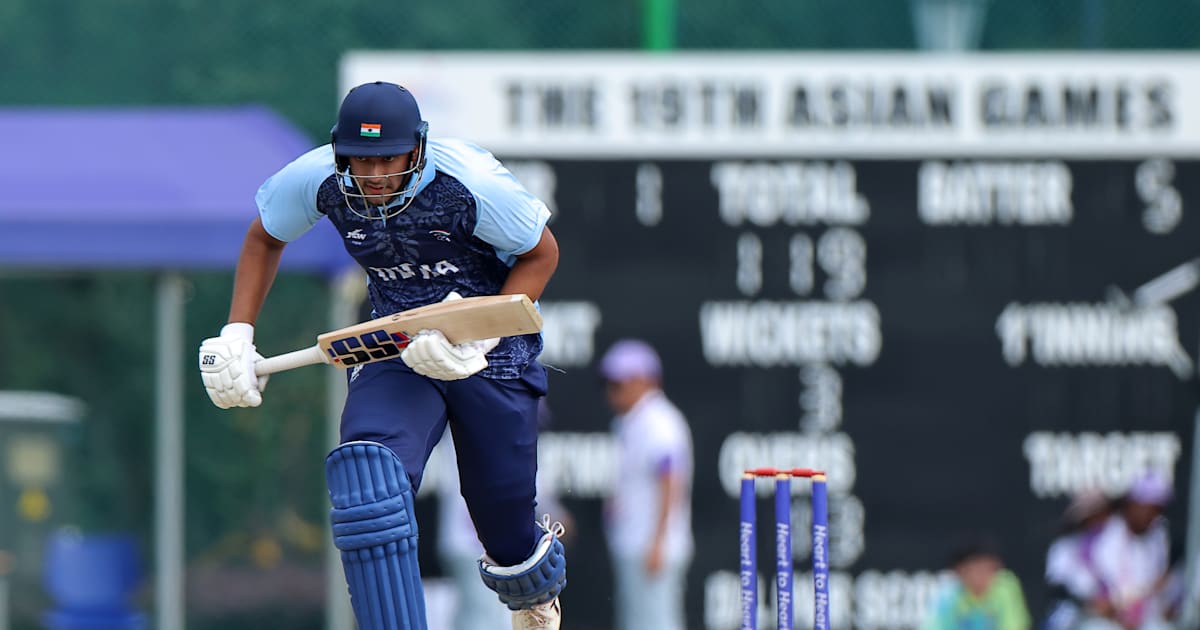
Asian Games 2026 cricket schedule
10 hours ago