Why Thomas Tuchel's England fell short at the FIFA World Cup 2026
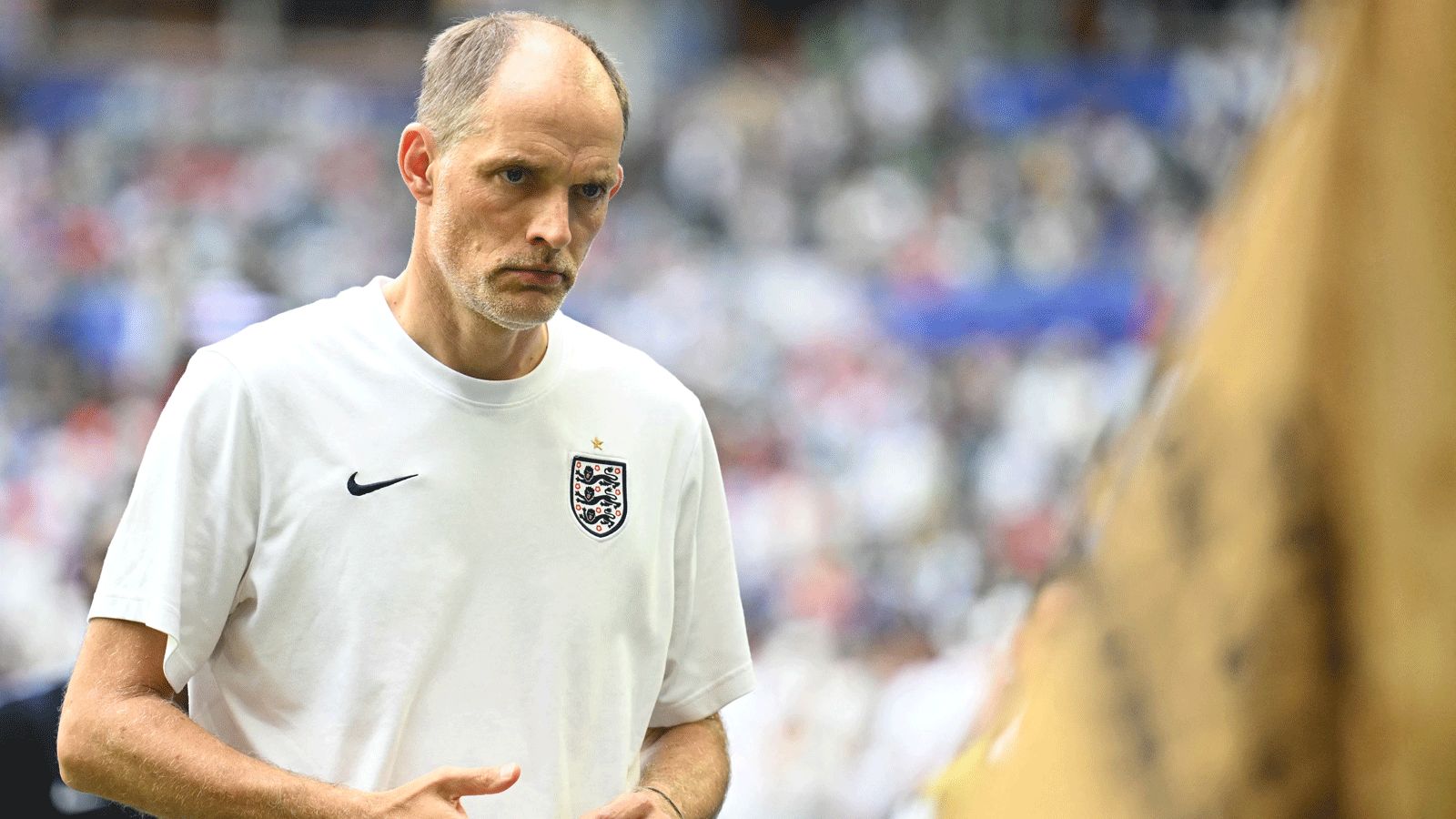
England entered the tournament as one of the favorites to go all the way and expectations were understandably sky-high after appointing Thomas Tuchel, who is heralded as one of the best knockout coaches, yet they fell short despite the immense talents at their disposal.The Three Lions failed to fulfill expectations at the FIFA World Cup 2026 by exiting the competition at the semi-final stage to eventual runners-up Argentina. Now that the dopamine from the World Cup has died down a bit, this piece looks to highlight some key factors behind England's failure.Player first vs System first approachThomas Tuchel initially raised a few eyebrows when he chose to leave out players like Palmer, Foden, and Trent Alexander-Arnold, who are regarded as generational talents, in favor of what many fans considered to be inferior talents taking up their place.Tuchel's selections suggested a preference for tactical fit over accommodating as many creative stars as possible. He favored direct wingers like Saka, Rashford, Gordon, and Madueke, who are more naturally inclined to hold width and stretch the pitch, thereby creating space centrally for the likes of Kane, Bellingham, and Rogers to wreak havoc.This idea made sense in theory, but across the tournament, England often struggled when faced with compact defenses that were able to match them tactically, and needed some spark and imagination that would have made things far easier.England struggled to control the biggest momentsEngland's midfield of Rice and Elliot Anderson often struggled to keep possession and progress the ball to an elite level, and this didn't come as a surprise due to their natural profiles and temperament in possession.Tuchel's midfield selection leaned towards players who offered pressing intensity, running power, and defensive work rate, meaning they lacked enough players capable of consistently receiving between the lines, escaping pressure, and controlling possession against elite opponents.In knockout football, athletic advantages tend to diminish because the margins are so tight. Technical quality and decision-making become more valuable. England's midfield control paled next to teams like Spain and Argentina, who relied heavily on technically secure players to dominate possession and manage high-pressure moments.The defining feature of Tuchel's England was not a lack of talent to replicate what the likes of Spain and Argentina could do, but the type of talent that was prioritized. Tuchel's selections from back to front consistently favored athleticism, intensity, and defensive reliability over technical security in possession. While those qualities are invaluable, World Cups are often won by teams that can control the game's rhythm under immense pressure.England had runners, ball winners, and high-energy pressers all over the pitch, but too often lacked enough players who could receive under pressure, manipulate space with their first touch, and dictate the tempo when matches became frantic. Against the tournament's strongest opponents, that imbalance became increasingly apparent and was ultimately exposed.ConclusionEngland's 2026 World Cup campaign will ultimately be remembered as another missed opportunity. Despite boasting one of the tournament's most talented squads and appointing one of Europe's most respected tacticians in Thomas Tuchel, the Three Lions once again fell short of lifting football's biggest prize.While many will point to individual mistakes or fine margins, England's shortcomings were rooted in deeper tactical issues. From an unclear attacking identity to a squad profile that often favored athleticism over technical security, England struggled to consistently control matches against elite opposition.This analysis explores the two biggest reasons behind England's failure and examines why a team blessed with world-class talent never fully realized its potential when it mattered most.

Most Popular

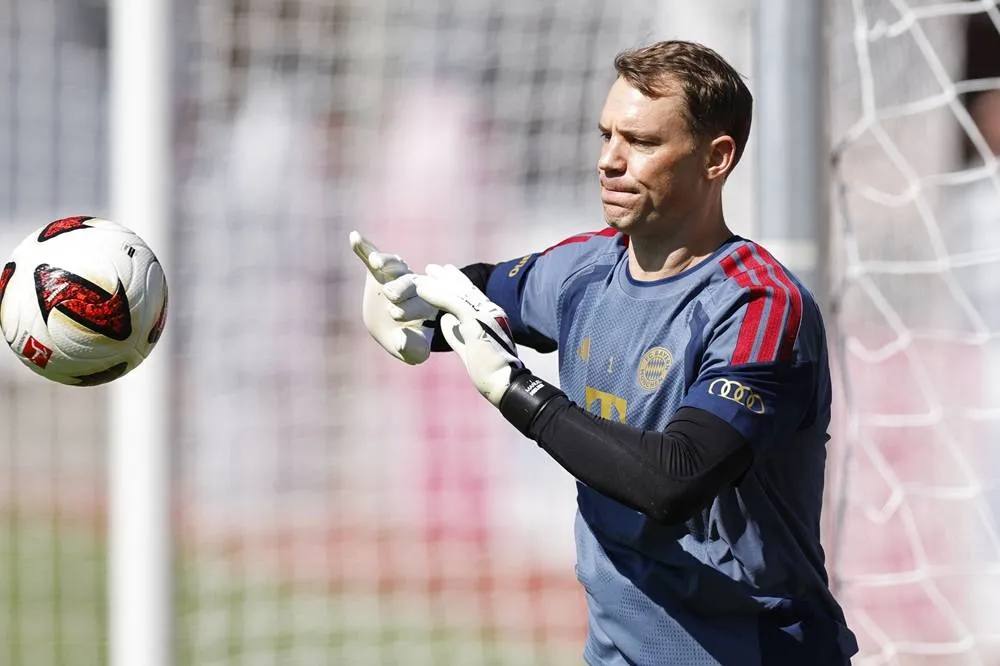
Neuer ‘Very Likely’ to Retire at End of Season
2 hours ago


Greece call up Konstas to help T20 World Cup bid
6 hours ago