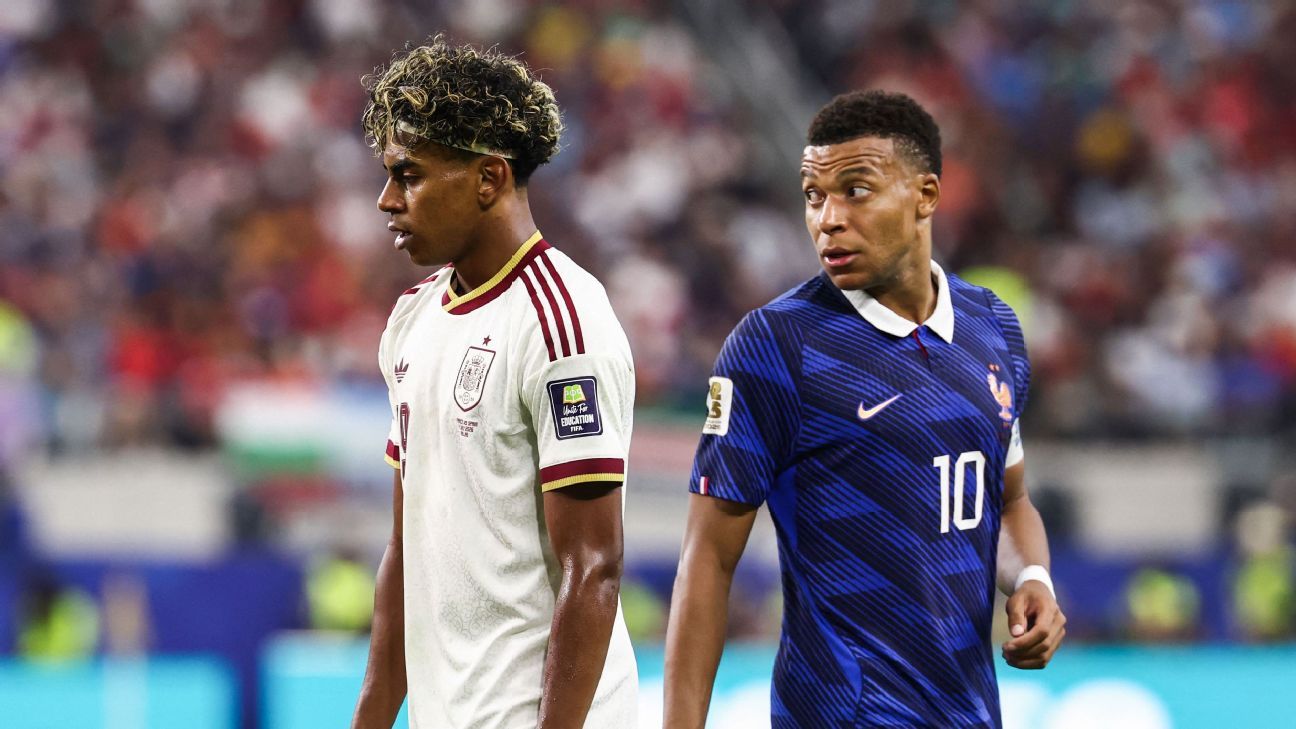
Spain 2010 vs. Spain 2026: How La Roja has evolved from possession kings to dynamic playmakers
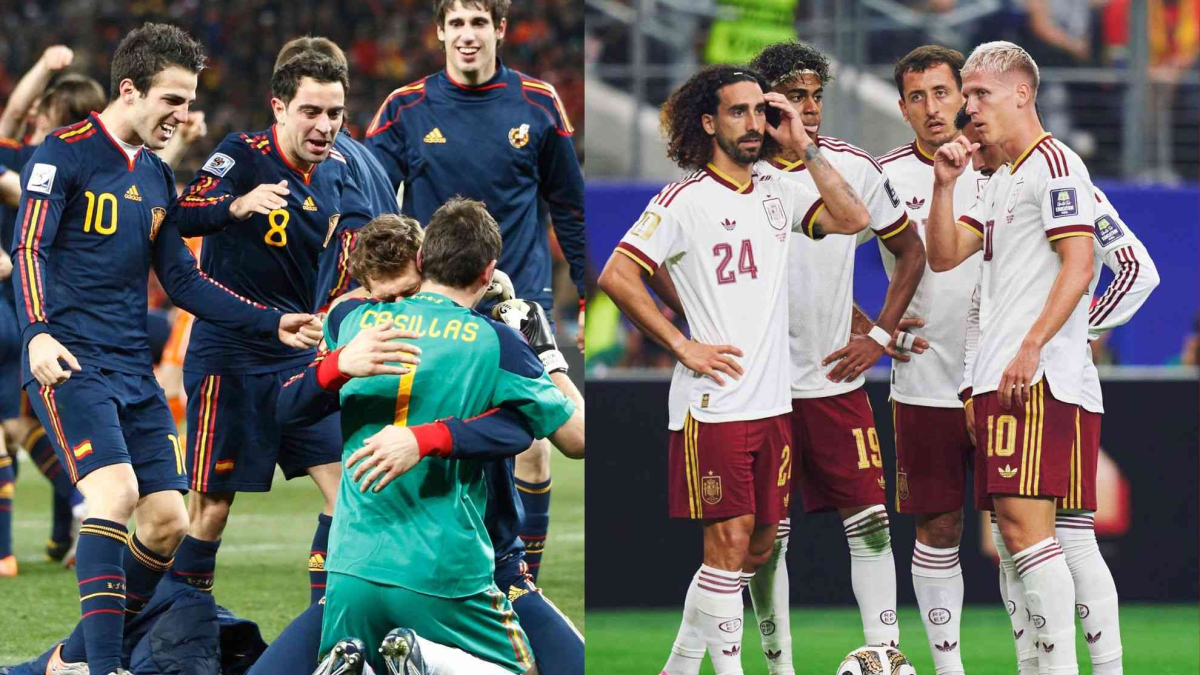
Spain is back on soccer's biggest stage, but the team preparing to play in the 2026 World Cup final looks dramatically different from the squad that lifted the trophy in South Africa 16 years ago.While both teams share a commitment to technical excellence and intelligent football, the similarities largely end there.The 2010 champions became famous for suffocating opponents through endless possession, while the 2026 squad has embraced a faster, more direct and explosive style built around one of the game's brightest young stars. Both versions of La Roja have reached the World Cup final, but they represent two very different eras of Spanish soccer.The Identity: Patience vs. verticalityThe most obvious difference lies in how each team attacks. The 2010 squad perfected the famous "tiki-taka" philosophy that dominated world soccer for nearly a decade. Under Vicente del Bosque, Spain controlled matches through relentless short passing, often recording more than 60 percent possession while patiently waiting for defensive mistakes.Every attack was carefully constructed. Xavi Hernández, Andrés Iniesta, Sergio Busquets and Xabi Alonso dictated the rhythm, wearing opponents down mentally as much as physically. The 2026 team still values possession, but it plays at a much faster pace.Instead of circulating the ball endlessly, Spain now looks to attack space quickly. The current squad is comfortable transitioning from defense to attack in just a few passes, using speed on the wings and aggressive movement in the final third. It's a more modern interpretation of Spanish football.The superstar factorThe 2010 champions were built around a collection of established legends. Rather than relying on one transcendent player, Spain overwhelmed opponents with perhaps the greatest midfield ever assembled. Xavi controlled tempo, Iniesta created magic between the lines, Busquets quietly disrupted opposing attacks, and David Villa delivered the finishing touch.Collectively, they became nearly impossible to break down. The 2026 team has elite talent throughout its roster, but one player naturally commands most of the spotlight: Lamine Yamal. At just 19 years old, the FC Barcelona sensation has emerged as one of the world's most dangerous attacking players.His ability to beat defenders one-on-one, create scoring chances and produce moments of brilliance gives Spain something the 2010 team rarely possessed: an individual capable of changing matches through pure creativity.Defensive excellence remainsOne trait hasn't changed: Spain continues to defend exceptionally well. The 2010 champions conceded only two goals throughout the entire World Cup and won every knockout match by a 1-0 scoreline. Carles Puyol, Gerard Piqué, Joan Capdevila and goalkeeper Iker Casillas formed one of the tournament's stingiest defensive units. The 2026 squad has also demonstrated remarkable defensive organization.While it may not defend exactly the same way, Spain still emphasizes positional discipline, coordinated pressing and technical composure when playing out from the back. Modern tactics have evolved, but Spain's defensive principles remain firmly intact.The age profile of the two teams also tells an interesting story. Spain's 2010 champions were entering the peak years of their careers. Many players had already won multiple domestic league titles and UEFA Champions League trophies before arriving in South Africa. Their chemistry had been built over years of playing together for Barcelona, Real Madrid and the national team.



Most Popular
World Cup 2026: England v Argentina semi-final
3 hours ago


'VAR-gentina': Has there been foul play?
1 hour ago