FIFA: VAR correctly denied Croatia equaliser against Portugal
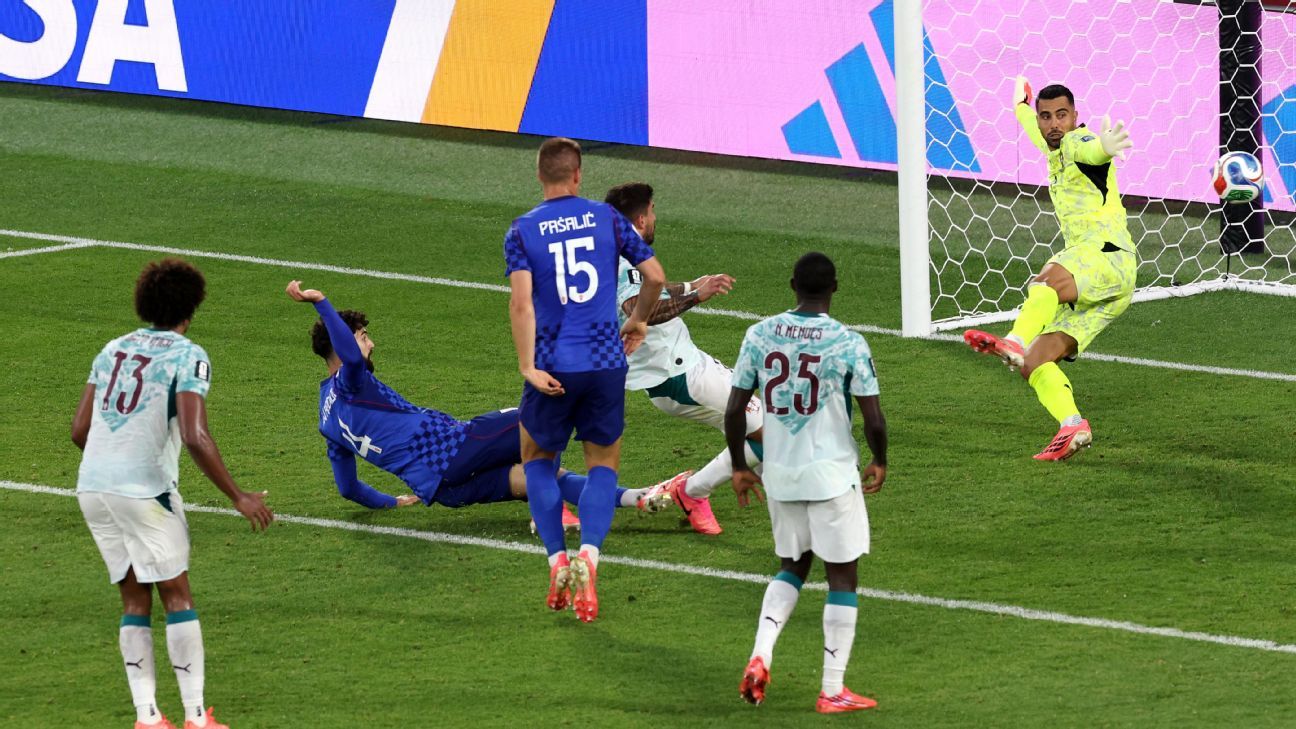
FIFA has confirmed that Croatia's equaliser against Portugal was correctly ruled out for offside due to technology housed inside the World Cup ball.Gonçalo Ramos' header put Portugal 2-1 up in the fourth minute of added time but it looked like Croatia had scored a dramatic equaliser when Josko Gvardiol nudged them level nine minutes later.Ivan Perisic sent a ball into the box, which bounced off Renato Veiga and into the path of Mario Pasalic and his touch teed it up for Gvardiol who slid home.The goal stood on the field, and it appeared from TV replays that Croatia's Igor Matanovic missed his header as he attempted to flick it on, which would have meant Pasalic was onside before setting up Gvardiol.However, referee Espen Eskas was sent to the VAR monitor and FIFA's technology inside the Adidas Trionda ball -- similar to 'Snicko' -- showed that Matanovic did get a slight touch which meant Pasalic was offside in the build-up.When the ball was next to Matanovic, replays showed a graphic with a slight spike which suggests that he did touch it, ultimately putting an end to Croatia's World Cup hopes and sending Portugal through to the last 16.The graphic displayed by FIFA on replays is similar to technology which is used in cricket to determine whether a batter has edged the ball or not, but the 'Connected Ball Technology' comes from a chip which is stored inside the balls used at the World Cup.- World Cup VAR review: Why were Croatia denied an equalizer due to a chip in the ball?- Portugal snatch victory, but should Ramos replace Ronaldo?- Modrić bows out of World Cup after heartbreaking Croatia lossFIFA explained the decision in a post on X which read: "According to the data provided by Connected Ball Technology housed within the @adidasfootball Trionda, the official match ball of the @FIFAWorldCup, it was proven that contact was made by Croatia's #20 Igor Matanovic in the build up to the goal against Portugal, allowing the referee to correctly determine offside and disallow the goal."IMU sensors housed within the Trionda ball are capable of determining any slight contact, displayed to viewers in the broadcast as a 'heartbeat graphic,' and allowing officials an unprecedented level of data to make fast, accurate decisions."



Most Popular




Wimbledon 2026: All heart from Dimitrov
5 hours ago