Tariq Babitseng Elected COSAFA President in Landmark Harare Assembly
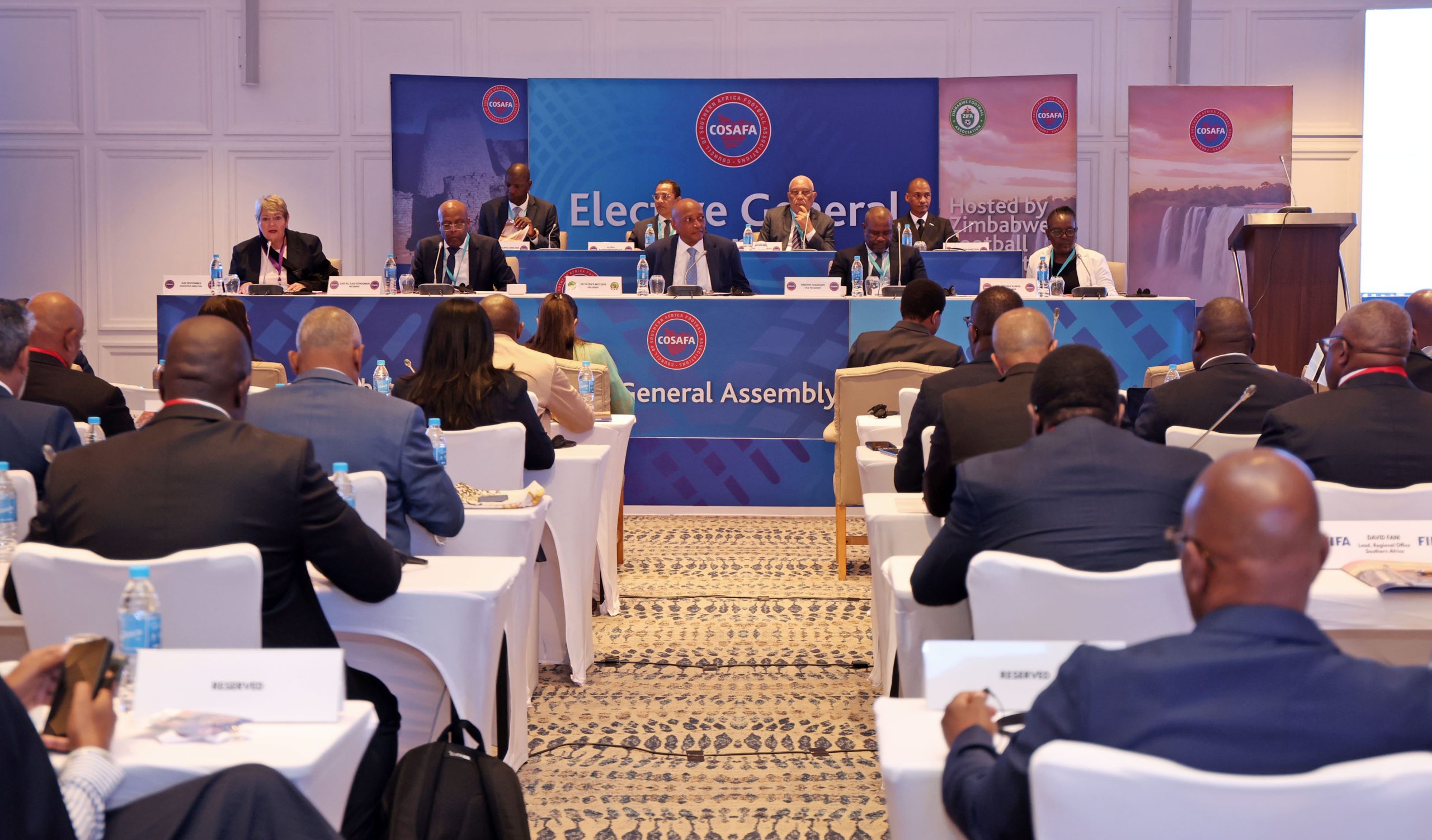
Botswana's Oabile Tariq Babitseng has seized the reins of Southern African football, emerging victorious in a pivotal election to become the new President of the Council of Southern Africa Football Associations.Confirmed during the Elective General Assembly in Harare, Zimbabwe, Babitseng's uncontested elevation marks a generational shift in regional sports administration. Tasked with revitalizing youth tournaments and boosting the global competitiveness of Southern African teams, the new executive committee takes charge at a critical juncture for continental football and its underlying economic infrastructure.A New Era for Southern African FootballThe assembly in Harare concluded with a unified mandate for the new leadership. Babitseng, who has a storied history in Botswana's football administration, steps into the role with a clear vision for structural reform. He is joined by Vice-President Alfred Randriamanampisoa of Madagascar, forming a leadership duo that represents both the mainland and island nations of the region.The newly minted Executive Committee includes prominent figures such as Dr. Brenda Kunda of Zambia, who secured the reserved women's seat, alongside ordinary members Lijane Nthunya of Lesotho, Nqobile Magwizi of Zimbabwe, Robert Shimooshili of Namibia, and Peter Simelane of Eswatini. This diverse coalition is expected to drive a highly ambitious developmental agenda.Strategic Priorities and Financial StakesThe financial implications of regional football dominance are staggering. Successful national teams and thriving club franchises attract multi-million-dollar sponsorships and broadcasting rights. Babitseng's administration is tasked with securing enhanced commercial partnerships to fund the expansion of youth and women's tournaments.In East Africa, football administrators in Nairobi are watching closely. The CECAFA region frequently benchmarks its progress against COSAFA's well-oiled organizational machinery. A thriving COSAFA translates to stronger continental competition, pushing East African federations to increase their own investments in grassroots development, which currently exceed KES 2.5 billion annually across the Kenyan leagues.Oabile Tariq Babitseng elected uncontested as COSAFA President.Alfred Randriamanampisoa confirmed as Vice-President.Dr. Brenda Kunda elected to the reserved women's executive seat.The regional football economy generates an estimated KES 18.4 billion annually in sponsorships and broadcasting.Bridging the Regional DivideOne of the persistent challenges facing African football is the glaring disparity in infrastructure and technical capacity between different regional blocs. COSAFA has historically led the way in hosting consistent, high-quality tournaments that serve as vital stepping stones for players seeking lucrative contracts in European leagues.Experts at the Confederation of African Football note that Babitseng's primary challenge will be ensuring that smaller member associations are not left behind. By expanding coaching and refereeing capacity building programs, the new administration hopes to level the playing field, ensuring that talent from Eswatini or Lesotho has the same global visibility as talent from South Africa.Historical Context and Future AmbitionsThe election comes at a time when African teams are increasingly embracing CAF Interclub football, demanding higher standards of governance. The historical baggage of administrative infighting has often derailed regional progress, making Babitseng's uncontested victory a crucial signal of unified intent.With the 2026 FIFA World Cup on the horizon and expanded slots for African nations, the pressure to produce world-class squads has never been higher. The COSAFA region aims to secure multiple qualification spots, a goal that requires unprecedented cross-border cooperation and elite technical preparation.The elevation of Tariq Babitseng is not merely an administrative reshuffle; it is a declaration of intent. How this new executive committee navigates the treacherous waters of modern sports politics will ultimately dictate the future trajectory of Southern African football.



Most Popular