Tottenham brace for big changes as focus on 'Spursy' mentality and injury crisis

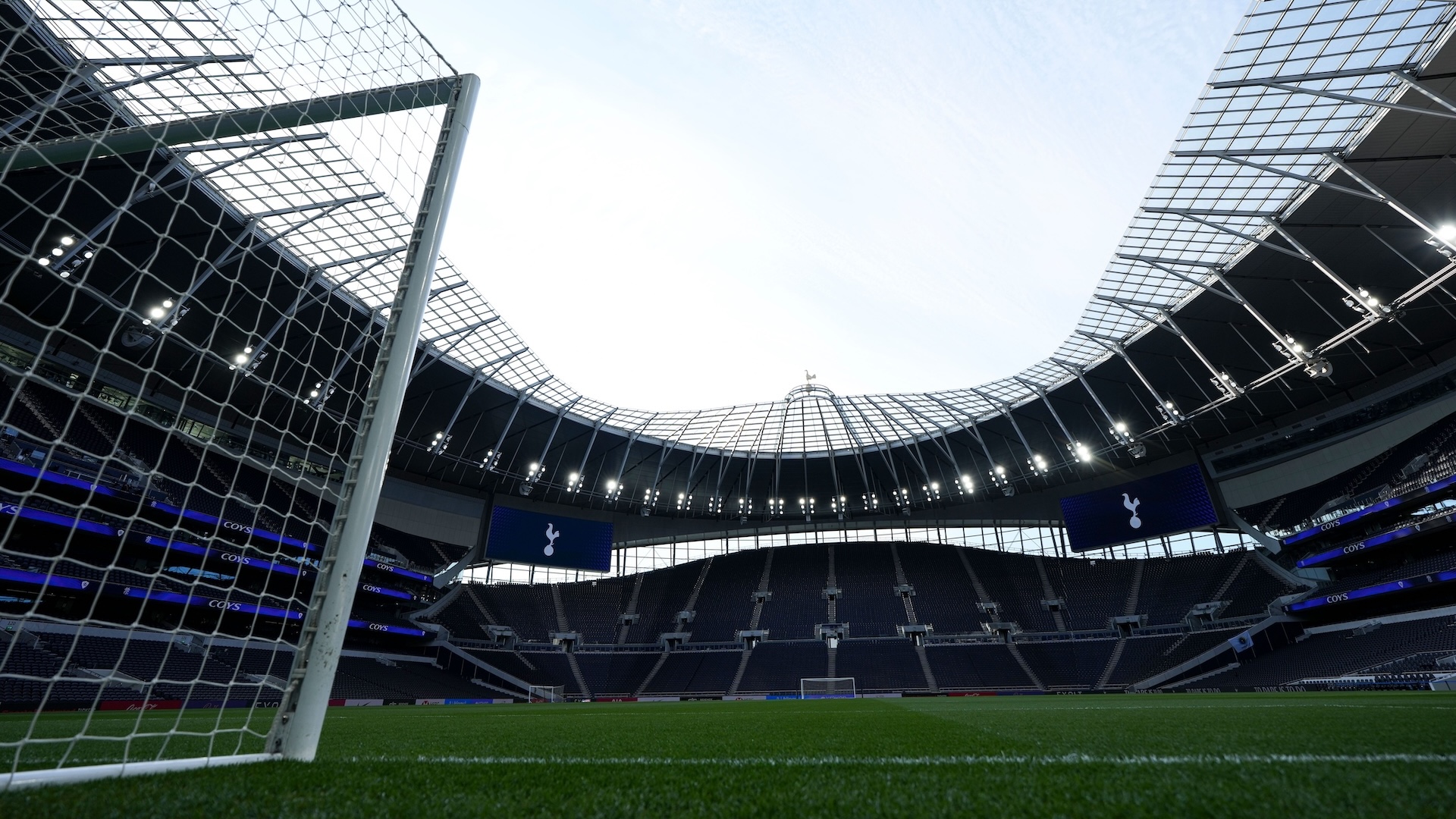
Tottenham have launched an internal review into their wretched Premier League season. It includes bringing in a psychologist to banish 'Spursy' thinking, ending their horrendous injury record and even an investigation into their retractable stadium pitch.The north London club escaped relegation on a nervy final day thanks to Roberto De Zerbi turning their season around with 11 points from their final six games. Spurs' sporting director Johan Lange's future at the club is in serious doubt, following a disastrous 12 months with four different head coaches, and the Dane could end up in a supporting or handover role to an incoming new world-class sporting director.Just two points separated Tottenham from the Championship this season, and they were not helped by suffering more injuries than any other Premier League club, many of them serious. James Maddison, who has just returned after his partially torn anterior cruciate ligament fully tore last summer, hit out at the problems.READ MORE : Antonin Kinsky's incredible comeback from Madrid nightmare to Tottenham legend statusREAD MORE : Johan Lange's Tottenham future in real doubt as sporting director hunt intensifies"Our situation with the injuries has been worse than any other club," the midfielder told reporters following Tottenham's win over Everton. "People try and say 'Oh, but we've got this and that', but ours is astronomical, and we need to look at why that is."There is an understanding that a major internal investigation has been ongoing behind the scenes at the north London club, led by new performance director Dan Lewindon, who arrived in February from the City Football Group and found significant challenges within Spurs. He joined the club after serving his notice period with City and walked through the doors at Hotspur Way the day before Thomas Frank departed the club.Tottenham's medical and performance departments have also undergone huge turmoil in recent years. After a long period of stability under the head of medicine and sports science, Geoff Scott, the New Zealander, left in 2024 following more than two decades of service and is now at Nottingham Forest.Then director of performance services, Adam Brett and the head of sports science, Nick Davies, both left Tottenham after only a year in charge of their departments. Nick Stubbings joined Spurs last summer as the men's team's medical lead after 11 years at Brentford, following Frank and various other former Bees across the capital to north London.It is Lewindon, though, who is the man leading Tottenham's changes. He has a background in performance, science and medicine across the top levels of football, tennis and rugby, and Spurs believe he will finally rid them of the injury woes that have brought double figures of players out for too many matches in the past three seasons.There is a belief that De Zerbi has already struck up a good relationship with Lewindon, with the pair regularly chatting about the improvements needed to the club's performance and medical departments to bring them in line with the world's top clubs.JOIN US ON FACEBOOK!Latest news, analysis and much more on Mirror Football's Facebook pageNon-executive chairman Peter Charrington confirmed on Monday that moves will happen to "modernise our football operation, with a significant focus on raising standards across medical and performance".It's not just on the pitch that De Zerbi's way have had an impact. The 46-year-old is understood to have impressed many in the medical department already by being clear and consistent in his approach, despite the pressure to deliver results, as he did not want to take unnecessary risks with players.Those who have been in rooms with the Italian say he has been keen for as much feedback as possible to make the right decisions about when to bring players back into the fold, as he has looked to prioritise the individual over the need for victory.The new man Lewindon is already involved in an investigation into whether the Tottenham Hotspur Stadium's retractable pitch - which slides under the south stand for NFL games and concerts to take place - has played a part in the string of ACL injuries, with five at Spurs in recent years alone, which there is an acceptance within the club as being too many. Real Madrid have also suffered a large number of injuries since installing their retractable surface.To ensure that this is not just a coincidence, early external independent tests on each match day are understood to have so far shown no difference in the bounce and spring of Tottenham's stadium pitch to the Hotspur Way training turf, but more detailed analysis is set to take place over time to ensure a deeper review.Some ACL injuries are just unfortunate, as with those to Xavi Simons and Wilson Odobert. As with all injuries, the handling of Xavi's injury at Molineux was by the physios was reviewed and supported, with the player keen to continue but unable to do so. There is a belief that they took the necessary precautionary steps and that no additional damage was done to the Dutchman.There is also the mental side, as well as the physical. At a club often slapped with the term 'Spursy' due to their tendency to self-destruct, Lewindon has been central in pushing for a new lead psychologist to be recruited and to work full-time with the players and staff who work with them, helping them all deal with the pressure of top-level sport.De Zerbi has made it clear to those inside the club that he sees part of his role as being a psychologist to his players, and that has been evident with frequent individual meetings with them and restoring confidence at every turn in that vital run of results toward the end of the season, including the use of video footage of their best moments from Spurs matches and at past clubs.To increase the focus on individuals, Lewindon is also said to be looking to change the way Tottenham deal with injuries and recovery with a switch towards a more integrated style, involving a pod-based model where four to six players have an integrated approach around them with a physio and sports scientist concentrating on that small group rather than having a wider remit.Like teachers with fewer students to focus on, that switch is due to help staff better understand the players' needs as individuals and their positions on the pitch, which should lead to better shared decision-making about training and physical preparation.That fits with De Zerbi's belief that the club must deliver better support to players at an individual level and properly understand them personally, in their family lives, and in their positions on the pitch, to enable them to challenge at a high level.Spurs are also looking to improve the trust players have in their medical department, with some at times putting their faith in staff from previous clubs or their international medics. All football clubs work in conjunction with the growing number of performance staff that modern players employ individually, as well as their international counterparts, and Tottenham are looking to strengthen that bond among all parties to ensure the player receives the best treatment through a single, agreed-upon plan that everyone involved approves.There could be changes behind the scenes to staff once Lewindon's review is complete, with fresh ideas and new personalities expected, and better integration between departments, more emphasis on understanding individuals and also changes in the type of transfers Tottenham make in the market to bring in more robust players for De Zerbi's energetic style.There is also an acknowledgement within the club that the high turnover in managers has contributed to the injuries, with frequently changing training sessions, the new head coach sometimes pushing their players harder, as well as players pushing themselves beyond their limits to impress the new man each time.Tottenham know they cannot suffer another season like the one just gone, and having more players available for De Zerbi to select will go a long way to helping that. Results are unlikely to be seen instantly, but over time, Spurs hope that Lewindon's course correction will bear fruit and result in far fewer injuries.

Most Popular


Wilting Zheng feels heat in Paris
7 hours ago