
Ex-Lions Star Alphonso Smith Jr. Dies at 40 Hours After Sharing Troubling Social Media Post
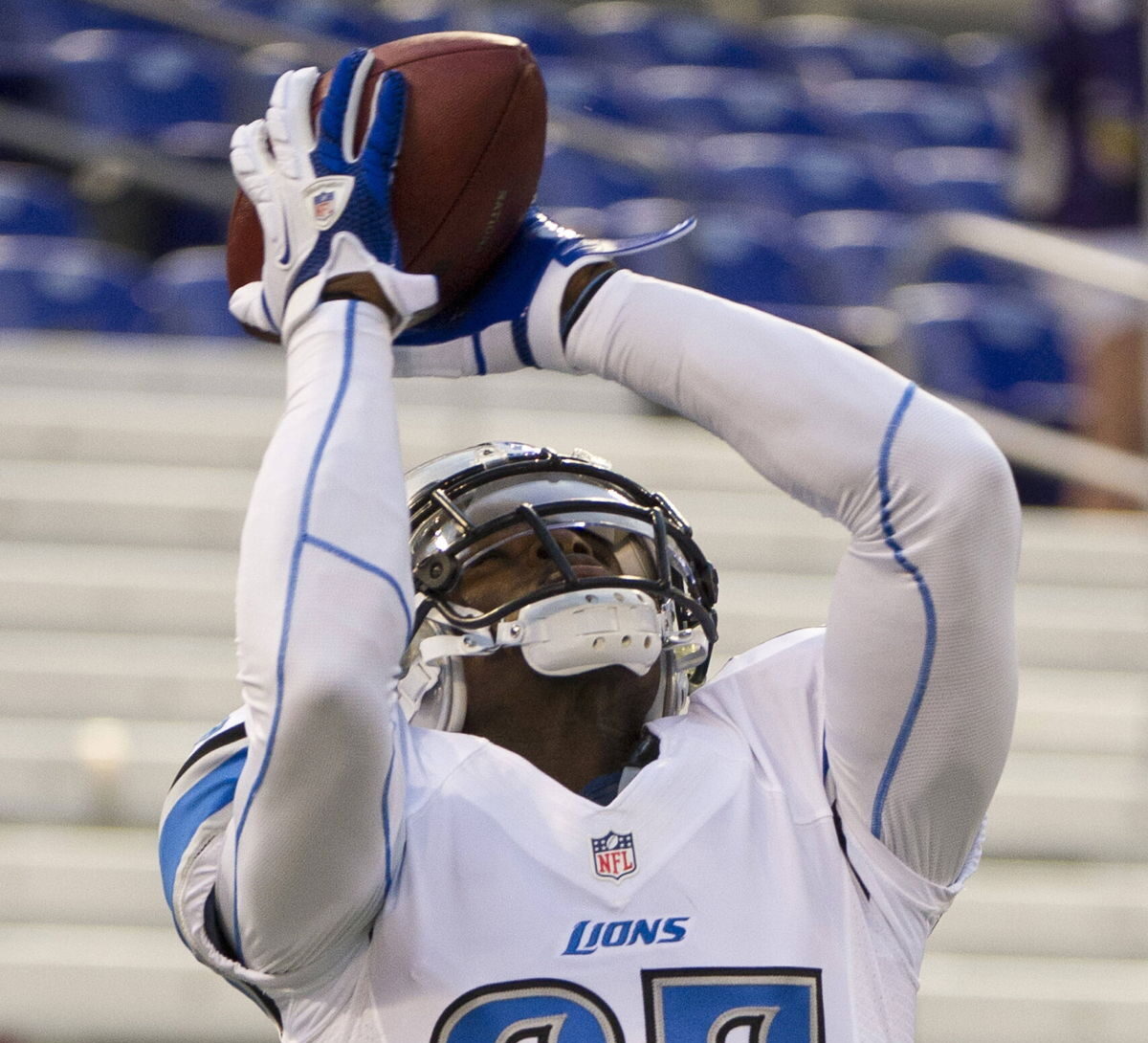
Former Detroit Lions cornerback Alphonso Smith Jr. has died at 40, just hours after a social media post that left fans and former teammates unsettled. Smith spent parts of four seasons with the Denver Broncos and Lions. Details around his death remain limited, but the timing of that post has people asking hard questions.According to sources who spoke with TMZ Sports, the former Smith died by suicide on Wednesday at a housing community in Florida. He was 40.ADVERTISEMENTHis NFL career started with the Denver Broncos, who drafted him in 2009. Denver had traded with the Seattle Seahawks that year to draft him, giving them a first-round pick in 2010 in return.That stint didn’t last long, though. Denver traded him to Detroit just a year later, and Smith made the most of his first season with the Lions, picking off a career-high five passes. He followed that up with three more interceptions the next year, but 2012 was rough.ADVERTISEMENTHe only appeared in four games before Detroit waived him that November, and no other team picked him up after that. Over four NFL seasons, Smith played in 42 games, made 87 tackles, and grabbed eight interceptions.Before he stepped onto an NFL field, Smith was tearing it up at Wake Forest. He played there from 2004 to 2008 and closed out his college career with All-American honors. The numbers back it up too. In 2007 and 2008, he led all of Division I in interceptions, picking off eight and nine interceptions those two seasons.ADVERTISEMENTIn 2007 alone, he also returned three interceptions for touchdowns, another stat that topped the country. Wake Forest inducted him into its athletic hall of fame in 2022. He remains one of the best players in the program’s history, and his college career total of 21 interceptions remains unbroken in the Atlantic Coast Conference.He came to Wake Forest after Florida State had pulled an offer, and he had withdrawn his pledge from Pittsburgh.ADVERTISEMENT“He is one of my all-time favorite guys who I have coached,” Dean Hood, Wake Forest’s former defensive coordinator, said. “I have some grey hairs I can attribute to Alphonso.”“The growth, the gratification and the education that I got at Wake Forest was transformational,” Smith told the program. “What Wake Forest did for me was a lot greater than what I did for them.”ADVERTISEMENTWhat’s made this loss especially hard for people to process is the message Smith left behind. In a final Facebook post, he opened up about a battle that had clearly been building for a long time.“Do not cry for me!” he wrote. “I tried everything in my power to fight the demons behind the ones that someone put into ME! I did not want to be that WAY!”ADVERTISEMENTHe apologized repeatedly throughout the post, called himself a coward, and referenced abuse he says he suffered as a boy at the hands of an older woman. He closed the post with the words, “I am SORRY! THIS IS IT!”Sadly, Smith’s death isn’t an isolated tragedy in the NFL community. Just this past July, former Patriots guard and Super Bowl champion Jordan Devey died by suicide at 38, not long after the death of Marshawn Kneeland, who had been dealing with stage 1 CTE before he passed last year.It’s part of a troubling pattern too. Research from the Football Players Health Study found that after 2010, NFL players became 2.6 times more likely to die by suicide compared to athletes in the MLB and NBA.ADVERTISEMENTThe NFL has resources in place for exactly these situations. Back in 2012, the league funded the creation of the NFL Life Line, a free and confidential crisis service open to current and former players, coaches, staff, and their families. It runs 24 hours a day, every day of the year, and anyone can reach a trained counselor by calling (800) 506-0078.Those who watched him play and knew him personally are sending their condolences to Smith’s family and friends during this difficult time.



Most Popular

Wolfe: Falcons plan to start Penix ‘eventually’
2 hours ago


