Play it again (for) Sam - The peril of repeat pairings
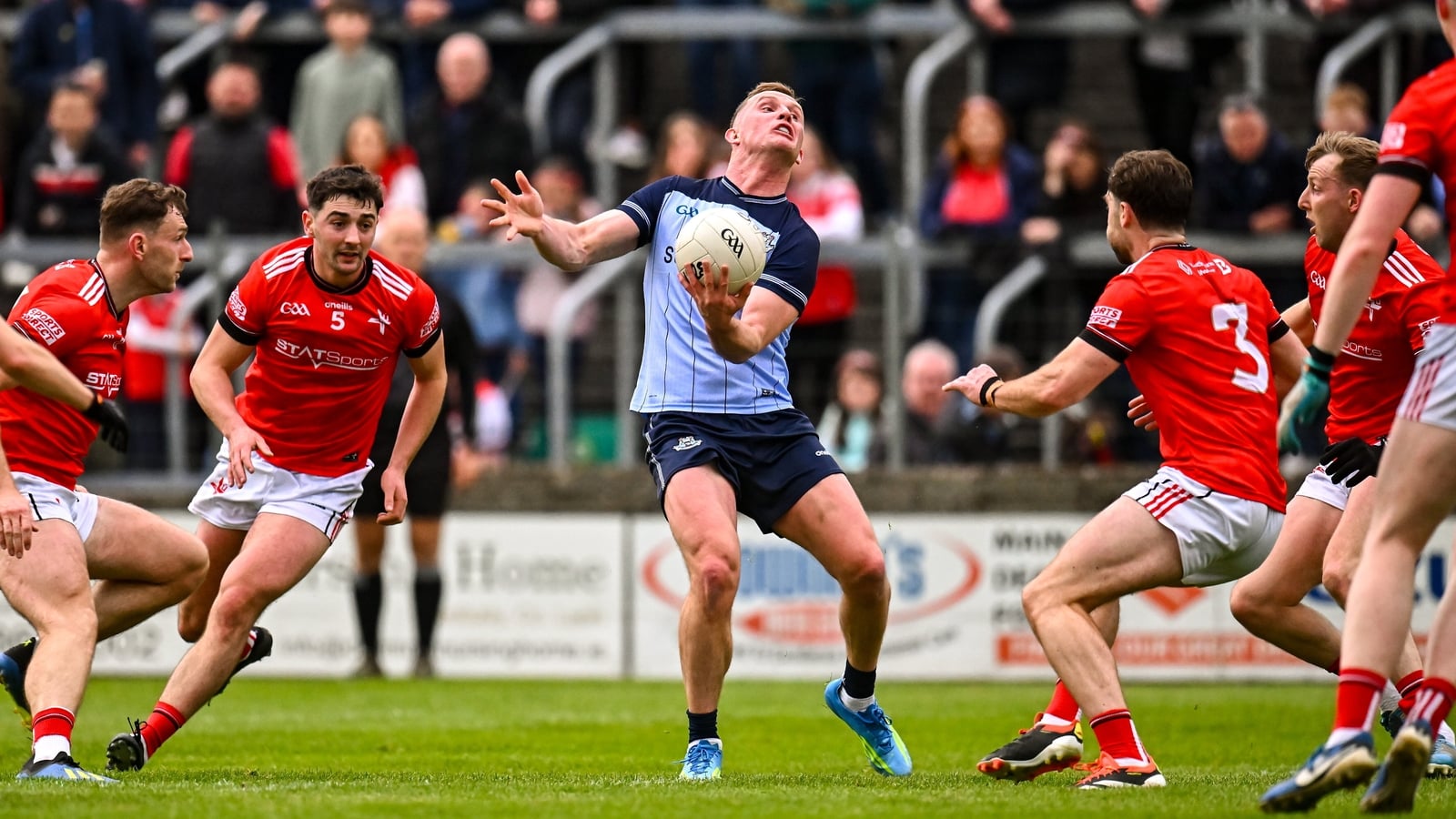
When Louth and Dublin meet in the All-Ireland series this afternoon, it will be the 33rd time – excluding replays – that there has been a repeat pairing in championship football.Of the previous 32, 15 games have seen a different result in the second meeting – just shy of 50%.There are a myriad of reasons for that - an underdog losing their shock value, a side bolstered by player returns or, crucially, the game being played on a different psychological battlefield.For Louth, they will be hoping they can cultivate some change as they try and overcome their recent 0-20 to 0-10 Leinster final loss to Ger Brennan's side."One of the most important psychological dynamics in repeat championship match-ups is how teams calibrate the gap between the expected demands of the game and the actual demands they encounter once the contest begins," explains Gareth Fox, a mental skills coach who has worked closely with a number of top GAA teams."Teams tend to perform best when their expectations accurately match reality. Problems emerge when a team either underestimates or overestimates what the occasion will require emotionally, physically and tactically."For the team that previously won, the psychological danger is often complacency or assuming the rematch will resemble the first encounter. Familiarity can create a false sense that they already understand the challenge."But repeat championship games are rarely emotionally symmetrical. The losing side usually returns more motivated, tactically adjusted and psychologically driven by the pain of the previous defeat. The winners therefore have to resist preparing for the memory of the previous game instead of the reality of the next one."Fox is not shocked to see so many rematches result in a different result with the original winning side often facing a different kind of pressure."Instead of chasing success, they are now trying to protect status or expectation, which can create a very different emotional environment from the first meeting."For the previous losers, the challenge is often the opposite. They can overestimate the demands because the emotional residue of defeat still lingers."Teams sometimes begin preparing for the memory of the loss rather than the actual contest in front of them. That can create tension, anxiety and an urge to force redemption too early."In psychological terms, they risk making the game bigger than it really is."At the same time, losing the first encounter can provide an important advantage because the unknown has disappeared. They now understand the pace, pressure and emotional intensity of the occasion."Often, teams lose an initial game because the event itself overwhelms them. In a rematch, they can arrive with greater emotional realism and composure because they know what the demands truly feel like.""And I'll tell you, we will go further than Fermanagh."The words of Donegal manager Mickey Moran may have appeared laced with bad sportsmanship after their Ulster preliminary round replay loss to the Erne County in 2001, but they proved quite prophetic.Indeed, the Tir Chonaill needed only 29 days to make sure of that as they became the first county to win a repeat fixture after the qualifier system was introduced for that season.For the record, there were five repeat pairings in that first season – Derry and eventual All-Ireland champions Galway gaining retribution for earlier defeats to Tyrone and Roscommon respectively while the Oakleaf County picked up a pair of wins over Antrim while Meath also did the double over neighbours Westmeath, the latter after an All-Ireland quarter-final replay at Croke Park.Donegal didn’t make it that far as Kildare knocked them out in Round 2 of the qualifiers, but they did at least make it further than Fermanagh."I remember it like it was yesterday, Mickey Moran was sick as a dog after it," said Fermanagh’s Ronan Gallagher, who was in goals for the Ulster replay win when Mark O’Donnell nipped in for a late winning goal."In his interview afterwards he said that in the new system they might go further, he was sick to the back teeth and it was robbery to be honest about it. We shouldn’t have won the game."John Maughan was over us and we got the goal, they came down and kicked a wide and I was just going to bang it long. Maughan appeared behind the goal shouting at me "it has to go short, it has to go short.""I looked at him and said "what are you on about", but Barry Owens dipped out to my right away from Jim McGuinness and I clipped it out to him and we won the ball."After a narrow Ulster quarter-final loss to Monaghan, Fermanagh were pitted against Donegal once again and Gallagher said that their preparations probably weren’t ideal, although he has sympathy for the management."Maughan ran us into the ground the Wednesday after (the Monaghan game) at St Michael’s (college)."There was the whole chat at the time, 'what is Maughan doing?’"But it was just such a psychological struggle at the time. This was new, there was the whole unknown to it at that stage."Such issues won’t impact Louth and Dublin, repeat pairings have become a real possibility and there is an evidence book to lean on now when it comes to preparing for such situations.Louth have been on the wrong end of it previously when Westmeath reversed the result in 2012, while Dublin have twice managed to back up their first victory – against Tyrone in 2018 and Kildare three years ago.What odds Louth changing the result of their recent Leinster semi-final? Ah, just under 50%, it seems.* Laois' two-game saga with Armagh in 2016 has been excluded from the list as the original fixture was voided and a rematch ordered, while we are also ignoring the rematches ordered in the boardroom in the early part of the GAA’s history when objections were common place.Listen to the RTÉ GAA Podcast on the RTÉ Radio Player, Apple Podcasts, Spotify, or wherever you get your podcasts, and email us at sportpodcasts@rte.ieYTWatch Mayo v Monaghan in the All-Ireland Football Championship first round on Sunday from 3.30pm on RTÉ2 and RTÉ Player. Follow our live blog on RTÉ.ie/sport and RTÉ News app and listen to Saturday Sport on RTÉ Radio 1


Most Popular
The Americans still playing at the French Open
8 hours ago