IPL in 2026: The league that begins before the first ball

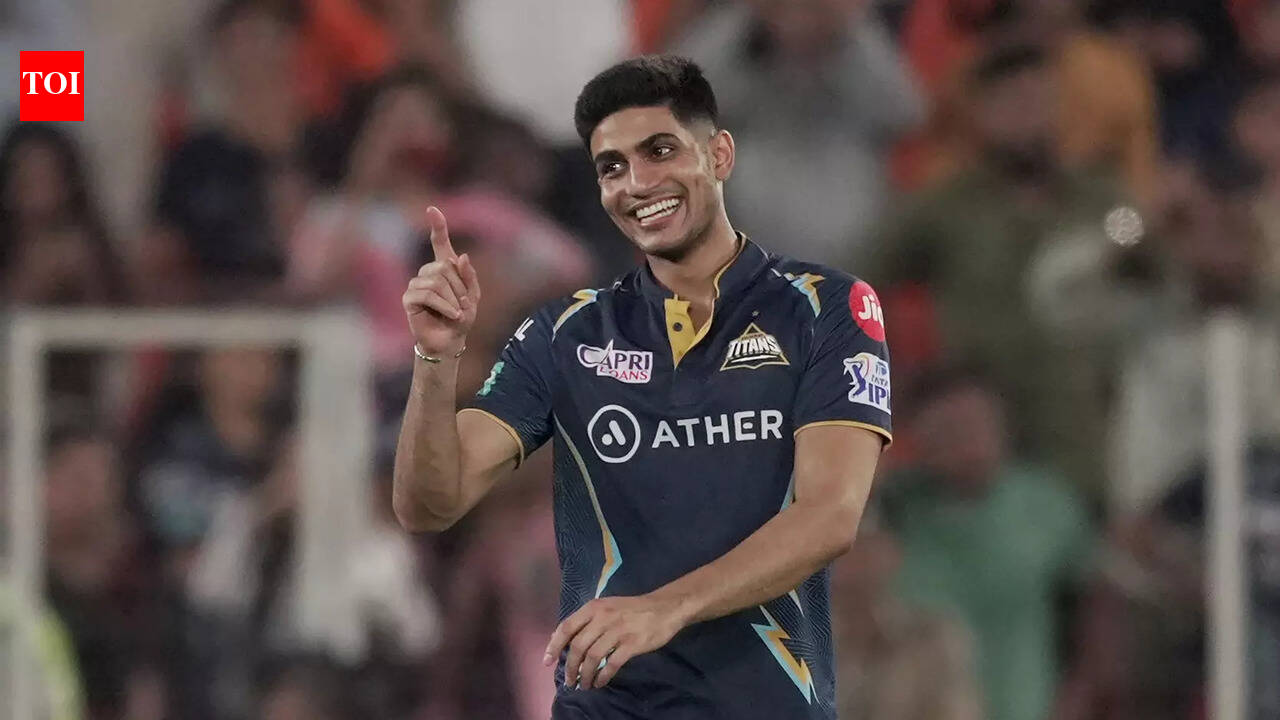
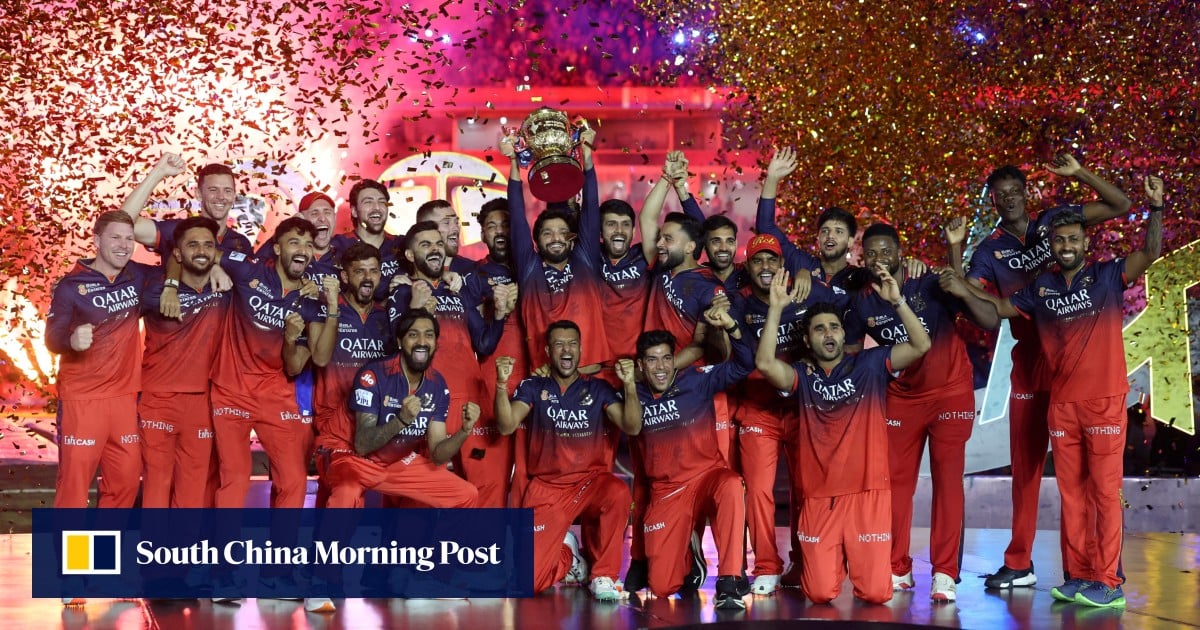
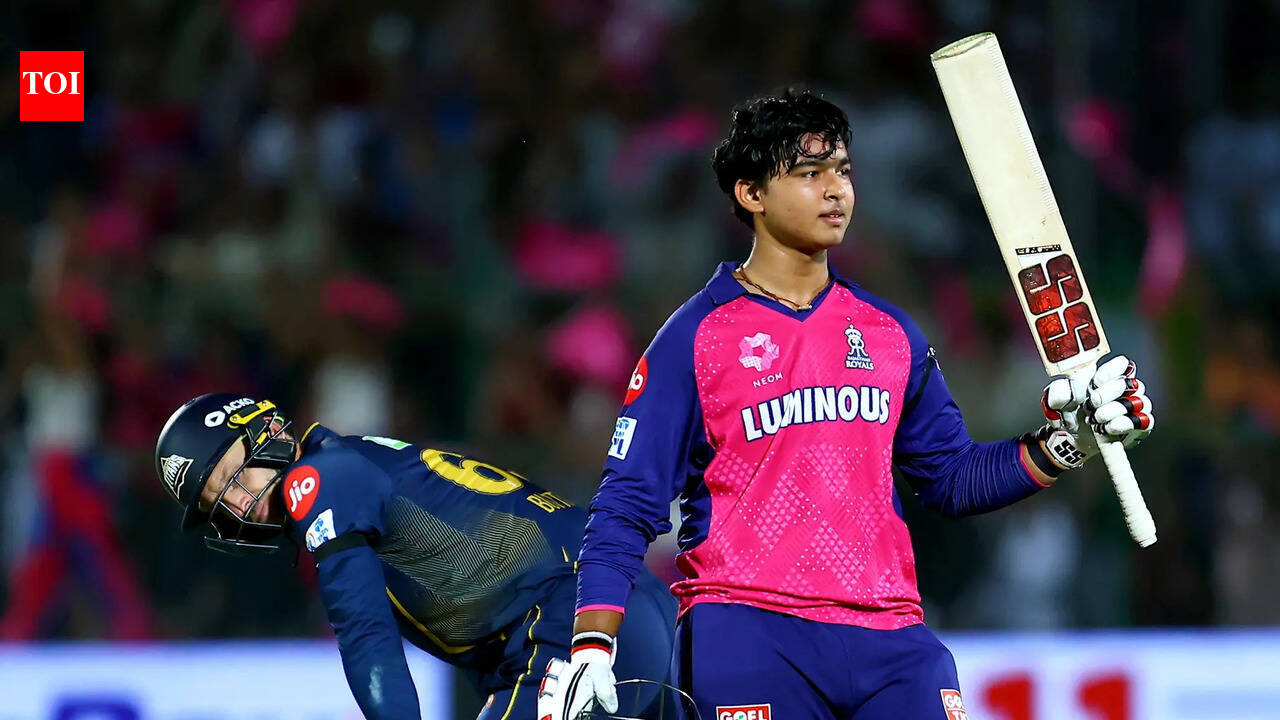
It is Monday morning in the week that IPL 2026 begins, and a five-star hotel in Bengaluru has given over its ballrooms to cricket. Not to cricket meetings, not to dinners celebrating cricket - to cricket itself, or at least the version of it that exists before a ball is bowled. The rooms have been booked since the weekend. Inside each one: lights, a camera crew, a stylist, a director with a shot list, and IPL stars in full kit being told where to stand. The players move between ballrooms the way they rotate strike: quick and purposeful. A line or two of dialogue. A product held at a specific angle for a specific number of seconds. Then next door. Some of the A-list Indian stars will get through four shoots before the morning is done. And this is not a Bengaluru quirk; the same drill is playing out in Mumbai, Delhi, Chennai and other IPL cities too. Pre-season practice camp will happen in the evening.Sit with that image for a moment, because it contains almost everything you need to know about where this league is. On Tuesday night, the valuations came in. USD 1.78 billion for Royal Challengers Bengaluru. USD 1.6 billion for Rajasthan Royals. Nobody blinked. If anything, there was mild disappointment that the two-billion mark hadn't been breached. The men who built this thing did not rub their eyes in disbelief. They had expected it. That the extraordinary has simply become the baseline. That, more than any number, is what 19 years looks like.India has been the centre of the cricketing universe for a while now, in every boardroom that matters, in every broadcast negotiation, in every ICC meeting where the future gets decided. The financial and commercial gravity shifted around the same time the IPL came around. The harder, less certain part of the promise was always something else: whether their cricket itself could match up to their boardroom might. It has.Twenty days ago, India became the first team to win a third T20 World Cup, the first to successfully defend their title, and the first to win one at home. They did so by plundering three scores of 250 or more in their final four games without needing an 'impact player' to lengthen their batting. And the team that did it was, in almost every meaningful sense, the IPL generation made flesh: boys who grew up under the lights and sound of this league, who learned to hit a length ball over long-on at seventeen in some satellite academy in Thiruvananthapuram and Patna, who were auctioned before they were properly formed, who are at ease getting their hair and make up done before a photo shoot.Consider what that actually means. Seven of the 10 captains leading franchises this season - Rajat Patidar, Ruturaj Gaikwad, Shreyas Iyer, Rishabh Pant, Ajinkya Rahane, Shubman Gill, Riyan Parag - were not in the squad that lifted the T20 World Cup. The team that won could afford to leave them out. When the IPL was conceived, the most optimistic version of its promise was something like this: that India would develop so much talent that selection itself became an embarrassment of choices. That promise was always suspected of being a little grandiose. It wasn't. If anything, it undersold what was coming.That this is where IPL 19 begins is not incidental, and not just in the moral sense. The M. Chinnaswamy Stadium is where the league itself began in 2008. For 17 years after that, the caravan opened elsewhere because RCB never won and earned the right to open the season. Until now. There is something almost literary about that, except the literature is complicated.In June last year, after RCB won their first title, crowds poured onto the streets of Bengaluru to celebrate with the winning team. Eleven people died in a stampede outside the stadium. They were not watching cricket. They were celebrating what the IPL had spent nearly two decades telling them was worth celebrating, worth everything. They came out because they were happy. And they did not go home.A plaque was unveiled at the stadium two days ago. Eleven seats will be kept empty in their honour. The famous ol' stadium of Indian cricket has been a hive of construction activity even 24 hours out from the start of the new season because newly proposed safety standards have to be adhered to. Tomorrow the lights will turn toward the more aesthetic part of the ground, the lush outfield will gleam, and the crowd will roar as they always do.Because the IPL chugs along even when the world outside the boundary is doing its thing. A war brewing in Central Asia. Fuel prices climbing. The cost of cooking gas quietly compressing household budgets across the country whose league this is. The middle-class Indian who buys the ticket, who streams the game on his phone while pretending to work, who checks the auction value of every player as he watches: that person is paying more for everything, including the match ticket. And yet the cricket remains, by some commercial sleight of hand, both premium and ubiquitous, both expensive and everywhere. The IPL understands its own hypnosis better than any league in the world.But one of the things it has always done well is hold these contradictions together without buckling under them. The young and the old. The global and the parochial. This season those contradictions have faces. Vaibhav Sooryavanshi and Ayush Mhatre were already IPL stars before they won the Under-19 World Cup together earlier this year. The system didn't just discover them, it had already absorbed them. They will share a frame with MS Dhoni, Rohit Sharma, Ravindra Jadeja and Virat Kohli, the OGs who were the IPL before the IPL fully knew what it was. In most leagues, that's a novelty. At the IPL, it is just the Tuesday fixture list.Which brings us, finally, to the season itself. To the things that are new: RCB are defending champions, which they would like you to know they are not defending so much as, the phrase has already become something of a mantra, 'attacking' a second title. This rebranding of defence as attack is a very IPL thing to do, actually; the league has always preferred the posture of aggression, even when consolidating.Their rivals CSK come to the season carrying, for the first time, the memory of a wooden spoon. This is genuinely new territory for a franchise that had turned finishing at the top into something close to institutional habit. Last year forced them to reshuffle the deck in ways that was almost personal. Ravindra Jadeja, one of the great CSK men, returned to Rajasthan Royals where he began, with Sanju Samson, Player of the World Cup, going the other way in a mega trade. CSK also signalled a changed identity, signing the 19-year-old Karthik Sharma and 20-year-old Prashant Veer at INR 14 crore each in the auction. Whether all this is reinvention or reconstruction will take a few weeks to understand.Mumbai Indians haven't won in five years. They look as strong as ever going into this one, which is both a measure of how good they are and of what half a decade without a title does to a franchise accustomed to wearing them. At some point the squad depth and the tactical intelligence has to produce something.These three marquee teams are also curiously assigned games at second venues of other sides. All three will play Rajasthan Royals in Guwahati, the home of current BCCI secretary Devajit Saikia. Dharamsala, the second home of Punjab Kings and the home of league chairperson Arun Dhumal, will host MI and RCB. RCB themselves will play MI and KKR at Raipur, their other home venue for this season, also the home ground of board joint secretary Prabhtej Singh Bhatia.Finally, there is the other thing. The modern cricket calendar is crowded, contested. At any given point, a T20 league is being played somewhere. International commitments press in, bilateral series stack up, marquee tournaments demand priority. The result is visible in the absences at the start of this season, particularly among fast bowlers. Mitchell Starc, Josh Hazlewood, Pat Cummins, Nathan Ellis, Akash Deep, Sam Curran, Matheesha Pathirana among others will not start the season. This is the contradiction the IPL has not yet resolved: the league that bends schedules around itself but still has to negotiate with them. Which means there is now a familiar second wave of players disentangling themselves from Pakistan Super League contracts, and arriving to the IPL as replacement signings in the hope of catching that little break that can decisively alter their career's direction.Back in that Bengaluru hotel, the last shoot wraps sometime in the mid-afternoon. The cricketer - whichever one it is, it barely matters, they are interchangeable in this particular corridor - hands back the product, poses for a few pictures, and heads upstairs to change. In a few hours he hit the nets, doing the other thing, the thing that started all of this. The focus lights and the props will be packed away. The ballroom will return to being a ballroom.Nineteen years. The IPL is an adult now, has been for a while. Adults are supposed to know the difference between momentum and direction. The IPL has always had both. The Chinnaswamy will fill tomorrow, the lights will come up, and it will all feel, as it always does, like the only thing happening in the world.

Most Popular


Hallgrimsson devastated by Irish loss
11 hours ago