ESPN offers a lame excuse for giving Ted Cruz unopposed airtime
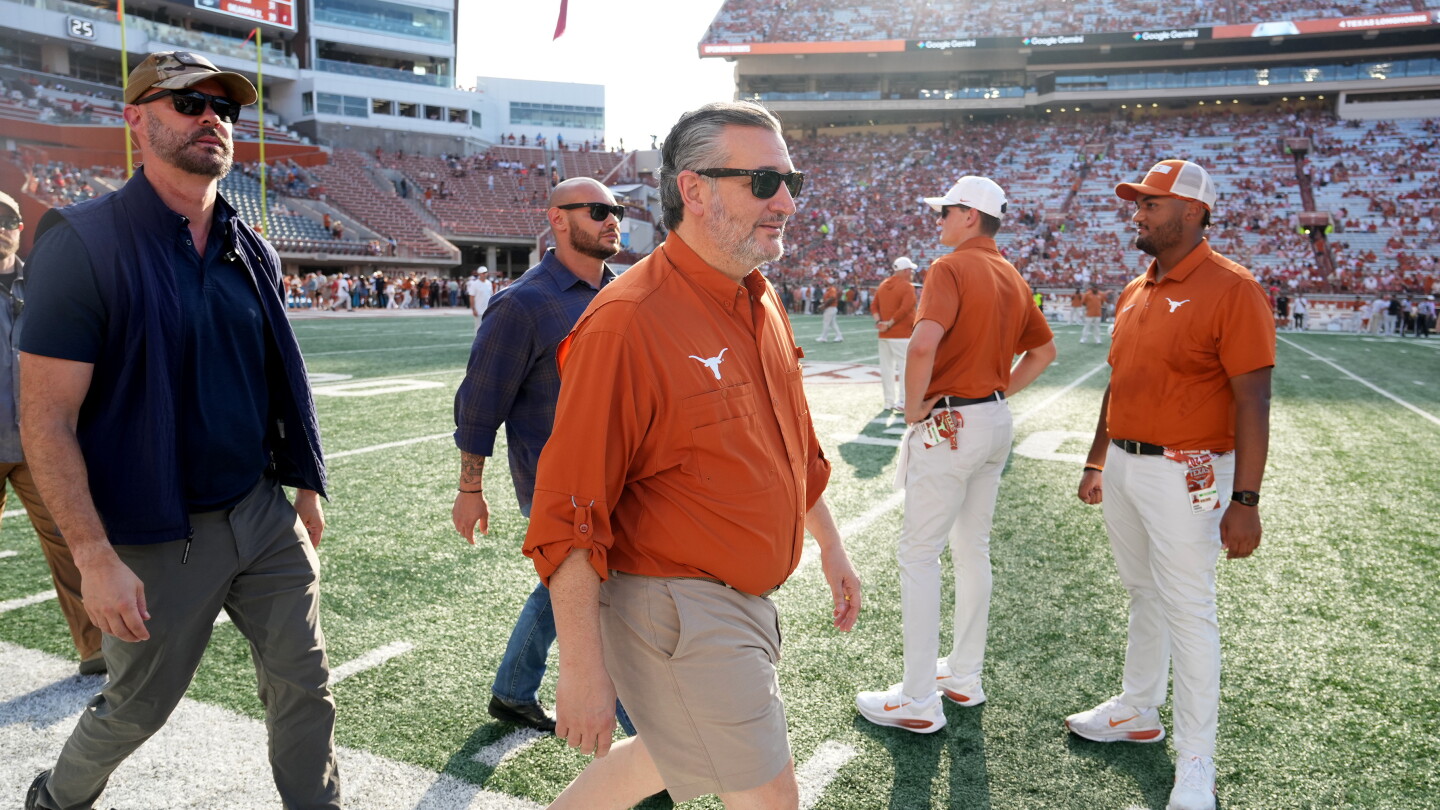
We interrupt our ongoing coverage of the first Sunday of the NFL regular season for one last item regarding Saturday’s developments in the NFL’s unofficial farm system, originating on a network in which the NFL now holds a 10-percent stake.ESPN has absorbed heavy criticism, as it should, for its efforts to help get the Protect College Sports Act turned into the law of the land. Last weekend, both Nick Saban and Pat McAfee stumped for it during College GameDay. On Saturday, Senator Ted Cruz (R-Texas) received an extended opportunity (his segment was longer than an interview with Texas coach Steve Sarkisian) to push for the passage of the bill.Through it all, ESPN’s parent company has reportedly been lobbying for the Protect College Sports Act.According to The Athletic, an unnamed ESPN source explained the situation. (The fact that ESPN is getting the word out on an off-the-record basis highlights the sensitivity of the issue; why not just issue a statement?) Per the report, Cruz expressed interest in joining the show to discuss the proposed legislation. ESPN claims it was an “easy decision,” given the timeliness and relevance of the issue.So why wasn’t the other side presented? ESPN’s excuse is that it received no requests from anyone representing the opposition to the bill. Which, frankly, is lame.Did anyone even know ESPN would be having Cruz on the show until it happened? Shouldn’t ESPN have declined to give Cruz an unopposed platform absent the ability to arrange for a dissenting voice to be included?While “equal time” wasn’t legally required (as FCC chairman Brendan Carr pointed out in a too-long-didn’t-read post on Twitter), ESPN opened the door to the fair criticism it has absorbed by not giving its audience a balanced presentation.ESPN surely knows this. Which explains its acknowledgment (through the same unnamed source) that it would “obviously do the same” if it received a request from someone opposed to the bill.Which guarantees that ESPN will be flooded with such requests this week for a chance to present the other side. (Already, the NAACP has asked that its president, Derrick Johnson, be given a chance to respond during next Saturday’s edition of College GameDay from Oxford, Mississippi.)For now, ESPN will continue to take well-deserved heat for slipping out of its lane and becoming a political operative in the effort by college football’s fat cats to pick the pockets of the players, and to strip their ability to pursue better opportunities. As long as it’s fine and dandy for the coaches and administrators to max out their earnings and to hopscotch unfettered from one school to the next, the players should have the same rights.



Most Popular


Bemidji State University
12 hours ago