Expert explains Lindsey Vonn’s Olympic-sized challenge skiing on torn ACL

On January 30, just one week before the opening ceremonies of the 2026 Olympic Winter Games, skier Lindsey Vonn crashed in her final training run, rupturing the ACL in her left knee. While we may normally associate such injuries with recovery timelines of up to a year, Vonn — who is 41 and came out of retirement for these Games — has promised to compete through the injury in what will almost certainly be her final chance at Olympic glory.Robin Queen, a Virginia Tech professor of biomedical engineering, explains that, while possible, there are several major challenges Vonn must overcome. The ACL, or anterior cruciate ligament, runs diagonally, front to back, between the tibia (shin bone) and femur (thigh bone), helping to stabilize the knee. “The ACL is particularly important for stabilization when someone is pivoting or twisting and when they are landing from a jump or out of the air,” explains Queen, describing a set of motions and actions common in downhill skiing.While she has not personally seen an athlete attempt to compete through such an injury, Queen says there have been elite athletes in other sports, like American football and basketball, who have continued to play fairly quickly following an ACL rupture before the ligament is reconstructed. “While this is uncommon, it is possible. It is important that she does not have a lot of swelling and feels that her knee is stable when she is skiing,” says Queen.Queen says that most often, when an athlete decides to continue participating in sport without or before having the ACL reconstructed, they will wear a functional knee brace that can help to provide external stability to the knee since the ACL is not able to do that work. Additionally, high-performance athletes like Vonn, who tend to have better body awareness, can use the muscles surrounding the knee, specifically the hamstrings, to help with stabilization. But there’s a difference between being able to put on her boots and being able to compete at the pinnacle of the sport.“It is important to understand that there is a mental aspect to her being able to ski, and ski well,” says Queen. “Often following an ACL rupture, there is a greater fear of movement and a fear of reinjury, so she will be managing the typical physical and mental demands of competing at an elite level while also potentially worrying about the stability of her knee and how it will feel while she is competing.”About QueenRobin Queen is the L. Preston Wade Professor of Engineering in the Department of Biomedical Engineering. Her research focuses on biomechanics, with interests in sports biomechanics, load and movement symmetry, post-operative return of function, rehabilitation engineering, and more.


Most Popular

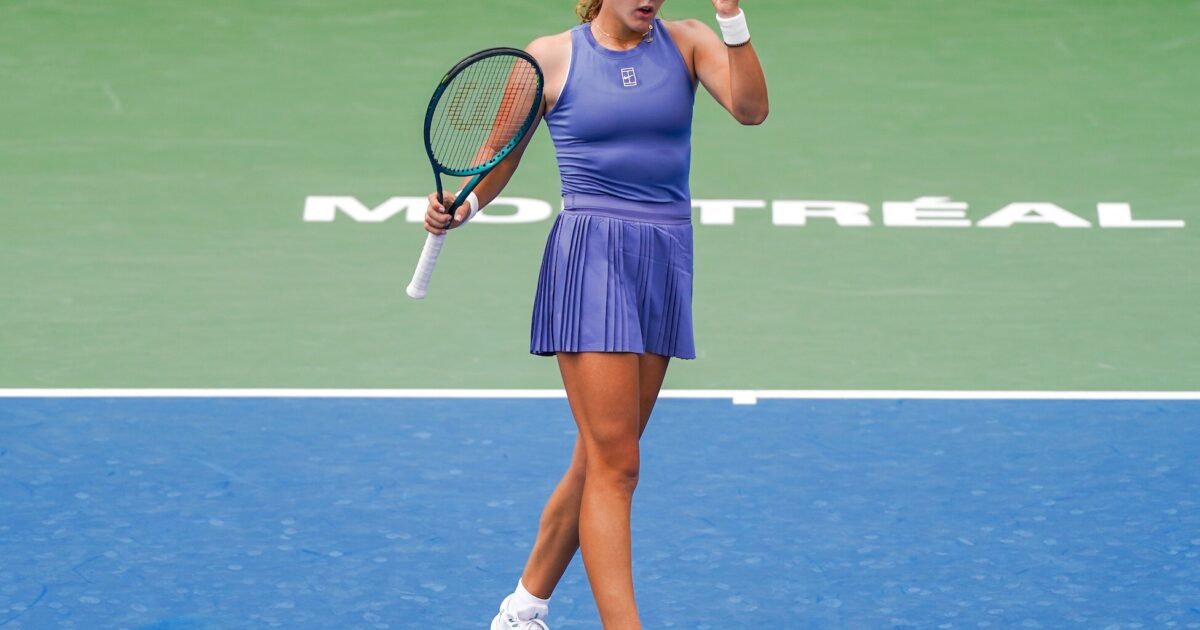
Andreeva, Mboko, and Jovic Lead WTA’s Teen Titans
16 hours ago

)