
What happens if FIFA World Cup 2026 is not officially broadcast in India?

For millions of Indian football fans, the FIFA World Cup is not just a tournament. It is late-night screenings, group chats, café crowds, hostel debates and families waking up to watch teams they support once every four years.But with India broadcast rights for the FIFA World Cup 2026 still awaiting final confirmation, one question is beginning to worry fans: what happens if the tournament is not officially shown in India?The first impact would be felt by viewers. Without an official broadcaster or streaming partner, Indian fans may not have a simple, legal and reliable way to watch the matches live. That would be unusual for an event that has long been part of the country’s global sporting calendar, even though India is not playing in it.The concern is bigger this time because the 2026 edition will be the largest FIFA World Cup ever. The tournament, to be hosted across the United States, Canada and Mexico, will feature 48 teams and 104 matches. That means more games, more storylines and more reasons for fans to stay connected through live coverage, highlights and analysis.A broadcast gap would also create confusion around one of the most searched questions before any major tournament: where to watch FIFA World Cup 2026 in India. If no official deal is announced, viewers may begin looking for alternative links online. That is where the risk grows.When major sporting events are not easily available through legal platforms, illegal streams usually flood the internet. These links may look convenient, but they are often unreliable and unsafe. Many carry intrusive ads, fake download buttons, betting traps, malware risks and poor-quality streams that disappear during key moments.For fans, that means the biggest football tournament in the world could turn into a frustrating search for unstable links. For platforms and advertisers, it would mean losing one of the most valuable global sports properties. The World Cup usually delivers mass attention across television, OTT, social media and digital campaigns. A missing India broadcast would leave a major commercial gap.Football culture would also take a hit. World Cups bring in casual viewers who may not follow club football every week. Children discover new stars. Local fans organise screenings. Cafés and clubs see packed match nights. Social media fills with arguments, predictions and celebrations. Without mainstream access, that shared football moment becomes weaker.However, a complete blackout still appears unlikely. India is one of the world’s largest digital and television markets, and the World Cup remains too valuable for broadcasters, advertisers and FIFA to ignore. Reports have indicated that talks over the India rights are still moving, with an official announcement expected before the tournament.Until then, fans should avoid illegal streaming links and wait for confirmed broadcast details. If a deal is finalised, the FIFA World Cup 2026 will return to Indian screens as expected. If not, it would be one of the most unusual and disappointing sports broadcast misses for Indian fans.

Most Popular


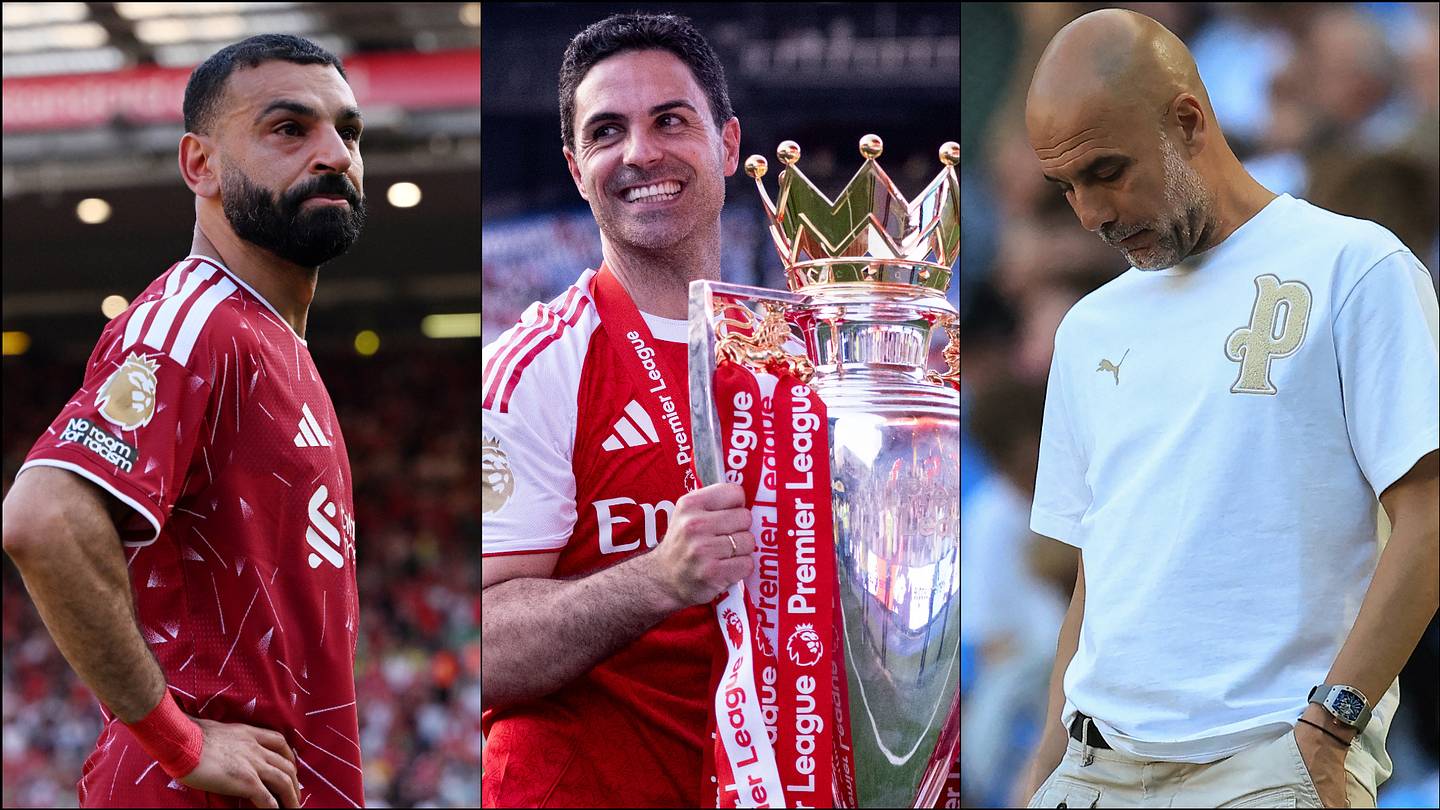
Grading Every Premier League Team’s 2025-26 Season
57 minutes ago

Brazil's World Cup challenge faces Morocco test in Group C
24 minutes ago