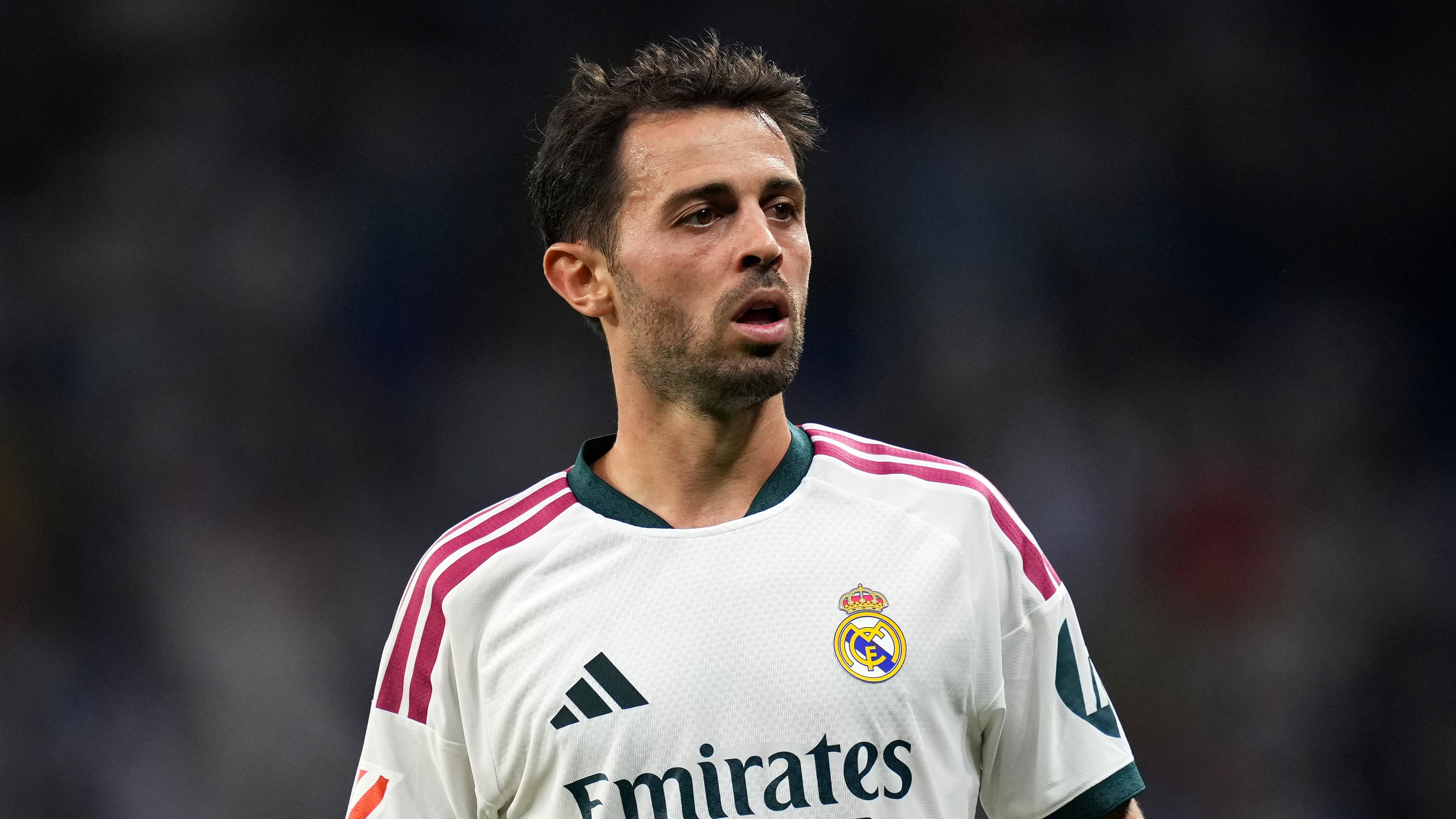
Chelsea and Arsenal are tearing up the Guardiola gospel of dominating possession

Xabi Alonso and Mikel Arteta are at the forefront of the Premier League's post-Pep Guardiola landscape, but the consensus that their coaching inspiration helped establish appears to be fracturing.The Chelsea and Arsenal managers, in opposing dugouts at the Emirates on Sunday, may be part of Guardiola's family tree, but the branches are spreading farther from the trunk in response to the division's remorseless challenges.AdvertisementAlonso's Chelsea have been the eye-catchers of the season's early weeks, not just because of their seven goals scored but how they filleted Fulham and Brighton with a paucity of possession.The numbers from the 4-3 victory over Brighton at Stamford Bridge were startling. The 74.4 per cent of possession enjoyed by Fabian Hürzeler's team was the most by any team in a Premier League match against Chelsea since 2003-04. When it came to mastery of the ball, Chelsea lagged well below their averages from last season but, tellingly, created an impressive 2.93 expected goals. Goalkeeper Emiliano Martínez was direct with his distribution, and fast attacks favoured João Pedro, Morgan Rogers, Pedro Neto and the supporting Cole Palmer.Two games is a very small sample, and Chelsea's particular circumstances might be driving an expedient approach from Alonso. Their squad is not replete with specialist central midfielders: Andrey Santos was sold early in the summer, Enzo Fernández was in the departure lounge until deadline day and Moisés Caicedo managed just 13 minutes against Brighton before hobbling off. Given the collapse of Lamine Camara's transfer from Monaco, and Roméo Lavia's injury record, Chelsea could be in for a few months of Jordan Henderson, Reece James or even Malo Gusto filling in. Controlling the middle third is unlikely to be a strong suit.The squad's shape points towards a variation of 3-4-3, the framework used by Alonso's unbeaten Bundesliga champions, Bayer Leverkusen, and Chelsea's last title winners under Antonio Conte a decade ago. Alonso's Leverkusen ranked second for possession in their 2023-24 title-winning season, averaging 58 per cent of the ball with Granit Xhaka pulling the strings. So Alonso's football is not all about counter-punching.AdvertisementWinning with less possession was a trend stretching beyond Chelsea in August, though. So far this season, 16 Premier League matches have produced a winner, and on only six of those occasions has the victor finished with the majority of possession. It is worth bearing in mind score effects and the timing of goals in the flow of the game. Brentford's early goals against Tottenham, or Chelsea scoring after 31 seconds at Fulham, shaped the course of those games.Manchester City's victories against Bournemouth and Crystal Palace were two counter-examples, and Enzo Maresca is the other Guardiola acolyte expected to be involved in the title race. Comparing the Italian with Alonso and Arteta, on the evidence of his Leicester City and Chelsea sides, Maresca could well be the Guardiola purist among the trio, committed to controlling games through slow, lengthy passing sequences.Champions Arsenal have also won their games with a majority of the ball, albeit against newly promoted Coventry City and a de-fanged Aston Villa. However, although Arteta's team often hog possession and dominate territory, there are spells when they lean on their defensive shape to control games out of possession (especially with a lead). Critical title-race wins against Brighton and Newcastle United followed this pattern as did, without the prize, the Champions League final.Arsenal averaged 396.7 completed passes per game last season, the lowest by a Premier League winner since Leicester City in 2015-16. Arne Slot's Liverpool also signalled a shift the previous season.AdvertisementIt can be a mistake, though, to assume that these numbers reveal the intentions of an omnipotent coach. The league's best teams and managers may want to dominate the ball like City in their imperial phase, but well-resourced and robust mid-table teams are not letting them.When Guardiola arrived at City in 2016, using the goalkeeper as the extra player to build play from the back became a maxim. This shift accelerated after the International Football Association Board's 2019 law change, allowing goal-kicks to be played to a team-mate inside the penalty area. From 77.77 per cent of goal-kicks clearing the halfway line in 2013-14, just 40.36 per cent did so in 2024-25. That figure has held steady, though short goal kicks can be used to bait opponents to come forward with two or three short passes, before a longer pass to a forward against his isolated marker.Teams continue to take goal kicks short, but progressing the ball beyond that stage has become more difficult because so many more teams risk defending man-on-man, trusting their defenders' athleticism. This was a subject Guardiola and Arteta did not need a second invitation to expound upon last season.Guardiola said in March: "We controlled it [before] by making a thousand million passes, now man marking makes it more difficult because they don't allow you to do it."AdvertisementSpeaking to Jorge Valdano, the Argentine World Cup winner and former Real Madrid manager, Arteta also said change was afoot: "I think the game plan, the macrostructure, how we pass the ball or how we position ourselves, no longer matters. Today, you depend on that one player who can make a game-defining action. That's the difference. Like in tennis, where they play five sets, five hours, but it's decided by three games."Teams such as Bournemouth (who almost cost Arsenal the title before winning it for them against City), Brighton, Brentford and others no longer sit off and defend in a passive, zonal way against the elite. If they do, it is when they have the lead or their high, man-to-man press has been broken and the team sprint back in unison. When the Premier League's middle classes trail in a game, they step forward with even more aggression. Duels and attrition abound. Cruising through a game with possession is no longer a smooth ride; even Wolves, relegated in spirit by Christmas last season, had champions Arsenal on the back foot and struggling to string passes together in both fixtures last season.Another possible factor is the demands of the schedule, with more Premier League teams than ever now qualified for expanded European competitions. To have possession, you need to win it back in the first place, and the number of pressed sequences per Premier League match has declined since 2021-22. That was the season before a winter World Cup, after which a Euros and another World Cup have followed. Declan Rice finished last season with 69 games and 5,394 minutes played for club and country. Ceding possession and sitting in shape for periods may help teams last the distance.Against Chelsea on Sunday, Arsenal will expect to be ball-dominant, but Rogers, João Pedro and Palmer will threaten to provide those "game-defining actions" Arteta described. Arsenal have the league's best defence, but they are also the division's polymaths, adapting to games within games and shape-shifting according to the task at hand. In a competition resembling a nine-month Krypton Factor, and with Guardiola's much-prized control giving way to greater chaos, that could prove the difference.



Most Popular


Bemidji State University
11 hours ago