
Champions League at risk for Man Utd: What next for Marc Skinner?
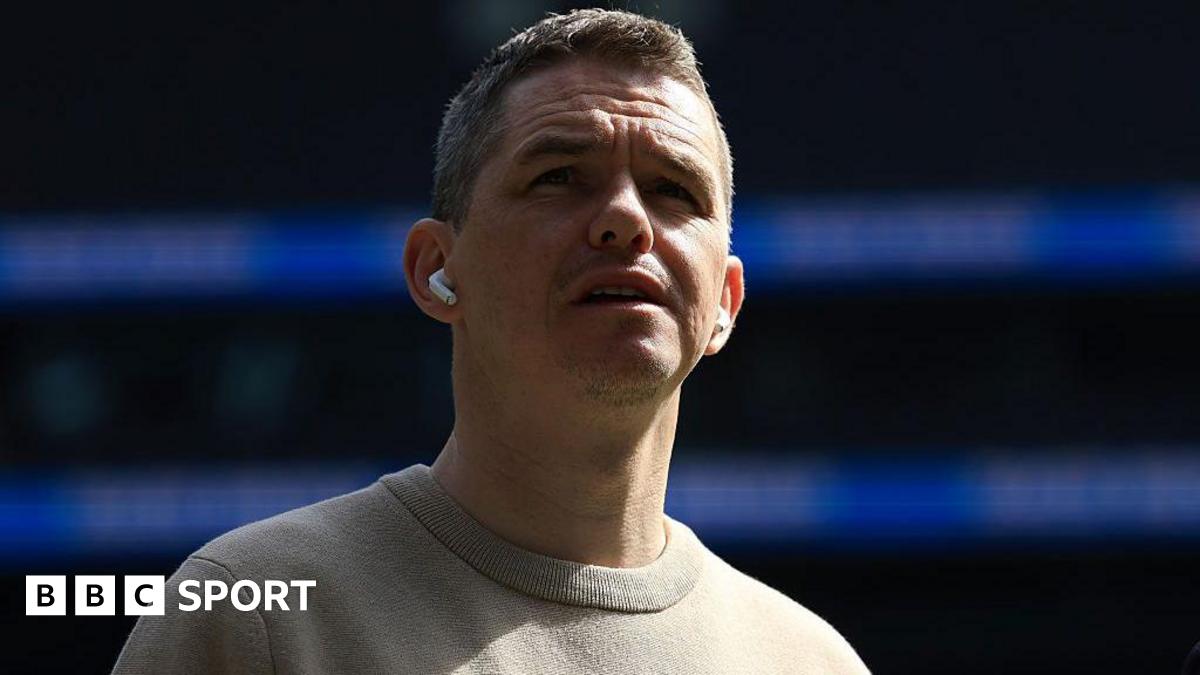
Securing Women's Champions League football for next season is now out of Manchester United's hands - so where does that leave manager Marc Skinner?Skinner faces questions from a fanbase who have become increasingly disgruntled and there will also be concerns that United's summer transfer targets could be impacted by failure to qualify for Europe.Sunday's goalless draw with Tottenham was a huge blow, leaving United third in the Women's Super League table with two games to go.Only the top three sides qualify for next season's European competition but Arsenal, sat a point below in fourth place, have three games in hand.United also travel to second-placed Chelsea on the final day of the season (Saturday, 16 May) knowing they cannot control the outcome.Skinner signed a new contract in April 2025, tying him down until 2027 and with the option of a further year.However, he has faced criticism from supporters throughout his five-year spell with many unhappy with performances, squad rotation which some believe has led to player departures, and a lack of use of United's academy players.But he also led United to their first major trophy by winning the FA Cup in 2024, and this season guided them to the Champions League quarter-finals in their debut campaign in the competition.Skinner has needed to navigate controversial periods as a forced spokesperson for the women's team, responding to questions about Sir Jim Ratcliffe's comments on the WSL side, the lack of ambition from the board in transfer windows, contract renewal negotiations and unsavoury departures of other star names.Much like his spell in charge, this season has seen ups and downs. A significant highlight has been their European campaign, which club sources point to as a major step in the right direction.No internal discussions have been held yet over Skinner's future, with the club pleased overall with the campaign given the resources that have been available.The lack of squad depth, which has heavily impacted results in the second half of the season, has been an issue the club is aware of. A failure to rectify the problem in January eventually took its toll as Skinner tried to manage multiple competitions.But the internal ambitions were clear at the start of the season; to secure a top three spot in the WSL, be competitive in Europe and compete for a domestic trophy.In terms of their league performance, it has been below par for United, and missing out on a Champions League spot would be a big disappointment.Tensions rose at the weekend when United's grasp of their European future loosened with the draw at Tottenham, with club representatives banning The Athletic from asking questions, external in a post-match media huddle.It is not the first time a United manager has refused to speak to media - whether that be a club decision or a personal one - after Sir Alex Ferguson imposed a seven-year boycott of the BBC in 2004 after it made allegations against his son, Jason.The controversial decision to shut out critical journalists will only heap more external pressure on Skinner, but his position at the club is unlikely to be tainted by their WSL positioning. European exploits and reaching the League Cup final are seen as ticks in the other boxes of their pre-season ambitions.Unhappiness among sections of the support appears to be based on performances against WSL rivals rather than just results.Early season draws with Arsenal and Chelsea contributed to a seven-game unbeaten streak in the WSL before successive defeats by Villa and Manchester City.That 3-0 loss to City was one of the performances that caused frustration as Skinner's side failed to record a shot on target despite having 60% possession, though they did hit the woodwork.It was a similar story in the return game at Old Trafford last month as United were cagey in their approach and outplayed.Criticism also came United's way following their 2-0 defeat in the League Cup final as Chelsea's ruthlessness showed, while Skinner's side failed to take advantage of 15 shots, including four on target.An accusation often pointed at Skinner is that his side are not bold enough in possession against their top-three rivals.United have scored just six goals in nine WSL games against Chelsea during Skinner's tenure - only scoring fewer against Palace and Bristol City, who they faced twice each - though they have been more competitive in recent meetings.The three teams they have conceded the most WSL goals against in that time are also their top three rivals - Chelsea (26), Manchester City (21) and Arsenal (15).But stability and an emphasis on building up from the back in their set-up have helped elsewhere.They have not lost any points from winning positions in the WSL this season and have shown resilience at the other end, clawing back eight points when losing.Goalkeeper Phallon Tullis-Joyce is tied for the most clean sheets this season (seven) and has the best save percentage (77.1%) from the past two campaigns, while two of United's defenders – Maya Le Tissier and Dominique Janssen – sit in the league's top five for total passes made in 2025-26.Another debate circling Skinner's position is whether United have under-achieved during his time in charge.Securing a top-three spot should be the base for United's ambitions and they should be chasing a WSL title.But context of their competition is important.Only four clubs have ever won the WSL - Arsenal, Chelsea, Manchester City and Liverpool - and Chelsea have hogged the last six successive titles.Prior to United's second-place finish in 2023, no team outside of Arsenal, Chelsea or Manchester City had made it into the top three for eight years.This season, United's task was to try to pip current European champions Arsenal, six-time consecutive WSL winners Chelsea or one of the league's highest spenders in Manchester City to a top-three spot. All three rivals are powerhouses.United, who only formed a professional women's team in 2018, have always been playing catch-up. While there is no reason why they cannot compete for the title, it is clear they needed time to build a squad that could match their rivals.That squad building has clearly not been up to scratch. Blame, naturally, will be placed on the shoulders of those supplying the cash and Ratcliffe's comments, and actions, have made it appear that the women's team is not a priority at the club.Whether Skinner can do more with the squad he has remains up for debate but it is clear that when injuries hit and the calendar became more condensed in the second half of this campaign, United's performances and results worsened.If the investment in recruitment that Skinner has called for does come in the summer, he will have no excuses but to deliver next year.


Most Popular



Match 38: LSG vs KKR - Code of Conduct
10 hours ago

Alex Eala withdraws from WTA 125 Catalonia Open
16 hours ago