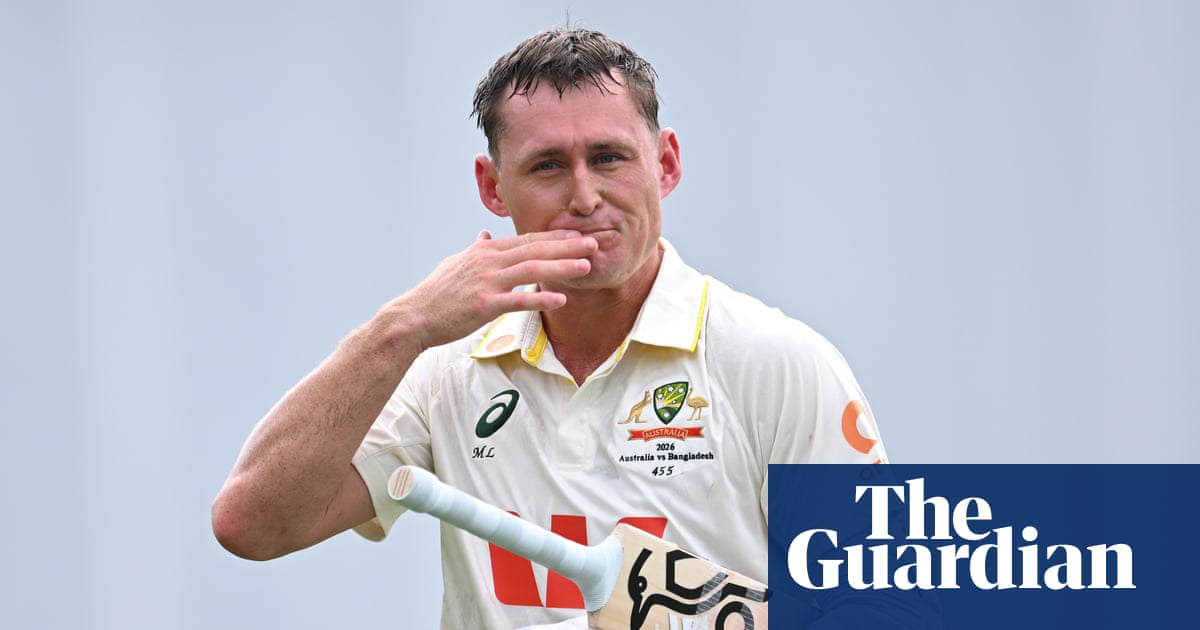
Hugh was one of bravest and nicest men I met. Farewell my opening brother

He was simply one of the bravest men I have ever met, as well as being one of the most friendly and welcoming. The first bout of cancer, of the throat, had come in 2002, just five years after his playing days at Glamorgan had finished in triumph with a fine century helping us to secure the County Championship title at Taunton. He had surprised us all during that game by announcing that he was off to work for the ECB as their technical director, the beginning of an illustrious career as a cricketing administrator that took in other roles as director of cricket, deputy chief executive and, for a brief period, acting chief executive at the ECB before he returned to Glamorgan as chief executive and director of cricket.Cruelly a second bout, unrelated to the first, initially to the bowel and then spreading to the liver, struck in 2021, but he could not have fought it harder, enduring endless rounds of chemotherapy and, latterly, frequent stays in hospital. Sadly a few weeks ago he called to say that the end was nigh and he was receiving end-of-life care.The bond between openers is special, almost fraternal in its trust and longevity, conveying a sense of togetherness to which few other sportspeople can lay claim. So, to the very end, we were messaging daily. Even on Christmas Day he reported he was “doing OK” and managed some festive lunch with his family, including twin daughters Bethan and Emily, around him. On Boxing Day his condition deteriorated and the following day he was admitted to a local hospice before passing peacefully on Sunday morning.On Christmas Day a photograph had appeared on social media of England training at the MCG on Christmas Day in 1990, with Morris and Robin Smith running next to each other sporting Santa hats. Both have now gone, both gone way too early at 62.Morris was a late call-up to that Ashes tour and did not play, but he did play three Tests for England, the most famous being his second against West Indies at the Oval in 1991, where he contended courageously with some ferociously fast bowling from Curtly Ambrose, Courtney Walsh, Patrick Patterson and Malcolm Marshall, putting on 112 with Graham Gooch in the first innings in a match England won. The photograph of him leaping high in the air to avoid one of Patterson’s bouncers was a classic and adorned his WhatsApp profile until the end.Morris, a left-hander with the most solid of techniques honed first at Blundell’s School in Devon where he won a sport scholarship to follow in his grandfather’s footsteps, was unfortunate not to have played more for England. He scored 19,785 first-class runs at an average of 40.29 and for the latter part of his career it was a pleasure to be his opening partner. When he retired I wrote a piece for The Cricketer magazine in which I said, “The biggest compliment I can pay him is to say that I was always surprised when he was out.”I’m pretty sure he didn’t feel the same way about my batting — with his previous partner, Alan Butcher, he had formed a powerful alliance that averaged 57.73 — but I eventually became a bit better and we ended up making 7,012 runs together as an opening partnership in 166 innings at an average of 44.37. Apparently in the past 40 years, only three other opening partnerships have made more runs together in the championship: Yorkshire’s Martyn Moxon and Ashley Metcalfe (7,820), Leicestershire’s Tim Boon and Nigel Briers (7.081), and Lancashire’s Graeme Fowler and Gehan Mendis (7,025).Between us we made 100 first-class centuries (Morris made 53), had 15 knee operations (he had seven of them, with our rugby careers — he played for South Glamorgan Institute of Higher Education, now Cardiff Met, Aberavon and Welsh Students — probably to blame) and had a whole heap of fun in trying to make each other laugh out in the middle. “It looks like we have another angry young man to contend with,” he would always say with a smile as another garrulous quick bowler, all barbs and bouncers, would announce himself.But as an administrator Morris took his game to another level. As a captain who oversaw Glamorgan’s first title in 24 years when winning the Sunday League in 1993 (he also captained Young England and England A), he had been a meticulous planner, a strategist, a diplomat and always a man with a vision, which were all vital attributes for his role as director of cricket in one of England cricket’s greatest ever periods as he established a strong rapport with Andrew Strauss, the captain, and coach Andy Flower, with three consecutive Ashes series being won between 2009 and 2013. There was also a first global trophy, the World T20, that was won in 2010.When he returned to Glamorgan in 2013, the club was in debt to the tune of £17million but by the time he resigned in 2023 that was gone. That is some work. The club have announced that the indoor cricket centre at Sophia Gardens will be named in his honour, and if the young boys and girls using that can play with half the skill and courage that Morris did, as well as assuming the same affability of character, they will all be doing just fine.



Most Popular