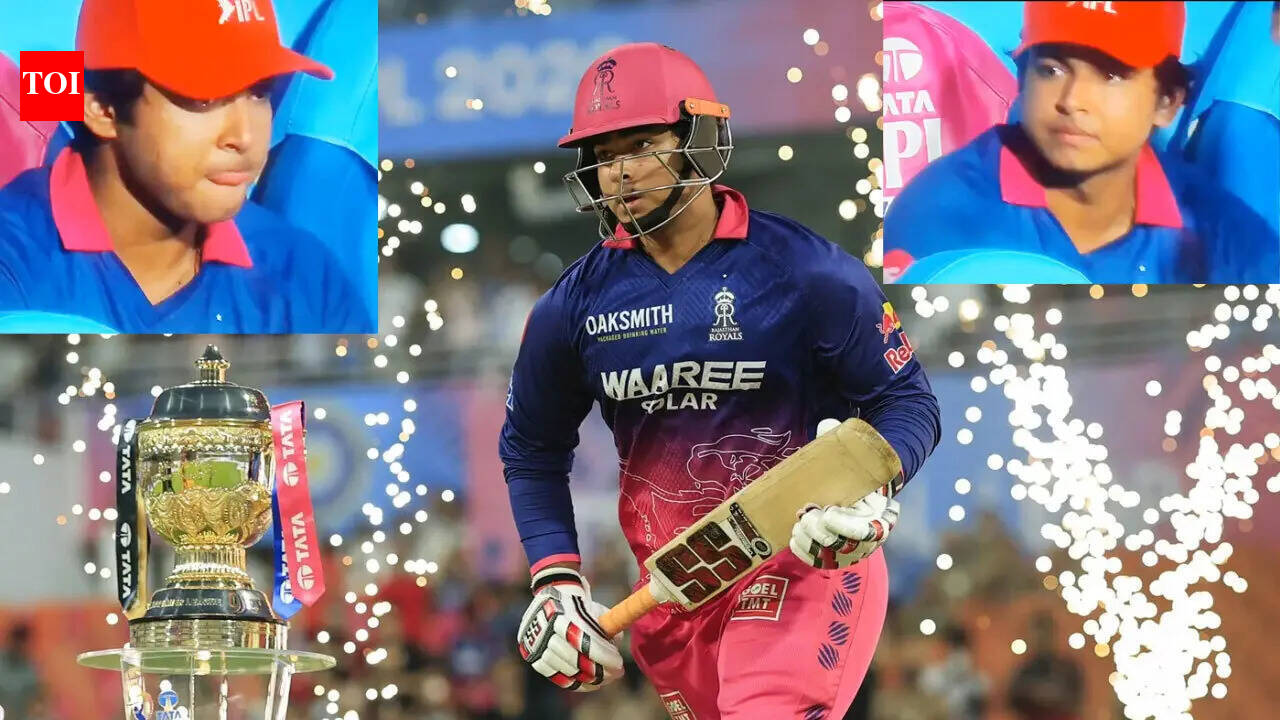
INR 1.10 crore turned to INR 34.80 crore: Vaibhav Sooryavanshi's IPL 2026 was worth 252 SUVs, 338 round-trips to London

That figure ranks third in the entire IPL 2026 season by absolute profit. The two players above him, Shubman Gill and Rajat Patidar, cost ₹16.50 crore and ₹11.00 crore, respectively, to generate profits within ₹1.30 crore of his. Seven of his 16 matches registered at the model's highest performance tier. His worst match cost Rajasthan Royals ₹0.18 crore in lost impact. His best returned ₹5.16 crore in a single evening, against a per-match investment of ₹6.9 lakh.The model does not deal in reputations. It deals in deliveries and what each delivery was worth.His century against Sunrisers Hyderabad in Jaipur, reached in 36 balls, was the third-fastest in IPL history. His 103 off 37 balls that evening contained 12 sixes and five fours. In the playoffs, he scored 97 off 29 balls against the same opposition in the Eliminator, a strike rate of 334.48, the highest by any batter in an IPL innings of 90 runs or more. In Qualifier 2 against the Gujarat Titans, with RR in tatters at multiple wickets down, he scored 96 off 47 balls in the most technically mature innings of his season, adapting to a two-paced pitch, anchoring a collapsing middle order, and still hitting seven sixes. He was dismissed a few runs short of a century for the second consecutive knockout match.The defining statistical quirk of the season is the pull shot: 20 sixes via the pull, dismissed only once in 36 attempts at the stroke, strike rate of 419.44. Among the 44 bowlers he faced this season, he hit 31 of them for six. Eight of them were hit for six off the very first ball he faced from them.Vaibhav Sooryavanshi's numbers from that model read as follows.His ₹1.10 crore auction price, spread across 16 appearances, produced a total impact worth of ₹34.97 crore against a cost of ₹1.10 crore. His season profit: ₹33.87 crore. His recovery multiple: 31.79× - meaning for every rupee Rajasthan Royals spent on him, the model returned ₹31.79 in impact value.That figure ranks third in the entire IPL 2026 season by absolute profit, behind Shubman Gill ( ₹35.14 crore, ₹16.50 crore invested) and Rajat Patidar ( ₹35.06 crore, ₹11.00 crore invested). The gap in absolute profit between Sooryavanshi and the top two earners is under ₹1.30 crore. The gap in investment is ₹9.90 crore minimum.Of his 16 matches, 12 returned a profit to the ledger. Seven registered at the highest tier of the model - the historic/freak band, reserved for performances that materially shift win probability in ways that have no precedent in the dataset. Three matches registered as damaging, but given his per-match cost of ₹6.9 lakh, even a complete failure moved the needle by less than ₹0.18 crore in either direction. His upside was structurally uncapped. His downside was not.His single best match by the model: Match 72, which returned a profit of ₹5.16 crore on a ₹6.9 lakh investment. In a single evening, Rajasthan Royals recovered nearly five times his entire season's cost.Also Read: Egoless, circumspect, quick-learning Vaibhav Sooryavanshi shows the world he is more than ready for internationalsThe more pointed comparison is within cricket itself. His ₹33.87 crore profit exceeds the full auction investment made in Rishabh Pant ( ₹27.00 crore), Nicholas Pooran ( ₹21.00 crore), Yuzvendra Chahal ( ₹18.00 crore), and Jasprit Bumrah ( ₹18.00 crore) individually. Each of those four finished the season in the red on the same model. His profit is larger than what any single one of them cost.The IPL 2026 season produced a combined league surplus of ₹294.04 crore across 203 players. Sooryavanshi, accounting for 0.107% of the total wage bill, contributed 11.5% of that surplus.The ₹1–3 crore bracket in the tournament, where Sooryavanshi sits, returned an average player profit of ₹3.41 crore. He beat his bracket average by 9.9×.The next IPL mega-auction will price him differently. Based on his two-season IPL record, 1,028 runs at 46.72, two centuries, a strike rate north of 230 - a floor bid of ₹15–18 crore would be conservative. Franchises will pay more, possibly significantly more.The monetary valuations in this article are the output of a proprietary statistical model and represent analytical estimates of on-field impact, not market prices, official figures, or endorsements. No claim is made regarding actual commercial worth or franchise accounting. All comparisons to consumer goods prices are approximate and sourced from publicly available retail data at the time of writing.


Most Popular