‘He needs big runs’: Blowtorch on Marnus as selectors hear growing calls for change
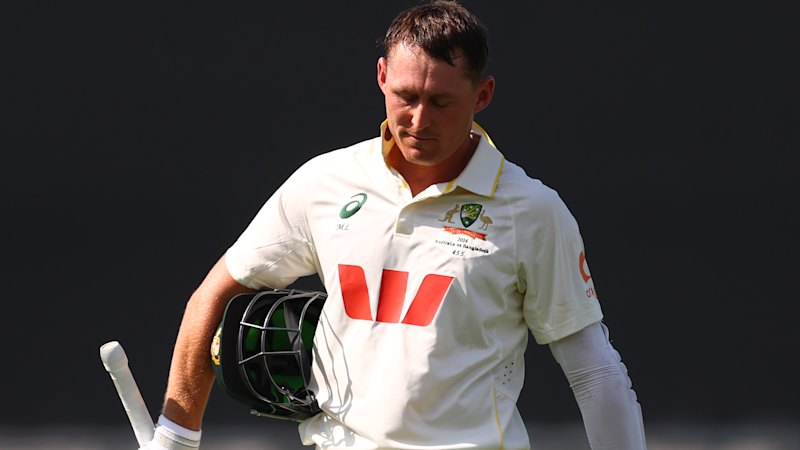
August 17, 2026 — 3:30pmYou have reached your maximum number of saved items.Remove items from your saved list to add more.Darwin: Marnus Labuschagne is on notice from national selectors that he needs a big score in Mackay to be sure of keeping his place for the Test series against South Africa in October, as coach Andrew McDonald admitted calls for change will deservedly grow louder after a “poor” defeat to lowly Bangladesh.McDonald and his fellow selectors were locked in meetings on Monday as they pondered adding to the 13-man squad soundly beaten in the first Test in Darwin. Brisbane-based opener Matt Renshaw is the most likely addition to the group following an underwhelming performance by Jake Weatherald at Marrara Stadium.LoadingAn inveterate tinkerer with his technique, Labuschagne was dropped last year in the Caribbean but since his recall has failed to make the most of numerous starts. To omit Labuschagne again at the age of 32 would make it extremely hard for him to come back, but McDonald said significant runs were the only viable currency for the No.3.“We want runs, is the bottom line,” McDonald said. “I think it was 31 in the second innings, and up until the point he got out, you’d look out there and say, ‘Geez he’s looked good, he’s moving well, clipping off his pads, getting back through the ball down the ground’.Advertisement“But ultimately, it’s 31. It’s not a big score. He’s lacked runs, he feels that, we feel that. We’ve got to get the best out of Marn as well. He’s had a bit of a lull, he knows that. I think we saw some change in the way that he played, so that’s good.“But it is 31. He’s disappointed at that, it’s a missed opportunity, and he needs some big runs.”Asked about Weatherald's technical changes since the Ashes, which seemed to contribute to him looking extremely jumpy at the crease, McDonald said the sample size was too small to know if it had helped the left-hander, while adding that additions to the squad were likely.“If you go back to the original squad that was picked, it was quite skinny in terms of 13,” he said. “We usually travel with a few more than that, so I think Bails [selection chair George Bailey] left it very open to we could add depending on what we saw. We’ll make those decisions in the coming days.”AdvertisementAustralia have made a few hard selection calls in recent times when needed. Alex Carey was dropped at the start of the 2023 World Cup, while Sam Konstas was thrust in against India the following year and Labuschagne was left out in 2025.They also left Usman Khawaja out of the side for the second Ashes Test in Adelaide. Khawaja ultimately played because Steve Smith was ruled out with vertigo, but the initial decision hastened his choice to retire at the end of the series.McDonald, who is yet to start negotiations about his future as coach, with his contract due to expire late next year, said that growing cells for regeneration of the team would get harder to ignore, even though he maintained the oldest Test side in Australian history still had plenty of good cricket left in it.“It’s always going to be a conversation, the age profile of the team, where we’re at, how we’re travelling,” he said. “A loss doesn’t help that. These players have got a fair bit of cricket left in them, I believe, and it’s really how we navigate through it.Advertisement“There’s always going to be calls for change on the back of a loss, there’s always going to be emotion from the outside and even internally. You feel a Test loss, it means a lot to them. It’s how you move forward.“Our next decision is going to be the most important. What we do, how we get them prepped. The easy option is to call for change ... they’re entitled to do that as well on the back of a performance like that. That’s part of our lot.”McDonald said that his coaching staff also needed to wear some of the heat for the loss, which was Bangladesh’s first Test victory in Australia.“We were poor this Test match,” he said. “Any time you score 500 runs over two innings on that surface, we’ve got to make some improvements. It’s tough to accept. I think we let our standards slip. I think we’re better than that.“We believe our players are better than what they’re putting out there at the moment, and that falls on us as coaches as well, our job is to get the best out of the playing group. It’s not totally on the players here, we’ve got to take some ownership.Advertisement“I don’t think it’s like, ‘We lost this Test match so immediately we shift things’. We will weigh up what we usually work through for the best 11 that goes out there. We’re not emotional around change.”Australia’s sole ray of light after the game was the way Cameron Green regained confidence in himself with a second-innings century that also vindicated plans he had shared with McDonald and captain Pat Cummins before the game.“He was really clear going into the game [that] he was going to own the stumps and look to go down the ground, and he was going to avoid the channel ball early on,” McDonald said.“If you look back, in his starts, he has flirted in the channel. I think he was really disciplined in the way that he left. Intent is looking to score, it’s not all-out attack. The way he played, the tempo he showed, and even managing the lower order was a step forward.”News, results and expert analysis from the weekend of sport sent every Monday. Sign up for our Sport newsletter.You have reached your maximum number of saved items.Remove items from your saved list to add more.More:Australian cricketCricket AustraliaBangladeshDaniel Brettig is The Age's chief cricket writer and the author of several books on cricket.Connect via X.

Most Popular