
Abhijit Bhattacharya named Global Winner of the 2025 IOC Gender Equality, Diversity and Inclusion Champions Awards
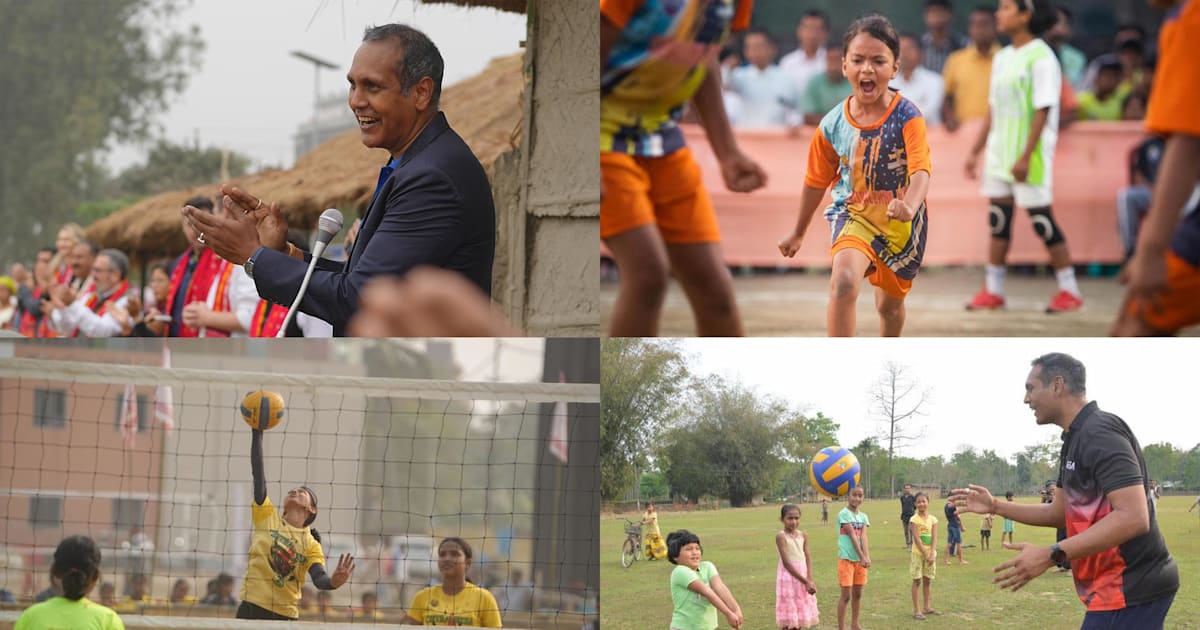
Alongside the global award, five continental winners have also been recognised:Africa: Racheal Kundananji, ZambiaAmericas: Mónica Elvira Franco Luzcando, PanamaAsia: Kim Yeon-koung OLY, South KoreaEurope: Michele Kang, FranceOceania: Robyn Cockburn, New ZealandDiscover the profiles of all the 2025 GEDI Champions winners.Expanding access to sport in rural communitiesFollowing his elite sporting career, the 2025 Global Winner, Bhattacharya, launched large-scale, inclusive grassroots sports programmes for children in rural and underserved communities in Assam, in northeastern India.The Assam Volleyball Mission 100 (AVM100) and the Brahmaputra Volleyball League (BVL), which he founded and developed, now reach over 12,000 children across 400 teams. Through these initiatives, Bhattacharya championed gender equality and social development by ensuring equal participation for girls and boys and bringing sport directly into villages, removing barriers and strengthening community support.The success of his initiatives demonstrates how sport can empower young people, particularly girls, by building confidence, unlocking opportunities and developing leadership pathways for women within volleyball."Representing India in winning this award, and most importantly representing the villages of Assam, makes me deeply emotional,” said Bhattacharya. “I don’t see it solely as a recognition of my work, but as a tribute to every volunteer, every parent who allowed their daughter to step out and play, and every young girl who believed in herself enough to know that she belonged on a volleyball court. This award tells the community of Assam that their small village matters and that their work matters.”“Assam is a region that is often under-represented in national sport development, but receiving this award highlights how even a grassroots movement can have a significantly positive impact in the lives of many. I hope this inspires many more individuals and organisations in our community and throughout the world to come together to advance gender equality and drive change through sport."Launched in 2020, the BVL has grown into one of the largest community-based grassroots leagues in the world. It grew out of the AVM100 initiative, created by Bhattacharya in 2019, which aimed to distribute 100 volleyballs to villages. This later expanded into 100 village clubs and the creation of the league. Each participating village registers equal teams for girls and boys in several age categories (under-12s and under-16s), with matches held locally to keep participation accessible.For many girls in rural communities, these opportunities represent their first chance to participate in organised sport and to travel outside their village.Promoting gender equality through volleyballPromoting gender equality in sport sits at the heart of the BVL. The league encourages girls' participation not only by providing equal playing opportunities, but also by ensuring equal visibility.More than 750 matches are broadcast each season without gender distinction, while local youth – girls and boys – are actively involved in match production, live streaming and digital storytelling. These initiatives provide valuable skills and leadership experience, expanding opportunities beyond the field of play.Through a UNICEF-supported programme, the BVL has also trained 45 girls and 45 boys as community ambassadors, empowering them to advocate for gender equality, education and social responsibility within their communities.“On the court, the girls are making history by representing Assam for the first time ever in the quarterfinals of the Junior National Championship,” says Bhattacharya. “Off the court, they are becoming ambassadors for child rights and climate resilience – speaking publicly and advocating for their rights.”Ensuring safe and supportive environments for young female athletes is another key priority for Bhattacharya and his team. Male and female coaches have been trained to address gender-specific barriers in sport with sensitivity and understanding. These measures have helped reduce dropout rates among adolescent girls and created more inclusive sporting environments.“We can leverage the inherent qualities of volleyball around teamwork and communication to teach important life skills,” added Bhattacharya. “We are constantly working to creating environments where girls can participate safely and confidently through safeguarding frameworks, menstrual hygiene awareness programmes and trained grassroots coaches.”Alongside the global winner, five continental winners have been recognised for their impactful contributions to gender equality, diversity and inclusion in and through sport:Africa: Expanding Opportunities for Girls Through Football in ZambiaRacheal Kundananji OLY, a Zambian footballer, is a leading advocate for gender equality and inclusion through sport. Through the Racheal Kundananji Legacy Foundation (RKF), she empowers girls and young women from disadvantaged communities by expanding access to organised sport and leadership opportunities. RKF’s Kick for Greatness initiatives, delivered in schools and universities across Zambia in partnership with UNAIDS and UNESCO, combine football with mentorship, life‑skills training and health education. In its first year, the Foundation has reached more than 500 children and young people, promoting girls’ education, safe participation in sport and greater opportunities for women and girls to lead and thrive.Americas: Advancing Gender Equality in Football in PanamaFormer professional footballer Mónica Elvira Franco Luzcando founded the grassroots initiative #Golerinas in 2017 to tackle gender inequalities in access, participation and representation in sport in Panama. Operating under a fully free‑access model, the programme removes financial barriers and provides safe, organised football opportunities for girls and young women, many of whom are playing in structured environments for the first time. Since its launch, #Golerinas has reached more than 5,500 participants while promoting women’s leadership, strengthening safeguarding measures and increasing the visibility of girls’ football through national media coverage and community engagement.Asia: Empowering the Next Generation of Women in VolleyballFormer captain of the Korean women’s national volleyball team Kim Yeon‑koung has continued to advance gender equality and athlete welfare through her leadership off the court. As Chairperson of the KYK Foundation, established in 2024, she works to expand opportunities for girls and young women in sport by addressing financial and structural barriers to participation. Through scholarships, youth clinics, equipment support and a national middle‑school volleyball championship, the Foundation helps young athletes sustain their sporting pathways and access competition. Through mentoring, athlete advocacy and public engagement, Yeon‑koung also supports leadership development for women in sport and promotes safe, fair and inclusive sporting environments.Europe: Transforming the Global Landscape of Women’s FootballMichele Kang is an international investor, sports leader and philanthropist whose work has driven significant investment and structural change in women’s football. As majority owner of the Washington Spirit and founder of Kynisca Sports International – the first global multi‑club organisation dedicated exclusively to women’s football, including the Washington Spirit, OL Lyon and London City Lionesses – she has championed a vision of sustainable, independent women’s sport built on the principle that “equal means equal results”. Through strategic support in youth development, professional pathways and leadership opportunities, as well as the creation of the Kang Women’s Institute focused on female athlete health and performance, Kang is strengthening the women’s football ecosystem and advancing gender equality, representation and professional standards across the sport.Oceania: Creating Pathways for Women to SucceedRobyn Cockburn has spent more than three decades advancing gender equality and inclusion in sport across New Zealand and Oceania, combining research, leadership and system‑level change to strengthen participation, governance and leadership pathways for women. Through initiatives such as the Shift Foundation, the Wāhine Toa leadership programmes and her long‑running 50 Insights publications, she has addressed structural and cultural barriers, promoted safe and inclusive sporting environments and created durable leadership pipelines for women in coaching, governance and executive roles. Her evidence‑based interventions have influenced policy, investment and organisational practice, while her mentoring, publications and advocacy have enhanced the portrayal of women in sport and supported sustained, systemic progress toward gender equity.Celebrating inspiring changemakersKnown as the IOC Women and Sport Awards from 2000 to 2021, the IOC GEDI Champions Awards celebrate the work of inspiring changemakers who are committed to promoting the advancement of gender equality, diversity and inclusion in and through sport.Six GEDI Award winners are announced each year – one at the global level and one continental winner each for Africa, the Americas, Asia, Europe and Oceania.For more information on the IOC GEDI Champions Awards, click here.



Most Popular



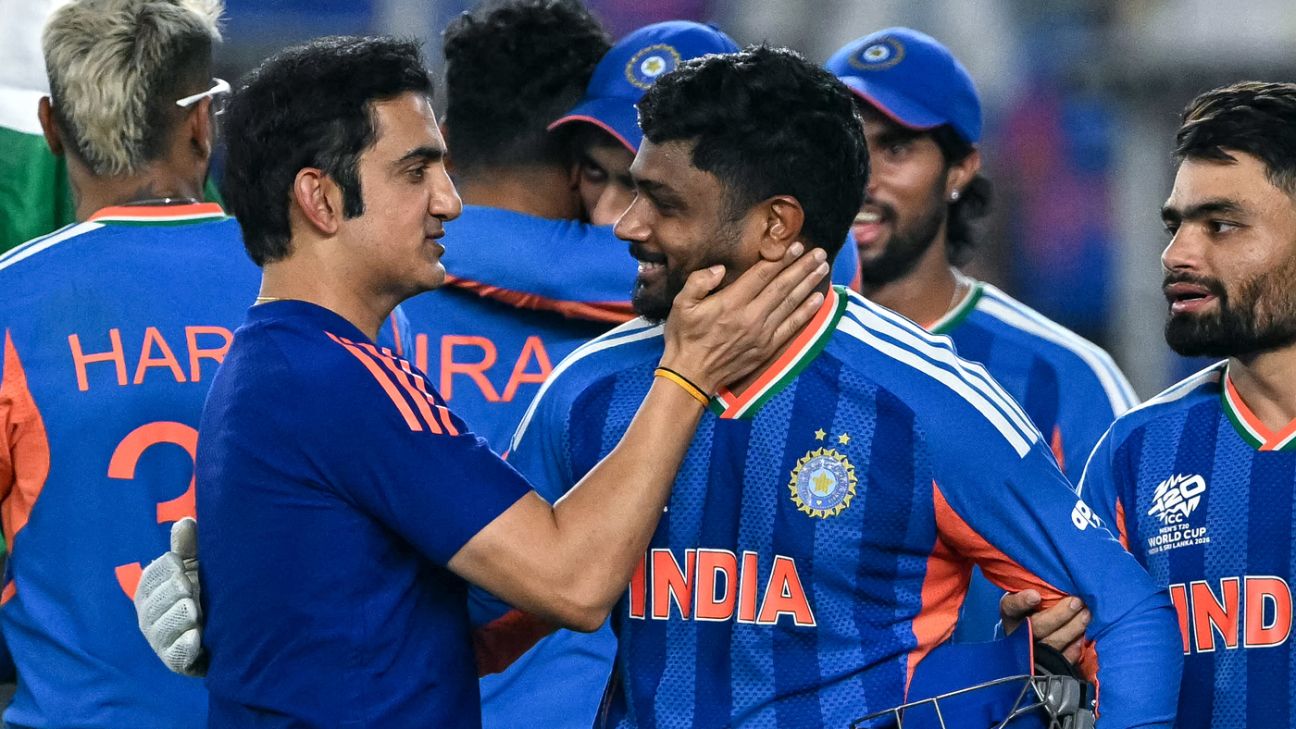
Sanju Samson, number one in a field of one
4 hours ago