
FIFA World Cup 2026 sponsorship: Will Brits notice, and where?
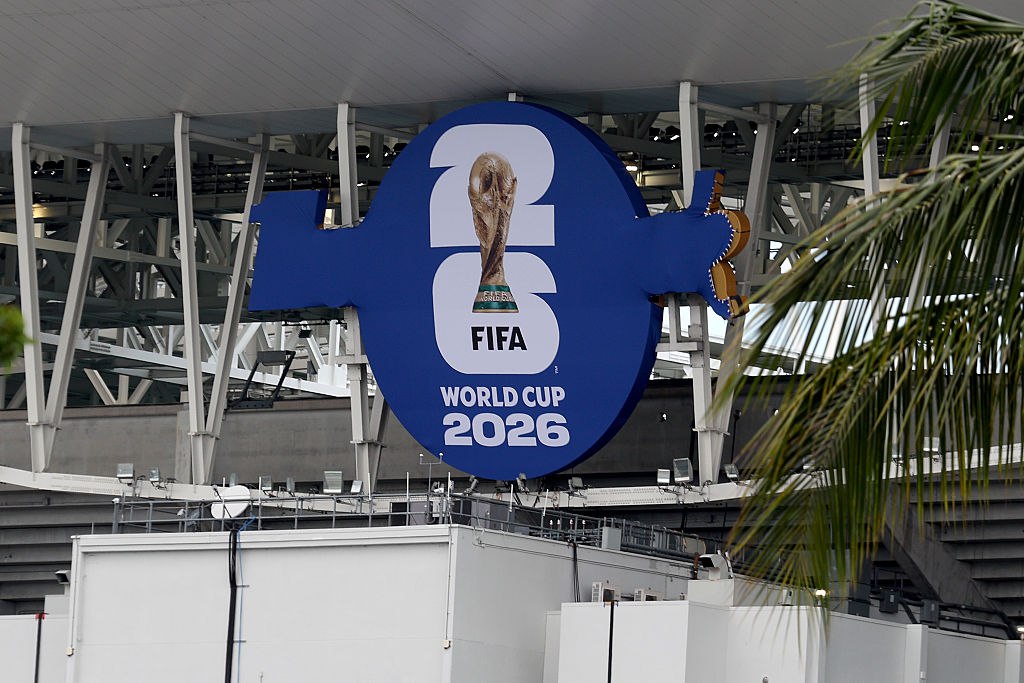
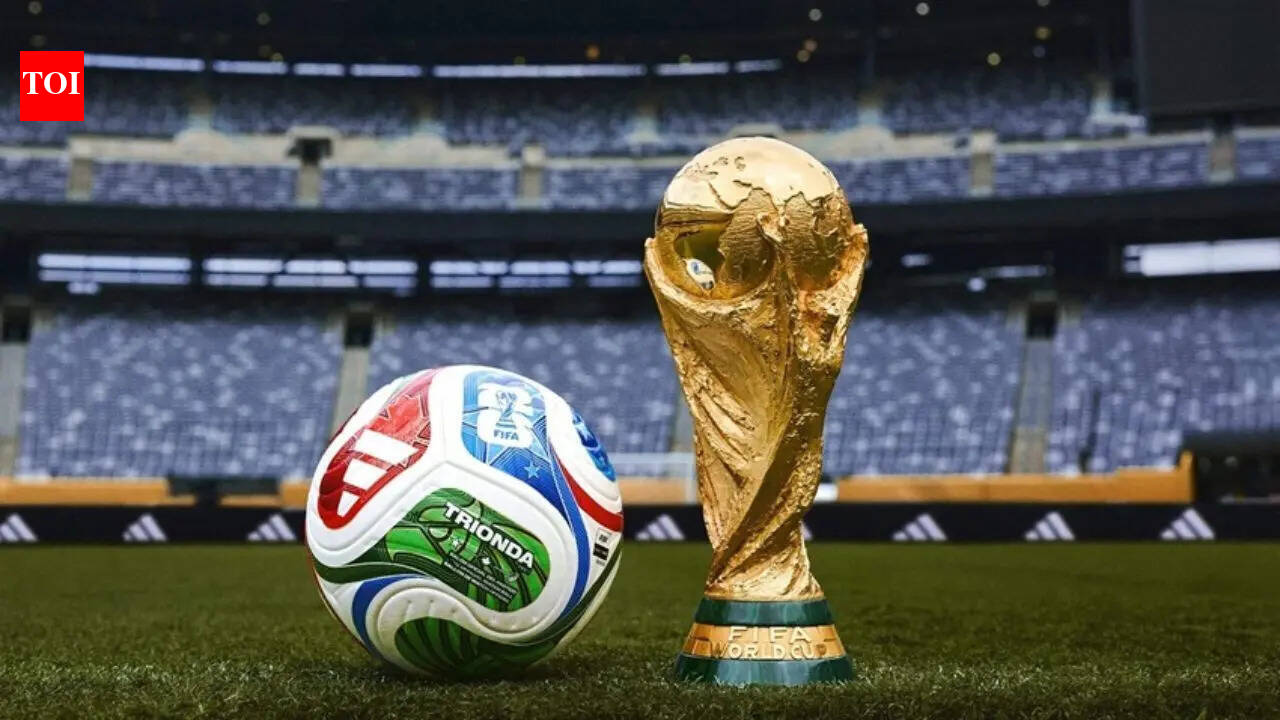
The FIFA World Cup 2026 gives sponsors a sizeable audience to target in Britain. New YouGov data shows that more than a third of British adults actively follow football, with 35% saying they watch or follow the sport regularly. Interest in the tournament itself is also substantial: 38% of British adults say they are likely to follow the 2026 FIFA World Cup.For sponsors, that creates a significant reach. But how does that reach translate into sponsor attention and consumer action?This article takes a closer look at how FIFA World Cup sponsorship lands with British audiences — who notices sponsors, where they recall seeing them, and how sponsorship shapes brand response. The analysis draws on data from YouGov’s recently published FIFA World Cup 2026 global brand handbook.Among all Britons, just under a fifth say the FIFA World Cup feels like the most impactful event in terms of sponsorship (17%). But that topline only tells part of the story. Among younger British adults, the World Cup is much more competitive with other major sporting properties, with a quarter saying FIFA World Cup sponsorship feels most impactful — close to the share who say the same of the Olympics (25% vs. 27%).For brands, that points to a clear opportunity: the World Cup is not just a mass-reach sporting event in Britain, but one with particular sponsorship resonance among younger fans.Younger British FIFA World Cup fans are more likely to notice sponsorsAwareness is the first step in any sponsorship strategy, and nearly three in ten British World Cup followers say they notice tournament sponsors (29%). That figure rises sharply among younger audiences: nearly half of 18-to-34-year-old followers say they notice the brands and companies that sponsor the FIFA World Cup (45%).Overall, 17% of British World Cup followers say a brand’s involvement with the tournament makes them feel more positively towards that brand, while only 5% say it makes them feel more negatively. Most followers say sponsorship does not change their opinion either way. Again, younger fans are more responsive, with 31% of 18-to-34-year-old followers feeling more positively toward World Cup sponsors.TV and social media lead FIFA World Cup sponsor recall in BritainWhen British World Cup followers are asked to recall where they have noticed sponsor branding, TV remains the leading channel. A quarter say they recall sponsor branding through TV broadcasts or commercials (25%), ahead of social media (15%), online or digital ads (8%), in-store promotions (7%), out-of-home ads or billboards (6%), and radio or podcast ads (5%).But the channel mix varies by age. Among 18-to-34-year-old followers, social media slightly leads TV as a sponsor recall channel (28% vs. 25%). Younger followers are also more likely than older groups to recall sponsor branding through online or digital ads (12%) and radio or podcast ads (10%).Among followers aged 35-54, TV is the leading source of sponsor recall (27%), followed by social media (14%) and online or digital ads (10%). For those aged 55 and older, TV is again the top channel (22%), while social media recall falls to 5%.On the whole, TV remains important, but social and digital channels appear especially valuable for reaching younger fans around the tournament.How British FIFA World Cup followers respond to sponsor activitySponsor attention can also translate into consumer action. Among British World Cup followers, the most common action linked to FIFA World Cup sponsorship is talking about a brand with others (13%). Smaller but still meaningful shares say sponsorship has influenced them to purchase or try a brand for the first time (8%), participate in a sponsor promotion or contest (7%), choose a brand over a competitor (7%), or pay more for a brand (4%).
.png)
.jpg?w=3800&h=2000)

Most Popular




Or Blorian named to Israel Men’s National Team
3 hours ago
TEAM: Four changes for Richmond
6 hours ago