
‘From the ground up’ - How Black Country volunteers are tackling the highest levels of inactivity in England
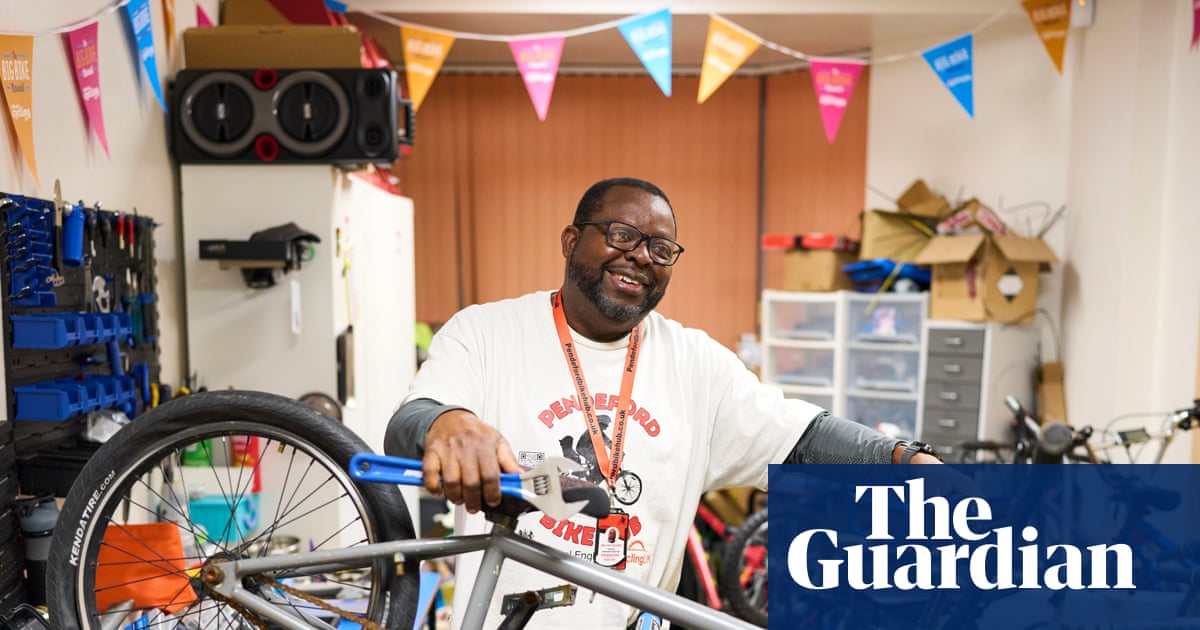
“Being in nature and among the trees, getting some nice air and oxygen and exercise, that’s what clears the mind,” says Kelvin Gilkes, the human dynamo behind the Pendeford Community Bike Hub.A place where he fixes old and abandoned bicycles and helps people ride them, Kelvin also hopes his hub can expand horizons. “I’ve got one lady who has ADHD and she’s a big woman,” he says. “When she comes back from a ride, she’s so tired, she’s like: ‘Oh, my legs hurt.’ But she also says: ‘Oh, I slept really good.’ I know it’s difficult for people to come from a stressful world and just do something calm and peaceful. But I tell her it ain’t gonna hurt that bad if you keep going and going.”Gilkes, who came to the UK from Barbados in 2007, is talking at the end of a long day in a draughty function room in the Seventh-Day Adventist church in Pendeford, on the outskirts of Wolverhampton. It’s from here he runs the hub, thanks to support from the church, and it’s among the local community that he spreads the gospel of activity on two wheels. “What I say to people is that we’re going to help you to get off your couch or not being able to move around independently. Not everybody can afford a car, but a bike is affordable. And to be honest, Wolverhampton is a bike-friendly city. You can really get around.”A volunteer making a difference in his community, Gilkes is a local evangelist for the power of movement and physical activity. The same can be said of Tracy Tromans, who leads a weekly walking group through the Leasowes park in Halesowen, persuading and sometimes gently coercing people who struggle to leave their home to get out and get moving. The group goes out “literally every week, rain or shine” and if you don’t want to go “I’ll force you”, she says, but the values that underpin everything are those of “friendship and being aware of everybody’s limitations”.The country needs more people like Gilkes and Tromans, and the Black Country especially so. The slightly amorphous zone that takes in Wolverhampton and the administrative districts of Sandwell, Walsall and Dudley, the Black Country earned its name thanks to its role in the Industrial Revolution, but is now better understood by most as the part of the West Midlands that isn’t Birmingham. With 1.2 million residents, it is also one of the poorest parts of England today and, by a shocking degree, the least active.According to data from Sport England, the West Midlands is the region with the highest share of physically inactive adults in the country, at 28.4%. Drill into data relating to the Black Country and the figures become more stark: Dudley has 31.1% of adults inactive, Wolverhampton 34%. Over a third of people in Walsall are inactive, at 35.5%, and in Sandwell the figure is 37.6%, an astonishing 12.5% higher than the national average. Each of the four districts has seen these figures rise over the past decade.This is not a problem unknown to people in the Black Country, neither are the opportunities that might come from fixing it. “We know that there’s lots of benefits to being more physically active,” says Nadia Inglis, the director of public health for Walsall. “Even small increases in physical activity can have huge benefits to physical health. So we know that if you’re more physically active regularly, it lowers your risk of chronic conditions, it improves your muscle and bone health. There are huge mental wellbeing and mental health impacts as well, both short-term and longer-term. If you have more physically active populations, if you’re reducing their risk of chronic conditions, it reduces healthcare costs, but also creates a wider economic benefit.”The costs of inactivity and the benefits that can be gained from physical movement are not new messages. Many of us have tuned into them in our personal lives and it can feel like the broader culture is replete with calls to activity or examples of people being their best selves. But the barriers to becoming active can be as varied as the people who come up against them. Generating widespread change in an age of limited money and increasing isolation is also tough. So how do you bring it about? This is a question that is occupying the minds of a growing number of people and in the case of Rachel Smith, the answer involved buying Nerf guns.“If you asked us two years ago if we would end up running a Nerf club, it would probably be like: ‘What are you on about?’” says Smith, who leads the Health Improvement and Community Sport programmes for the Wolves Foundation, the charitable arm of the Premier League football club. “But we’re targeting children that probably aren’t active at the moment or maybe have some additional barriers around activity, and we’re trying to ease them in. This is the kind of activity that has the benefits of physical activity without the children thinking they will be running around on a football pitch for an hour at a time. I don’t know if you’ve ever played with Nerf guns, but the competitive element does seem to come out.”Smith admits to iterating a lot in the 18 months since the Foundation’s “Yo Active” programme began. “I think we were maybe a little bit naive thinking we could put on some free sessions and loads of kids were just going to turn up. It didn’t work like that”. Instead it seemed there were barriers to action everywhere: from persuading parents from different communities that the activity was right for their children, to persuading the young people themselves that the activities involved would be neither overwhelming nor embarrassing. But after organising the sessions, marketing them via Facebook, adjusting the programme and engaging with parents and children on issues from the online booking system to keeping costs down (“quite a high proportion of families said they wouldn’t be able to continue if it was a paid activity”, says Smith), the programme has established itself. 500 children attended sessions during the October half term last year “Maybe that’s where some of those non-traditional activities come in again,” Smith says. “It shows it doesn’t have to be scary.”Premier League and EFL football clubs, like churches, mosques or synagogues, can be vital partners in delivering much needed facilities and activities to communities. But in an age of declining public resources, joining up the dots is still a distinct challenge. Since 2017, Sport England have funded a network of “place based” Active Partnerships to help improve physical activity in places where it is scarce. Active Partnerships, which include the organisation Active Black Country, are founded on the idea that “where a person lives and the environment around them has a huge impact on how likely they are to be physically active”. The chief executive of Sport England, Simon Hayes, says turn “local insight into community action from the ground up – which then translates into national impact”.Tromans’s group is one of the schemes supported by Active Black Country, and it in turn is helping to make the Leasowes more accessible. A park 57 hectares in size, its gardens were a recommended part of the Grand Tour of Europe in the 18th century. Now hemmed in by a lattice of A-roads it is almost a gem hidden even to locals. Tromans wants to unlock that space for herself and others, with members of the group fundraising to make the park more welcoming, focusing on the addition of that essential ingredient for mass physical activity, the public toilet.The more welcoming the park or the project, the more people there are. The more people there are, the more support there is for those who might be curious, the more the curious become the engaged, the more the word spreads. The Black Country is facing as tough a task as any part of the country in taking on the problem of inactivity, and these are small steps in the face of a big challenge. But in an age where change is hard-won and impetus has to be found within communities themselves, a sense of momentum, and ownership, is palpable too. “I think of all the years I used to walk over here as a little girl with my dog, rushing round before school,” Tromans says. “I’d be watching where I was going, but I never really looked up. Then when you stop and you look up at all the colours and you realise how beautiful it is, and it’s free.”



Most Popular
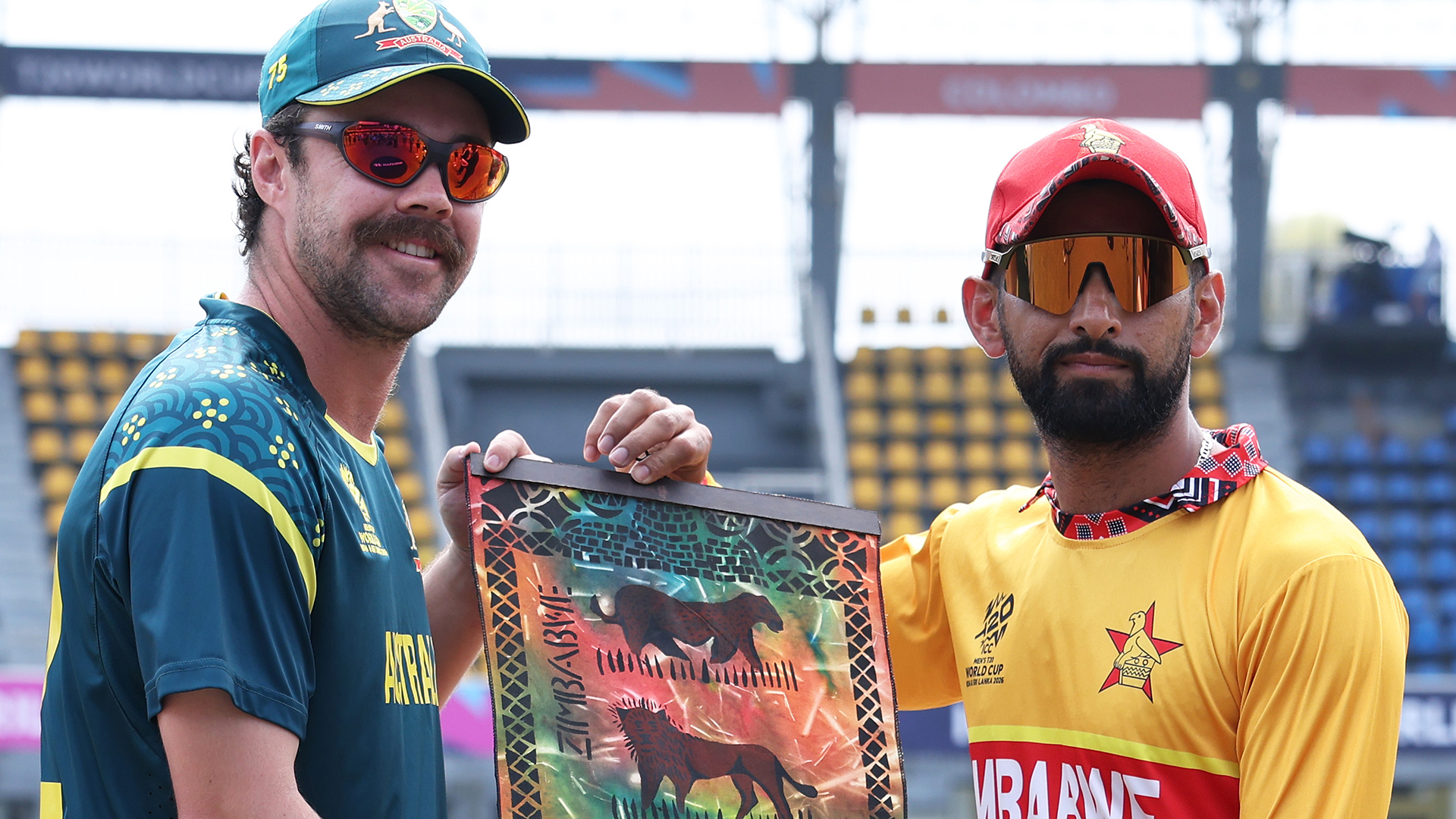
Australia set to renew Zimbabwe rivalry with ODI tour
52 minutes ago


1 in Charleston comeback, first win in 8 months
11 hours ago


Solorzano Named MIAA/GAC South Athlete of the Week
11 hours ago


Redbirds Top Bulldogs 5-2 in Road Matchup
11 hours ago
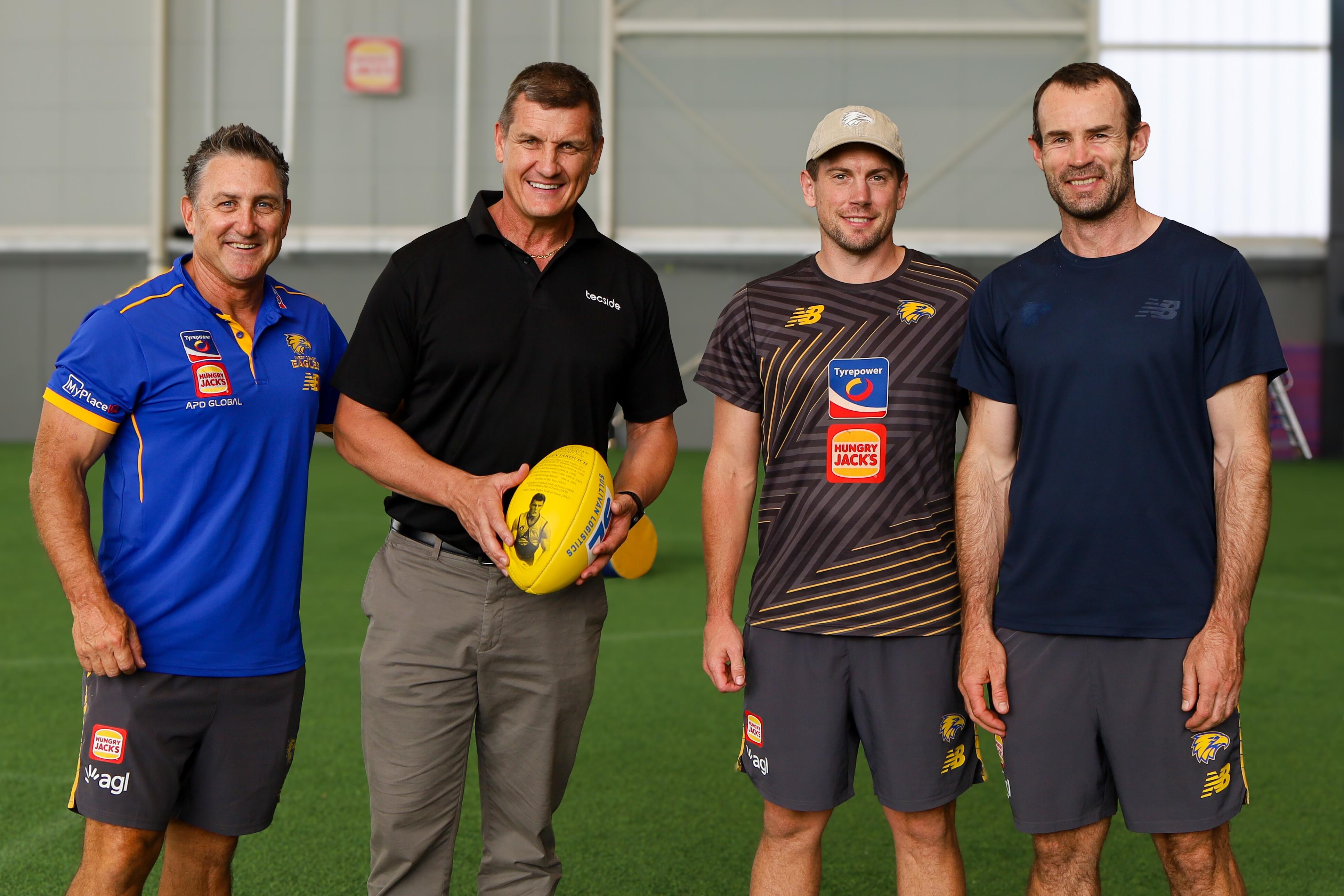
Jakovich named WAFL Eagles Ball Legend
11 hours ago