Andreeva’s French Open triumph shows value of Martínez and women coaches
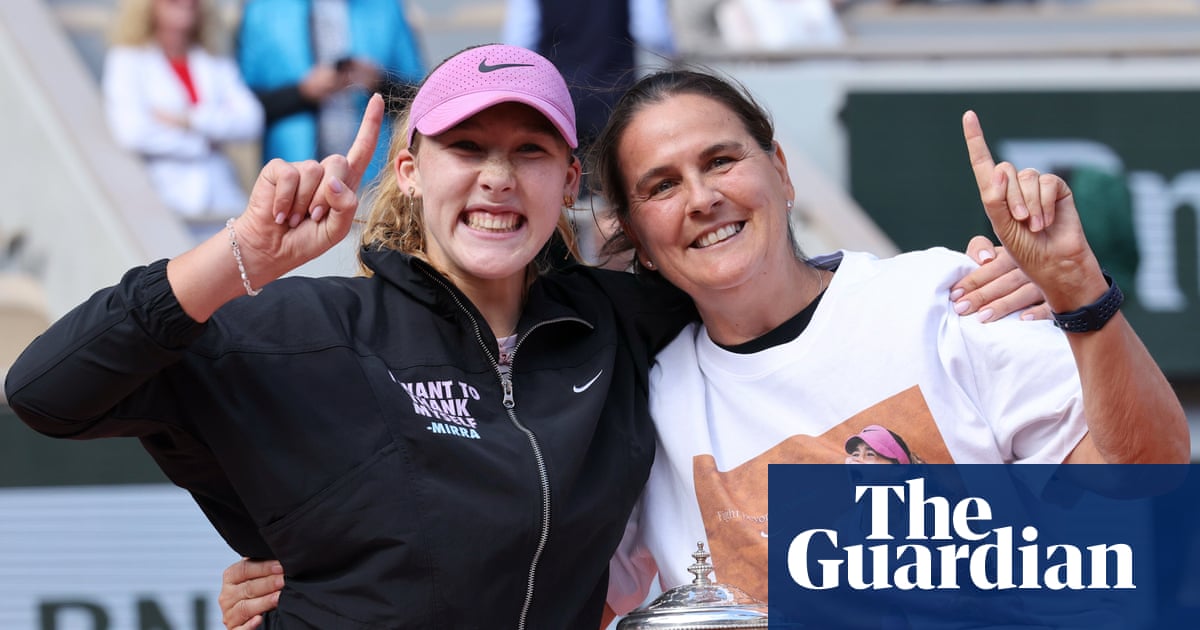
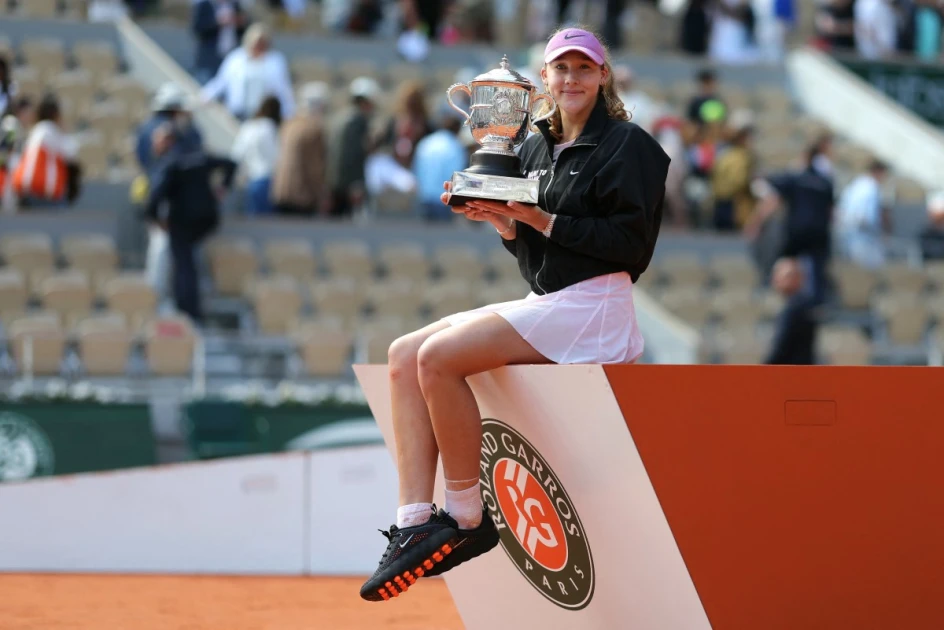
Conchita Martínez was in the middle of her account of her charge’s run to a first grand-slam title when she was rudely interrupted by a late arrival. Pursued by the rest of her team, tournament officials and a gloved staff member carrying the Coupe Suzanne-Lenglen, Mirra Andreeva entered the main interview room with the sole objective of causing mischief.She interjected with a question. “What is the best thing about working with Mirra Andreeva?” the new French Open champion asked. When Martínez responded by explaining that she most values playing Uno against Andreeva and always winning, the 19-year-old raised her eyebrows and moved towards the exit. “That’s it? Have fun,” she said, smiling. As Andreeva left the room, Martínez wondered aloud if she had just been fired.In many ways that playful interaction between player and coach revealed more than their interview answers ever could. From the start of their partnership in 2024, the rapport with Martínez has been one of the focal points of Andreeva’s rise. They have clearly been very comfortable around each other from the beginning, each rarely missing an opportunity to banter with the other in public.Such a lighthearted atmosphere seems to be important to Andreeva. Although her determination is what has driven her to such great success at such a young age, it has also been one of her biggest vulnerabilities. Her emotions have frequently got the better of her during her career and she has sometimes struggled to maintain composure under pressure.Before Andreeva entered the room Martínez explained that, despite their great relationship, they have had plenty of challenging days on the practice court. “Her attitude is difficult,” said the Spaniard. “You tell her something and maybe she’s not open to listening and stuff like that. That is a little bit difficult, because when she works hard and when she listens and she does everything, she has no limits.”Martínez is incredibly qualified to nurture the career of one of the most talented teenagers to emerge in recent decades. By total coincidence, after beating Maja Chwalinska in straight sets, Andreeva was handed her French Open trophy on Court Philippe-Chatrier by Mary Pierce, who Martínez lost to in the final at Roland Garros in 2000. “She always knows what to say at the right time,” Andreeva said. “She knows what I’m going through. She can also feel when I’m nervous, even when I don’t know that I’m nervous.”Amid all the chaos and drama in both draws, this year’s French Open has strongly underlined the importance of female coaches. There are still too few on the tour, especially given their ability to find compatibility and understanding with their players, while travelling with them around the world and spending hours with them every day, in ways that male coaches cannot.Andreeva had reached the final by ending Marta Kostyuk’s 17-match winning streak with an emphatic straight sets win. Still, Kostyuk was the second-best performer in the tournament in terms of her level of play and the opponents she defeated, taking out Iga Swiatek, the Polish four-time champion and third seed, as well as her in-form Ukrainian compatriot Elina Svitolina, the seventh seed.Kostyuk has also been guided to new heights by a female coach, Sandra Zaniewska. As with Andreeva and Martínez, a strong, playful rapport is the basis of their success. Kostyuk explained how their first trial week together three years ago underlined the strength of their enduring partnership. “That practice week, I was crying on the practice every single day. She [Zaniewska] didn’t say one word about it, when all the coaches that I worked with before would flip after second practice, and they wouldn’t let me do anything,” said the 23-year-old. “They would tell me that I have to change, that this is not how it’s going to work. They would really just flip.“I was very surprised with how composed and calm she was when I had this storm happening in my head. She let me be who I am. I was feeling very, very comfortable. I think it was probably the first time in my life that I felt comfortable with a coach. Like, truly as a human, you know? Not as a tennis player. So this is the reason I think why we kept working.”

Most Popular